

Blog
How to Identify Bed Bug Bites and Act Fast
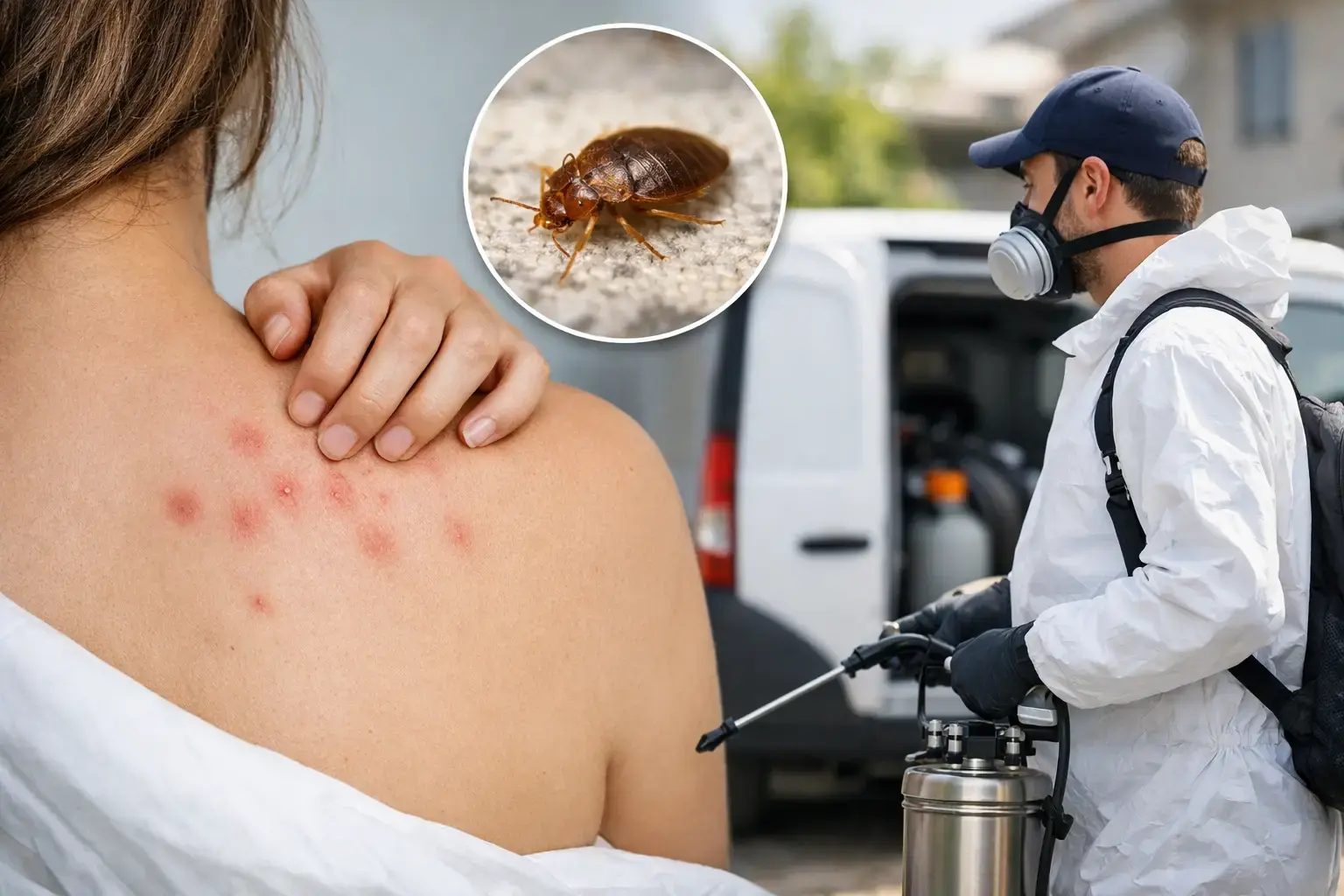
You wake up with itchy marks on your arm, shoulder or ankle, and the first question is usually the same: could this be bed bugs? Knowing how to identify bed bug bites can help you act quickly, but bites alone are not enough to confirm an infestation. Many common skin reactions look similar, so the most reliable answer comes from matching bite patterns with physical evidence around the bed.
What bed bug bites usually look and feel like
Bed bug bites often appear as small, red, raised bumps. They can be intensely itchy, mildly irritating or, in some people, barely noticeable at all. Reactions vary significantly, even between people sleeping in the same room. One person may develop obvious welts while another has no visible marks.
The bites are commonly found on exposed areas of skin, including the face, neck, hands, arms, shoulders and lower legs. Bed bugs tend to feed while people are asleep, so marks may be noticed in the morning, although the reaction itself can take hours or even days to appear.
A useful clue is the pattern. Bites may occur in a loose line, a zig-zag, or small clusters of two or three. This is sometimes described as the “breakfast, lunch and dinner” pattern, but it is not a rule. Bed bugs do not always bite in neat rows, and other insects can create clustered marks too.
How to identify bed bug bites from their pattern
Start by looking at where and when the bites appear. New itchy marks that develop after sleeping, especially on skin not covered by nightwear, deserve a closer look. If several people in the property have similar bites after using the same bedroom, that increases the likelihood of a pest issue.
However, do not rely on appearance alone. Flea bites are often concentrated around ankles and lower legs, particularly where pets are present. Mosquito bites can be larger and more isolated. Eczema, heat rash, contact dermatitis and reactions to washing products can also cause red, itchy patches.
Bed bug bites are more likely where there is a repeated pattern: fresh marks appear after sleeping in a particular room, existing bites become more noticeable over several days, and there are signs of insects in or around the bed. If the marks stop when you sleep elsewhere, that is another reason to investigate the original room carefully.
Bite timing can be misleading
It is tempting to assume that a bite noticed at breakfast happened overnight. In reality, some people react immediately while others do not react for several days. This delay can make it difficult to work out where exposure occurred.
For that reason, a single unexplained bite does not prove bed bugs. Repeated bites combined with evidence in the room are far more meaningful than timing alone.
Check for evidence around the bed
Bed bugs are small, flat insects that hide close to where people sleep. Adults are reddish-brown, oval and around the size of an apple seed. Young bed bugs are smaller and paler. They avoid light and are excellent at hiding in narrow cracks, so a quick glance at the mattress is rarely enough.
Inspect the bed methodically using a torch. Pay particular attention to mattress seams, piping, labels and handles, then check the bed frame, headboard, divan base, joints, screw holes and cracks in nearby furniture. Look at skirting boards, bedside tables, curtain folds and behind loose wallpaper or pictures if the room has been affected for some time.
The clearest warning signs are usually:
- Small black or dark brown spots on mattress seams, bedding, bed frames or walls. These may be bed bug droppings.
- Pale shed skins, particularly around mattress edges, headboards and furniture joints.
- Tiny white eggs or eggshells tucked into cracks and crevices.
- Live bed bugs, though seeing one is not always easy in an early infestation.
- Small blood spots on sheets or pillowcases, caused when a recently fed bug is disturbed.
A sweet, musty odour can occur in a larger infestation, but smell is not a dependable early warning sign. It is better to inspect for physical evidence than wait for an odour to develop.
Common mistakes when checking for bed bugs
The biggest mistake is throwing out a mattress before the source has been confirmed. Bed bugs may be living in the frame, headboard, furniture, wall gaps or adjacent rooms. Removing one item can spread insects through the property and makes a professional inspection more difficult.
Another common mistake is using household insect sprays or foggers without a treatment plan. These products often fail to reach hidden harbourages. They can also disturb the bugs and push them deeper into cracks, neighbouring rooms or adjoining flats. A few days without bites after spraying does not mean the problem has gone.
Do not move bedding, clothing or furniture from a suspected room into another room without sealing and treating it appropriately. Bed bugs are easily transported in bags, laundry baskets and soft furnishings. Containment matters while the issue is being assessed.
What to do if you think you have bed bugs
If you suspect bed bugs, keep calm and gather useful evidence. Take clear photographs of any marks on bedding, insects, shed skins or spotting. If you find an insect, place it in a sealed container or clear bag where possible. Accurate identification prevents time and money being spent treating the wrong pest.
Wash bedding, sleepwear and affected fabrics on the hottest temperature the care label allows, then dry thoroughly on a high heat setting if suitable for the item. Place clean items in sealed bags or containers until the room has been treated. Vacuuming mattress seams, bed frames and surrounding edges can remove some insects and debris, but empty the vacuum outside immediately into a sealed bag.
Avoid sleeping in another bedroom unless advised as part of a treatment plan. Moving rooms can give bed bugs a new food source and allow the infestation to spread. It may feel counterintuitive, but keeping activity contained is often the more practical option.
For homeowners, landlords and property managers, early professional inspection is the sensible next step. Bed bugs are difficult to eliminate because eggs and hidden insects can survive an incomplete treatment. A proper survey identifies the extent of the activity and allows treatment to target harbourages rather than simply the visible mattress.
AZ Environmental Service Pest Control provides discreet bed bug inspections and tailored treatment programmes across Stockport and the surrounding area. Unmarked vehicles and a structured approach help protect privacy while resolving the cause of the problem.
When to seek medical advice
Most bed bug bites can be managed with basic skin care. Try not to scratch, as broken skin can become infected. A pharmacist can advise on suitable products for itching and irritation, particularly for children or anyone with sensitive skin.
Seek medical advice if bites become painful, very swollen, hot, weeping or show signs of infection. Urgent help is needed for breathing difficulties, swelling of the lips or face, dizziness or a severe allergic reaction. These reactions are uncommon, but they should never be ignored.
It is also worth speaking to a healthcare professional if an unexplained rash persists or spreads. A pest professional can identify evidence of bed bugs in the property, but they cannot diagnose a skin condition.
A quick check is better than a long wait
Bed bug activity rarely resolves by itself. The sooner the source is identified, the easier it is to contain and treat before insects spread through bedrooms, furniture or neighbouring properties. If itchy marks are appearing repeatedly and you find even one clear sign near the bed, arrange a proper inspection and deal with the cause, not just the bites.