

Blog
A Practical Guide to Stockport Pest Control
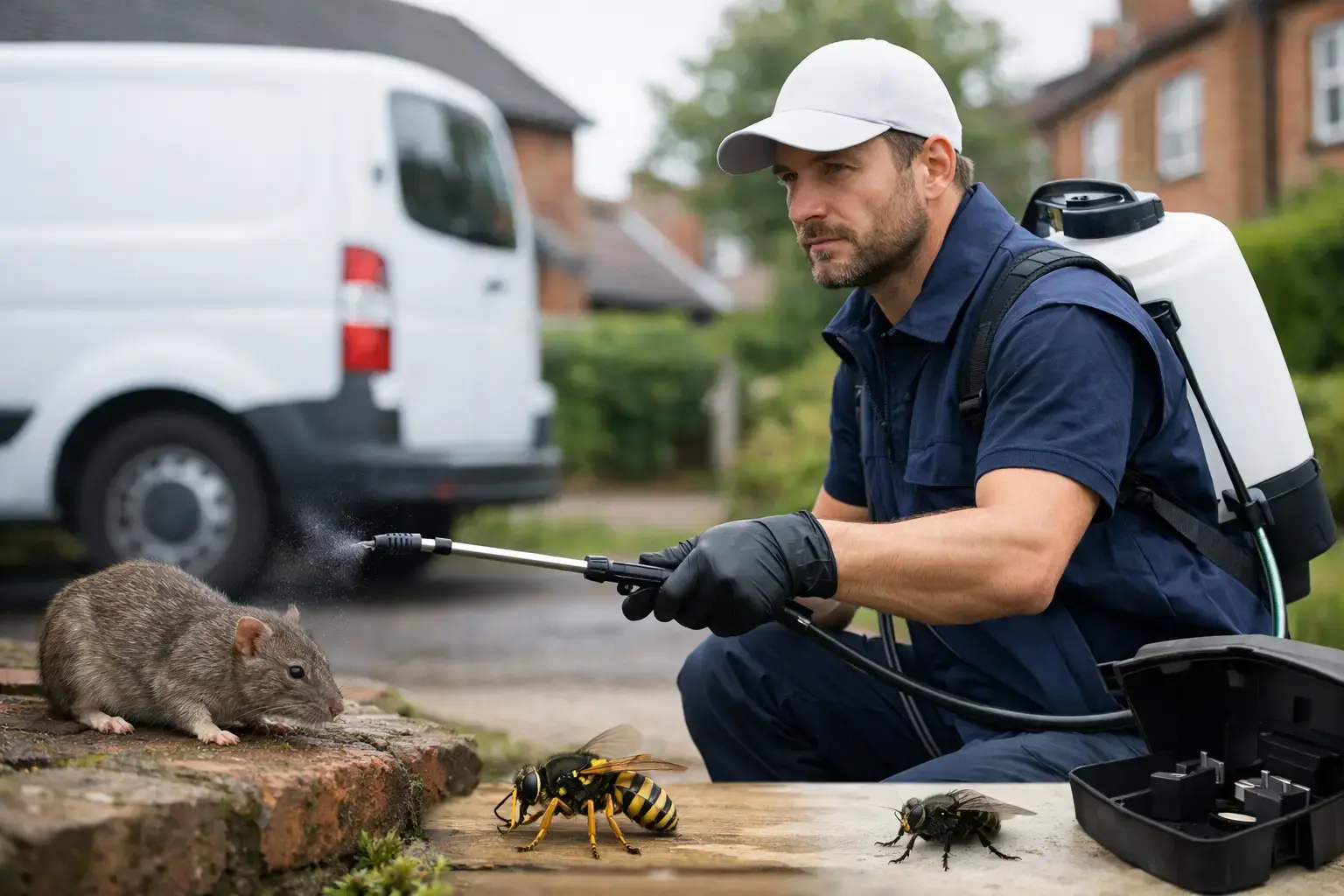
A scratching sound in the loft at 2am, wasps appearing around the eaves, droppings in a stockroom before opening time - pest problems rarely arrive at a convenient moment. This guide to Stockport pest control is built for homeowners, landlords and businesses that need a clear view of what is happening, what action to take and how to stop the problem returning.
Pest control is rarely just about removing what you can see. The real issue is usually access, harbourage, food sources and breeding conditions. If those are missed, the infestation often returns, and that is where many properties lose time, money and patience.
What good Stockport pest control should actually cover
Effective pest control starts with correct identification. Rats, mice, cluster flies, bed bugs, fleas, moths, cockroaches, ants, squirrels and wasps all behave differently, and treatments that work for one problem can be ineffective or inappropriate for another. A quick spray or trap might give the impression of action, but unless the root cause is dealt with, it can become a short-term fix.
A proper service should begin with a survey of the affected area and, where needed, surrounding spaces such as lofts, basements, bin stores, roof voids, service ducts and external boundaries. In domestic properties, that might reveal how rodents are getting in under kitchen units or through broken air bricks. In commercial sites, it may highlight gaps around loading bays, drainage issues or staff practices that are encouraging repeat activity.
Treatment should then be tailored to the pest, the scale of infestation and the risk level of the property. A family home, a food site and a managed block all require different control measures. The strongest pest control plans are practical, proportionate and designed to resolve the issue without creating unnecessary disruption.
A guide to Stockport pest control for common local problems
Rodents remain one of the most common concerns across residential and commercial properties. Rats are often linked to drains, external harbourage, bird feeding and waste areas, while mice can enter through surprisingly small gaps and settle behind appliances, in loft insulation and inside wall cavities. If you are hearing movement at night, noticing gnaw marks or finding droppings, speed matters. Rodents breed quickly and can damage wiring, insulation and stored goods.
Wasps are a different type of problem. During warmer months, a small amount of activity can escalate very quickly once a nest becomes established. Loft spaces, soffits, sheds and wall cavities are all common locations. The risk is not only nuisance - it is also the danger posed to children, staff, customers and anyone with a sting allergy. Nest removal needs to be handled professionally and with the right equipment.
Bird activity can become a serious issue for commercial premises, public-facing buildings and some residential blocks. Nesting, fouling and roosting can damage surfaces, create slip hazards and affect hygiene standards. In these cases, the answer is often long-term deterrence and proofing rather than repeated reactive visits.
Insects inside the property need careful assessment because the visible signs are often only part of the problem. Bed bugs, fleas and clothes moths require accurate identification and a treatment programme that matches the life cycle of the pest. With ants, cockroaches and stored product pests, sanitation, structural issues and hidden breeding points all need to be considered alongside treatment.
Why infestations keep coming back
If a pest problem has been treated before and returned, that usually points to an incomplete solution rather than bad luck. The most common causes are missed entry points, poor proofing, untreated harbourage areas and lack of follow-up. In some cases, the wrong pest has been identified, so the treatment was never likely to work properly.
There is also a difference between killing active pests and solving the conditions that support them. For example, removing a wasp nest solves the immediate threat, but repeated seasonal issues may suggest structural features that make the property attractive for nesting. Treating rodents without addressing drain defects, gaps around pipework or unmanaged waste storage often leads to the same callout weeks later.
This is why prevention matters as much as treatment. The right contractor should not only deal with current activity but also show you where the risk is coming from and what needs to change.
How to choose the right pest control response
The right response depends on severity, location and the type of property involved. A single wasp nest at a house is very different from ongoing rodent activity in a food business or repeated bird issues at a warehouse. One-off treatment can be enough for some problems, but recurring or high-risk sites usually need a wider plan.
For homeowners, the priority is usually fast relief, safety and confidence that the problem will not reappear next month. That means identifying the pest correctly, treating it thoroughly and carrying out practical proofing where needed. Discreet attendance also matters to many households, particularly in built-up residential areas.
For landlords and property managers, there is often an extra layer of responsibility. You need a service that is reliable, documented and realistic about timescales. In multi-occupancy buildings, pest activity can spread between units or persist because of shared voids, waste handling or access points that affect the whole structure.
For commercial operators, pest control is part of risk management. Hygiene, compliance, reputation and continuity all come into play. In those settings, the right provider should be able to deliver both immediate treatment and an ongoing programme that includes monitoring, reporting and prevention.
The value of proofing and monitoring
Any genuine guide to Stockport pest control has to include proofing, because treatment alone is only half the job. Proofing means physically reducing the opportunity for pests to enter, nest or feed. That may involve sealing gaps, fitting mesh, improving door protection, addressing damaged vents or making changes to waste storage and housekeeping.
Monitoring is equally important on commercial sites and in locations with a history of repeat activity. Modern systems can provide a far clearer picture of pest pressure than occasional visual checks alone. That matters when you need evidence, quick response and a reliable record of what is happening on site.
There is a balance to strike here. Not every house needs a long-term monitoring contract, and not every business needs the same level of intervention. The best approach is the one that fits the risk, not the one that adds unnecessary cost.
What to expect from a professional visit
A professional visit should feel clear and controlled from the outset. You should expect questions about where the pest has been seen, when activity started, whether the issue is getting worse and what signs have been found. From there, the inspection should focus on likely access points, nesting or harbourage areas, contributing factors and any health or safety concerns.
You should also expect honest advice. Some infestations can be dealt with quickly. Others require more than one visit, particularly where breeding cycles are involved or where access is difficult. A dependable pest control service will explain that plainly rather than offering a vague promise.
Where the situation calls for specialist access, higher-level inspections or difficult-to-view roof areas, more advanced survey methods can be valuable. This is especially relevant for larger premises and buildings where traditional inspection alone may miss key findings.
When speed matters most
There are times when pest control should not be delayed. Rodent activity in kitchens, food areas or children’s spaces needs urgent action. Wasp nests near entrances, schools, gardens or work areas can become a safety issue very quickly. Bird fouling in commercial settings can create both hygiene and reputational problems. Bed bug and flea activity can spread if left unchecked.
Even when the signs seem minor, waiting often makes the solution more complex. Early intervention is usually more straightforward, less disruptive and more cost-effective than dealing with a well-established infestation.
Working with a local specialist
Local knowledge helps, particularly when dealing with common property types, seasonal trends and the practical realities of sites across Stockport and surrounding areas. A family-run specialist with technical expertise can often offer a more direct, accountable service than a generic call-centre model, especially when discretion, follow-up and problem solving matter.
AZ Environmental Service Pest Control takes that approach seriously, with tailored treatment plans, discreet attendance and a focus on resolving the underlying cause rather than masking the symptoms. For customers who have already tried basic measures without success, that difference matters.
The right pest control service should leave you with more than a treated property. You should have a clear understanding of what caused the issue, what has been done to resolve it and what steps will reduce the chance of it happening again. That is what turns a callout into a lasting solution, and it is the standard worth expecting.