

Blog
A Practical Guide to Pest Proofing Homes
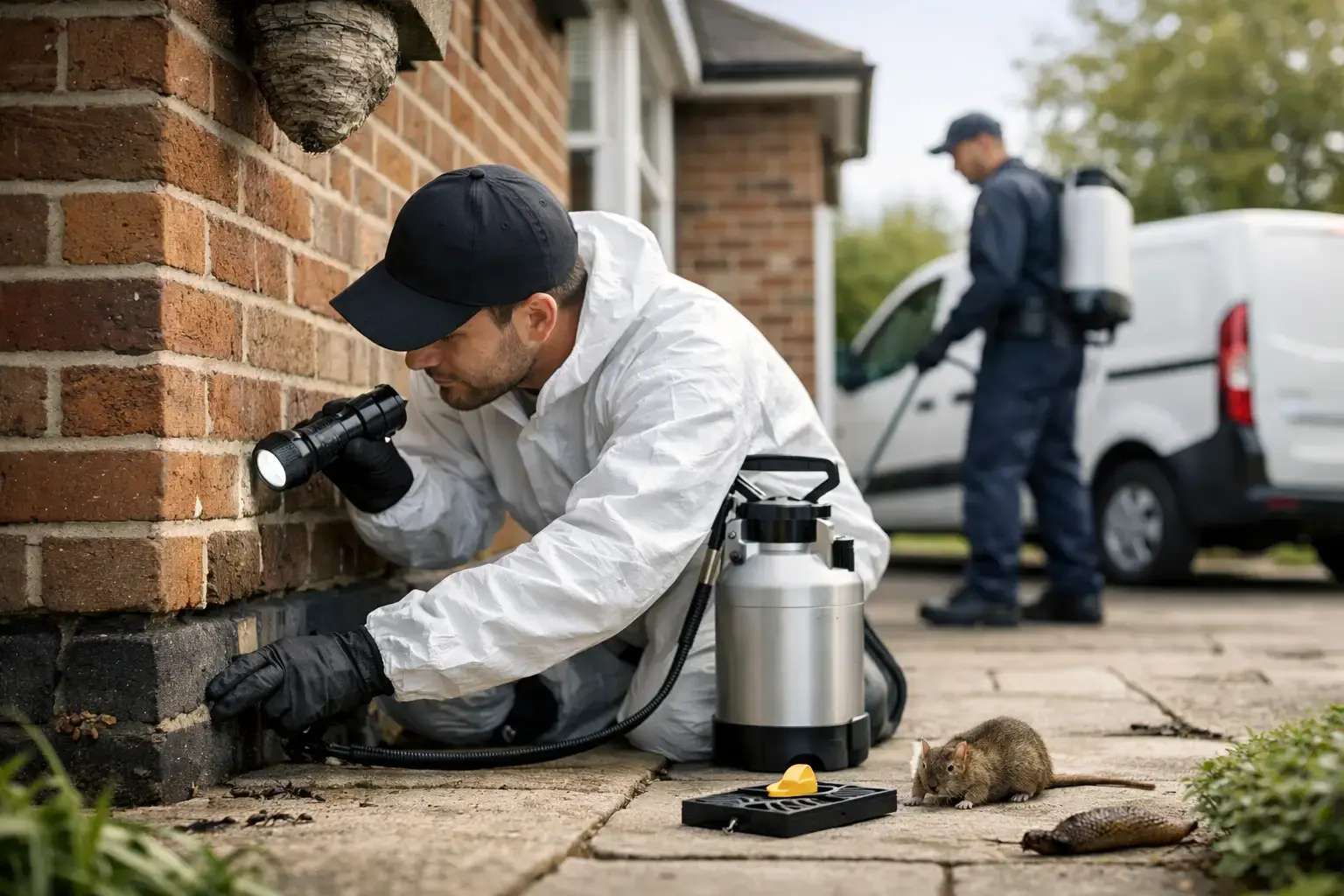
You usually spot the problem after the pest has already settled in - scratching in the loft, droppings in a cupboard, ants trailing along a skirting board or wasps finding a way into the roofline. A proper guide to pest proofing homes is not about reacting once that happens. It is about making the property harder to enter, less attractive to nest in and less likely to support repeat activity.
Pest proofing works best when it is practical, targeted and based on how pests actually behave. Mice do not need a large gap. Rats follow drainage defects, shelter and food sources. Cockroaches look for warmth, moisture and hidden harbourage. Wasps exploit small weaknesses around eaves and roof voids. If the access point stays open, treatment on its own may only buy time.
Why pest proofing matters
For homeowners, pest proofing protects the building as much as the people living in it. Rodents can damage insulation, wiring and stored items. Insects contaminate food areas and spread through adjoining rooms far faster than most people expect. Birds nesting on commercial premises can create hygiene issues, blocked gutters and slip hazards.
For landlords and businesses, the stakes are higher. Repeated pest activity can lead to tenant complaints, interrupted operations and avoidable repair costs. In food handling, hospitality, care and education settings, a small structural defect can become a compliance issue very quickly. Prevention is usually more cost-effective than repeated emergency callouts, but the exact approach depends on the type of premises, the age of the building and the pressure from surrounding land use.
A guide to pest proofing homes starts with inspection
The first step is not buying sealant and filling every gap you can see. Effective proofing starts with inspection, because sealing the wrong areas while leaving the real entry points untouched wastes time and money. In some cases, poor proofing can even trap pests inside the structure and make the issue worse.
Start outside and work methodically. Check air bricks, pipe entries, broken vents, damaged soffits, gaps beneath doors, lifted drain covers, cracked pointing and any area where cables or pipework enter the building. Look at the junctions where extensions meet older walls. Garages, conservatories and utility rooms often reveal weaknesses first because they are less insulated and less disturbed.
Inside, focus on kitchens, understairs cupboards, loft spaces, service risers and boxing around pipes. A visible gap behind a washing machine or under a fitted kitchen unit may not look serious, but to a mouse it can be a reliable route between nesting and feeding areas. Grease marks, rub marks, gnawing, droppings and shredded material all help identify active travel routes.
The most common weak points around a property
Most pest access is not dramatic. It tends to come down to ordinary defects that have been overlooked for months or years. Door thresholds that no longer sit flush, damaged air vents, broken drain covers and uncapped pipework are common examples.
Roof level defects are another frequent cause. Missing tiles, loose flashing, damaged soffits and open eaves can allow birds, wasps and rodents into loft voids. Once activity starts overhead, many property owners focus on the noise rather than the route of entry. The route is what matters.
Drainage should never be ignored. Rats in particular can exploit faults in underground drainage and emerge inside cavity walls, basements or lower ground floor voids. If there are repeated signs of rodent activity and no obvious external gaps, the drainage system may need to be investigated rather than guessed at.
Proofing for rodents
Rodent proofing needs precision. Mice can pass through gaps far smaller than most people expect, and rats will exploit defects at ground level, around drains and beneath outbuildings. Simply stuffing holes with expanding foam is rarely enough. If the material can be chewed or pushed through, it is not proper proofing.
Use durable materials suited to the defect. That may mean rodent mesh on vents, brush strips or metal kick plates on doors, cement-based repairs around service entries, or correctly fitted drain protection. The repair has to match the pest pressure and the location. A neat-looking seal that fails after a week is not a solution.
It is also important to deal with the reason rodents are staying. Accessible food, overflowing bins, bird feed, fallen fruit, cluttered sheds and overgrown boundaries all increase pressure. Proofing and housekeeping should work together. If one is missing, the result is weaker.
Lofts, kitchens and garages need special attention
Lofts offer warmth, quiet and nesting material. If the roofline has weak spots, rodents can settle in without being noticed for some time. Kitchens provide food, water and appliance heat, while garages often contain clutter, pet food and unsealed perimeter gaps. These areas deserve a closer inspection than most owners give them.
Pest proofing for insects and wasps
Insect proofing is less about large access points and more about reducing shelter, moisture and hidden harbourage. Small cracks around skirtings, boxing, cupboards and service penetrations allow crawling insects to spread unnoticed. Gaps around window frames and damaged insect screens can also increase activity.
Good maintenance matters here. Repair leaks promptly, improve ventilation in damp rooms and avoid allowing cardboard, textiles and stored goods to build up in neglected corners. In commercial settings, stock rotation, cleaning behind equipment and sealing service voids are all part of prevention.
Wasps are a separate issue because they often exploit roof-level defects and sheltered voids. A queen looking for a nesting site in spring only needs a small opening into a loft or wall cavity. Once a nest is active, trying to block the entrance immediately is the wrong move. That can force wasps into the property itself. Active nests should be dealt with properly first, then the structure should be proofed once the activity has ended.
Birds, bins and the outside environment
Pest proofing does not stop at the external wall. The wider environment around the property often explains why activity keeps returning. Overflowing bins, unsecured waste areas, dense ivy, stacked materials, standing water and neglected gutters all create shelter or food sources.
Bird activity can be especially persistent on commercial premises and larger residential blocks. Ledges, roof edges, solar panel voids and signage can all provide roosting or nesting opportunities. The correct control method depends on the building, the species and wildlife law. This is one area where improvised fixes often fail and can create bigger problems.
Gardens matter too. Compost bins should be well managed, animal feed should not be left out overnight and stored materials should be kept raised from the ground where possible. The goal is not to make an outdoor space sterile. It is to remove easy opportunities for pests to settle close to the building.
When DIY proofing is enough - and when it is not
Some proofing jobs are straightforward. Replacing a worn door sweep, fitting bristle strips to a garage door, sealing a minor gap around pipework and improving bin storage are sensible tasks for many property owners.
But there is a point where DIY stops being effective. If there are signs of ongoing infestation, uncertainty about the pest species, suspected drainage faults, repeated failures after treatment or access issues at height, specialist input is the safer option. The same applies where proofing needs to be combined with a treatment plan. Blocking access without resolving active infestation can shift the problem to another part of the property.
This is where a technical survey adds value. The right assessment does not just identify the pest. It looks at behaviour, entry routes, environmental conditions and structural weaknesses so the proofing is targeted rather than guesswork. On more complex sites, that can make the difference between a one-off improvement and a lasting result.
A guide to pest proofing homes should always be realistic
No building can be made completely pest-proof in every circumstance. Older properties move, materials age and the surrounding environment changes with the seasons. Heavy rain can expose drainage issues. Cold weather drives rodents indoors. Warmer months increase wasp and flying insect activity.
What a good proofing plan does is reduce risk sharply. It closes the obvious routes, removes the conditions pests rely on and makes any future issue easier to spot early. For properties in busy urban areas, near takeaway units, waterways, farmland or shared bin stores, the level of pest pressure may be higher, so the proofing standard needs to reflect that.
In places such as Stockport and surrounding areas, where housing types vary from older terraces to newer developments and mixed-use commercial premises, a one-size-fits-all approach rarely works. The building tells you what needs attention if you inspect it properly.
The best time to pest proof a property is before you hear movement in the wall or find activity in the kitchen. Once pests are established, prevention and treatment need to work together. A few well-judged repairs now can save a much larger problem later.