

Blog
Best Pest Control Methods for Homes and Businesses
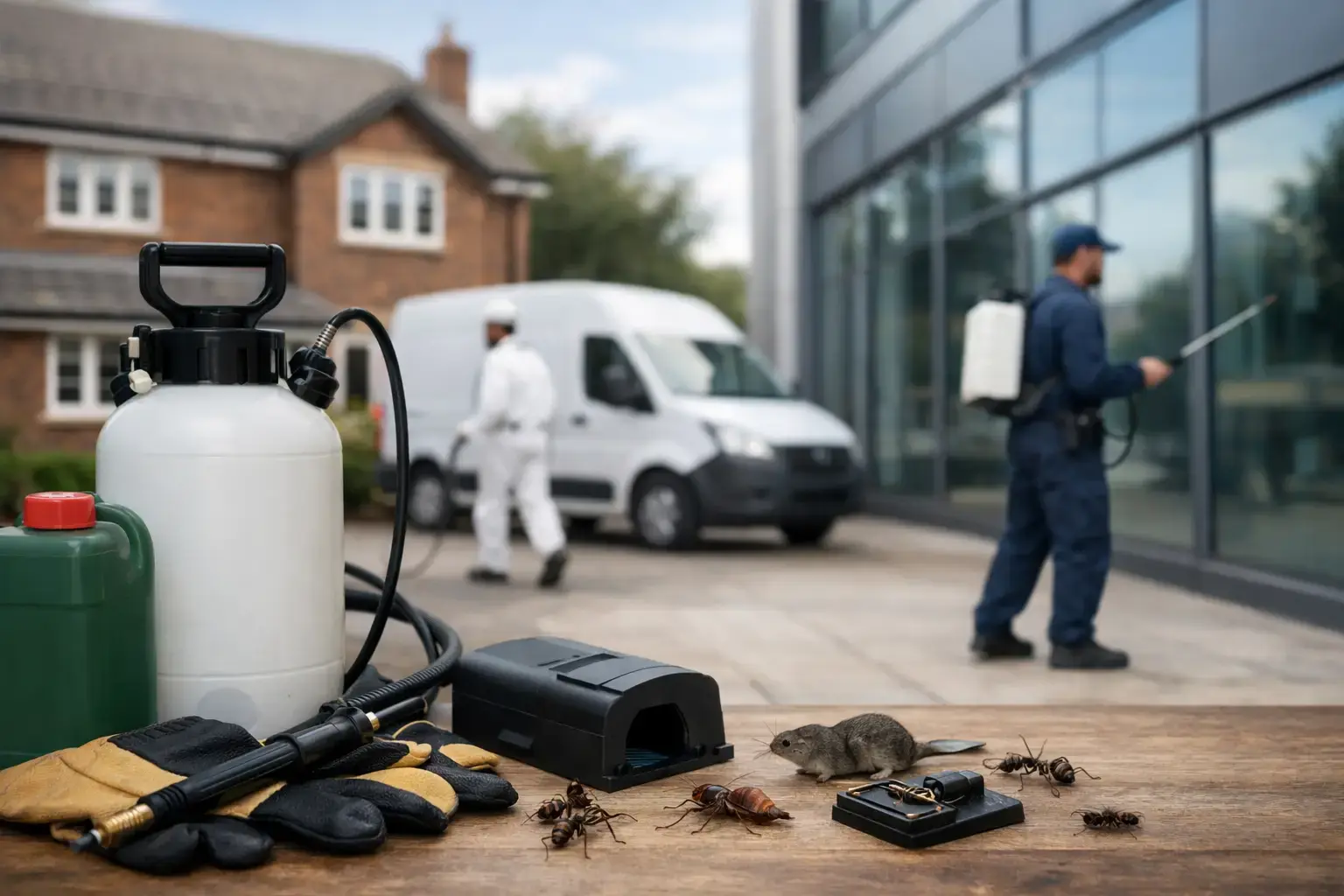
A mouse seen in the kitchen, wasps entering a roof void or droppings found in a stockroom are not problems to solve with guesswork. The best pest control methods start by establishing exactly what pest is present, where it is active and why it has gained access. Treating the visible activity alone may provide short-term relief, but it rarely prevents the next infestation.
For homes, landlords and businesses, effective pest management is a process. It combines accurate identification, targeted treatment, exclusion work and practical prevention. The right approach depends on the species, the property and the level of risk, particularly where food hygiene, vulnerable occupants, pets, wildlife or business operations are involved.
The best pest control methods begin with identification
Different pests leave different evidence, and confusing one for another can lead to wasted time and ineffective treatment. Small droppings may indicate mice, rats, cockroaches or even insects. Damage to timber could be caused by rodents, wood-boring insects or damp-related deterioration. A nest entrance high on a property may belong to wasps, bees or birds, each requiring a very different response.
A proper inspection looks beyond the pest itself. It identifies entry points, harbourage areas, food and water sources, travel routes and the conditions allowing activity to continue. In a commercial setting, this also means considering hygiene procedures, deliveries, waste storage, building defects and the movement of staff or stock.
This is why an on-site survey is often the most valuable part of pest control. It avoids applying a generic treatment to a specific problem. A treatment plan should be based on clear evidence, not assumptions.
Proofing is the method that prevents repeat infestations
Pest proofing is one of the most effective long-term methods available. Rodents, insects and birds exploit surprisingly small gaps, damaged vents, loose roof tiles, uncapped drains and poorly sealed service routes. If access remains open, treatment alone can become a cycle of recurring activity.
For mice, gaps around pipes, utility cables, doors and air bricks are common entry points. Rats may enter through damaged drains, gaps beneath sheds, overflowing bins or defects at ground level. Flying insects can access lofts and wall cavities through roofline gaps, while birds may return to ledges and roof spaces where nesting opportunities have not been controlled.
Effective proofing must be appropriate for the building and the pest. Blocking ventilation without considering airflow can create damp problems. Closing an opening without checking for animals already inside can make matters worse. In some cases, exclusion measures need to be timed around nesting seasons or paired with trapping and monitoring.
The aim is not simply to fill every gap. It is to create a practical barrier while protecting the condition, use and safety of the property.
Targeted treatment works better than a one-size-fits-all approach
Professional treatment should be selected for the pest, the environment and the risk involved. There is no single product or technique that represents the answer to every infestation. The best results come from using the least disruptive effective method, then monitoring its outcome.
Rodent control requires control and monitoring
Rats and mice can contaminate food, damage insulation and wiring, and create significant reputational risks for businesses. Effective rodent control usually combines proofing, removal of accessible food sources, carefully positioned control measures and follow-up inspections.
In homes, the source may be bird feed, pet food, cluttered storage areas or gaps around the building. In commercial premises, waste handling, loading bays, external storage and staff kitchens can all contribute. A reliable programme tracks activity over time rather than relying on a single visit and assuming the problem has gone.
Where rodenticides are required, they must be used responsibly and in line with the site conditions. This helps reduce risks to children, pets and non-target wildlife. Trapping may be more suitable in certain locations, particularly where close monitoring is possible or chemical use is unsuitable.
Insect treatment depends on the species and life cycle
Ants, fleas, bed bugs, cockroaches, moths and stored product insects all require different treatment plans. Some insects can be controlled by addressing food residues and entry points. Others require a detailed programme because eggs, larvae and hidden harbourage areas mean a single treatment may not reach every stage of the life cycle.
Bed bug treatment, for example, depends on thorough inspection, preparation and repeat action where needed. Flea control also requires attention to pets, soft furnishings and floor coverings. Cockroach activity can indicate hidden moisture or food contamination issues and demands a methodical response, especially in food premises.
Over-the-counter products can sometimes kill insects that are visible, but they may not reach the nest, breeding source or concealed population. Repeated use of unsuitable products can also drive pests deeper into voids or spread them through the property.
Wasp nest removal should be handled with care
Wasps become a serious concern when nests are close to entrances, gardens, lofts, schools, workplaces or areas used by customers. Disturbing a nest can provoke defensive behaviour, so attempting to block an entrance or spray an active nest without the right equipment is risky.
Professional wasp nest treatment focuses on the nest location, access route and surrounding safety. Once treated, activity should reduce as worker wasps return to the nest. The nest itself is not normally reused the following year, but the conditions that made the location attractive may still need attention.
Bees should never be treated as wasps without positive identification. They are an important part of the local environment and may require a different, wildlife-conscious solution.
Hygiene and housekeeping support every treatment
Good housekeeping will not solve every infestation, but poor housekeeping makes control far more difficult. Pests need food, water and shelter. Reducing these resources lowers pressure on a property and makes monitoring more meaningful.
At home, this can mean keeping food in sealed containers, clearing spillages promptly, securing refuse, avoiding overfilled bird feeders near buildings and reducing clutter in lofts, garages and under-stair cupboards. Outside, vegetation should be kept from bridging access to walls and rooflines where practical.
For businesses, pest prevention should form part of daily site management. Waste areas need to be clean and secure, food debris must be removed from workspaces, stock should be rotated, and defects should be reported before they become entry points. Staff awareness matters because early reporting often prevents a minor issue from becoming an infestation.
Commercial pest control needs records, discretion and consistency
Commercial properties carry additional responsibilities. A pest issue can affect audit outcomes, hygiene standards, customer confidence and day-to-day operations. Restaurants, warehouses, offices, care settings, retail premises and managed properties all need pest control that fits the risks of their site.
A professional programme should include scheduled inspections, clear reporting, trend analysis and recommendations that can be acted upon. Digital monitoring systems can provide early warning of rodent activity, helping managers respond before there is widespread evidence on site.
Discretion is equally important. Businesses may require treatments outside operating hours or visits in unmarked vehicles, particularly where customer-facing areas and reputation are a concern. The service should solve the problem without creating unnecessary disruption.
When professional help is the right method
A minor, isolated insect issue may be manageable with cleaning and basic prevention. However, professional assistance is the sensible choice when activity is recurring, the pest cannot be confidently identified, there is a suspected nest or infestation in a void, or the property is commercial, rented or occupied by vulnerable people.
It is also advisable to seek help where rats are present, bed bugs are suspected, rodents have entered kitchens or food areas, or bird activity is affecting a building. These situations need more than a quick treatment. They need a controlled plan that addresses both the immediate risk and the cause.
For properties across Stockport and the wider area, AZ Environmental Service Pest Control provides tailored surveys, treatments, proofing and prevention programmes designed to resolve difficult pest issues properly. The practical next step is to act early: the sooner the evidence is assessed, the more options there are to stop pests becoming established.