

Blog
Why Local Authority Approved Pest Control Matters
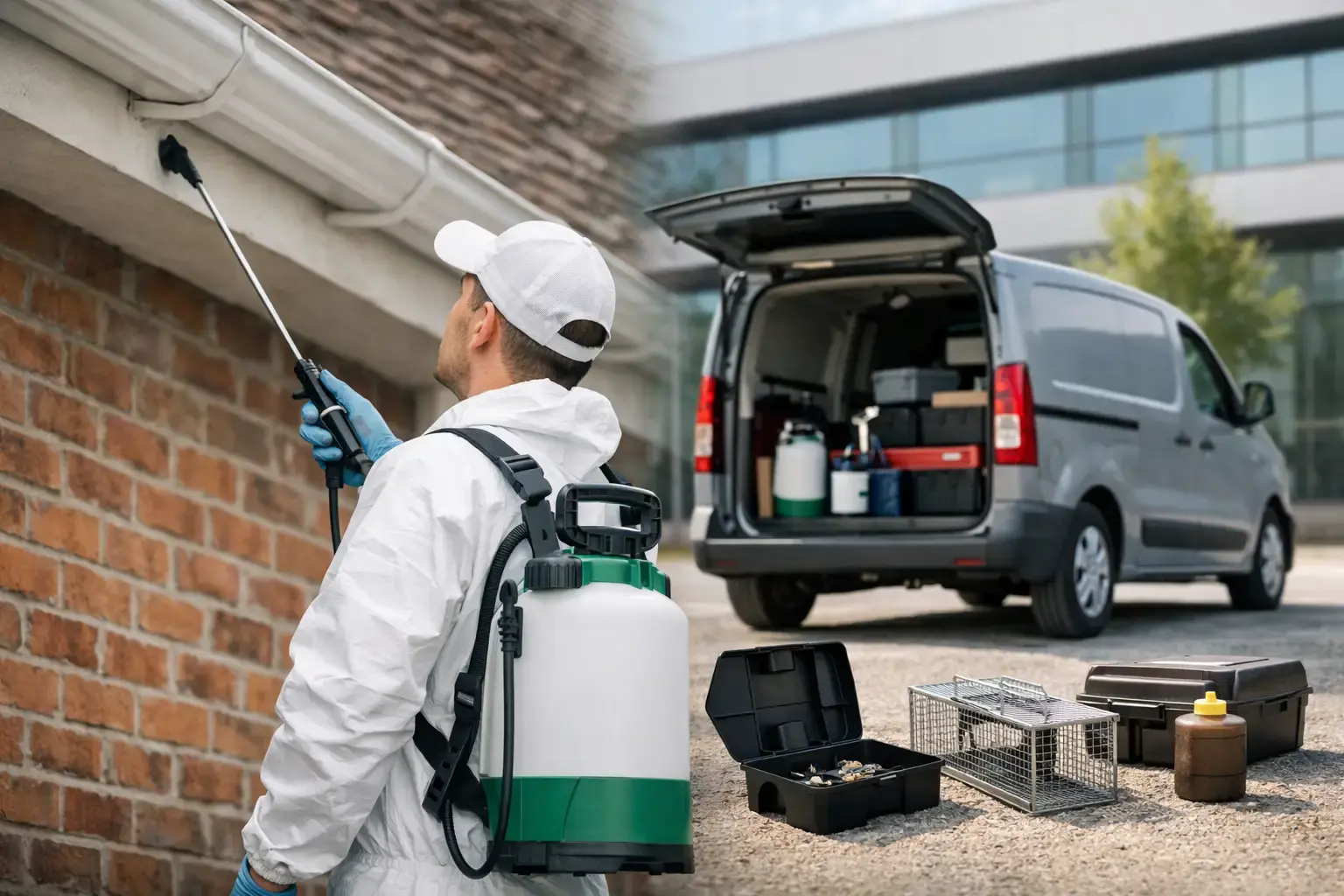
A pest problem rarely starts as a major issue. It starts with scratching in the loft, droppings behind stock in a storeroom, or a wasp nest that suddenly makes part of the garden unusable. When you are choosing who to call, local authority approved pest control is one of the clearest signs that you are dealing with a professional service rather than a general contractor making broad promises.
For homeowners, landlords and businesses, that approval matters because pest control is not just about killing pests. It is about correct identification, safe treatment, prevention, record keeping where required, and carrying out work in a way that protects people, property and, where relevant, non-target wildlife. If the problem has already beaten a basic treatment or keeps returning, the standard of the contractor becomes even more important.
What local authority approved pest control actually means
Local authority approved pest control usually means the company has been assessed and accepted to carry out work to the standards expected by a council or public body. The exact process can vary, but the principle is consistent. Approval is not there for appearance. It is there to show that the contractor meets expected standards around competence, safety, documentation, insurance and professional conduct.
That matters because pest control can involve restricted products, high-risk sites, public-facing environments and sensitive situations. A technician may be working in a family home one hour and a food-related business the next. The methods used need to be lawful, proportionate and suitable for the setting.
Approval should never be looked at in isolation, but it is a strong marker of credibility. It suggests the company has been trusted to work to a higher standard than a casual one-off operator. For many customers, that gives confidence before the survey even begins.
Why approval matters in real pest situations
When pests are active, the pressure is immediate. Rats in a cavity wall, bed bugs spreading through rooms, birds causing fouling around an entrance, or cockroaches affecting hygiene standards all demand action. But fast response is only useful if it is matched by good judgement.
A local authority approved pest control provider should understand that treatment is only one part of the job. The bigger question is why the pests are there in the first place. Entry points, harbourage, food sources, waste handling, drainage defects and structural issues all affect the outcome.
This is where trade-offs come in. A quick treatment may reduce activity, but if proofing and prevention are ignored, reinfestation is likely. On the other hand, the most aggressive treatment is not always the best one. In homes with children or pets, or in commercial sites with strict operating requirements, methods need to be carefully selected. Good pest control is measured by successful resolution, not by how dramatic the treatment sounds.
What to look for beyond the wording
The phrase local authority approved pest control is useful, but customers should still look at what sits behind it. Experience, qualifications and practical field knowledge matter. So does the ability to survey properly and explain the problem in plain terms.
A dependable contractor should be able to tell you what pest you have, how they know, what treatment is appropriate and what limitations may apply. For example, rodent activity in a loft can often be treated effectively, but if access is restricted or proofing defects are widespread, the long-term fix may require staged work. The same goes for wasp nests in difficult roof spaces or bird activity on larger commercial buildings where access and safety planning become part of the solution.
You should also expect discretion and professionalism. For some customers, especially businesses, an unmarked vehicle and low-profile attendance are not a bonus. They are part of the service requirement. In commercial settings, pest control often needs to happen without disrupting staff, customers or tenants.
Local authority approved pest control for commercial sites
For commercial operators, the stakes are higher. A pest issue can affect hygiene, reputation, audits and day-to-day operations. Restaurants, warehouses, offices, schools, retail premises and managed residential blocks all have different risks, but they share one problem. If pest activity is handled badly, the consequences spread quickly.
This is one reason local authority approved pest control is often a sensible minimum standard for business customers. Commercial pest management needs more than a single visit. It often involves monitoring, reporting, trend analysis, prevention planning and recommendations that stand up to scrutiny.
It also needs flexibility. A manufacturing unit may need scheduled visits and detailed site reporting. A landlord managing multiple properties may need rapid callouts and clear evidence of what has been found. A retail site may prioritise discretion above all else. The right provider should adapt the plan to the premises rather than forcing every customer into the same process.
In these environments, technology can also make a difference. Remote monitoring and modern detection systems can help identify patterns earlier, reduce unnecessary visits and strengthen reporting. That is especially useful where compliance and accountability matter as much as treatment itself.
Why homeowners and landlords should care just as much
Domestic customers sometimes assume approval only matters for councils or large organisations. In reality, it matters just as much in a family home or rental property. Incorrect pest control in domestic settings can create risk, waste money and leave the original issue unresolved.
A mouse problem may turn out to be rats entering through a drain defect. Flea activity may actually be linked to an untreated nesting point. Sounds in the loft may not be rodents at all. Accurate identification saves time and avoids the familiar cycle of buying products, trying them, and finding the problem still there weeks later.
For landlords and property managers, there is an added layer. Pest issues often involve responsibility questions, property condition and tenant communication. A professional service helps by providing a clear survey, a treatment plan and practical advice on prevention. That can make a difficult situation easier to manage and document.
A good provider should focus on prevention, not just treatment
One of the biggest differences between basic pest control and specialist pest management is the emphasis on prevention. Killing the current population is only part of the answer. If access points remain open, waste storage is poor, or harbourage is left untouched, the same problem often returns.
That is why proofing, environmental advice and follow-up matter. Depending on the pest, prevention might include sealing entry gaps, improving bin management, trimming vegetation, fitting deterrent systems or changing storage practices. None of that is glamorous, but it is often what makes the result last.
This is also where environmentally responsible practice matters. The best pest control companies use the least invasive effective option, not the heaviest-handed one. That protects occupants, reduces unnecessary chemical use and supports better long-term pest management. Wildlife and non-target species should always be considered, particularly in bird control and outdoor work.
Choosing with confidence
If you are comparing services, approval should help narrow the field, but the decision should still come down to competence, clarity and results. Ask how the issue will be identified, what the treatment involves, whether prevention is included, and what success looks like. If the answers are vague, that tells you something.
A company such as AZ Environmental Service Pest Control will usually stand out not because of sales language, but because the process is clear. Survey first. Identify the pest properly. Put forward a tailored plan. Carry out the work safely and discreetly. Then address the reasons the pests were able to settle in the first place.
That approach is often what separates a temporary fix from a proper solution. When a pest problem affects your home, tenants or business premises, reassurance matters, but evidence matters more. Local authority approval is one of the signs that you are dealing with a contractor that takes the work seriously.
If you need pest control, the right question is not simply who can attend first. It is who can solve the problem properly, safely and with the least chance of it coming back.