

Blog
Why Do Ants Keep Returning to Your Home?
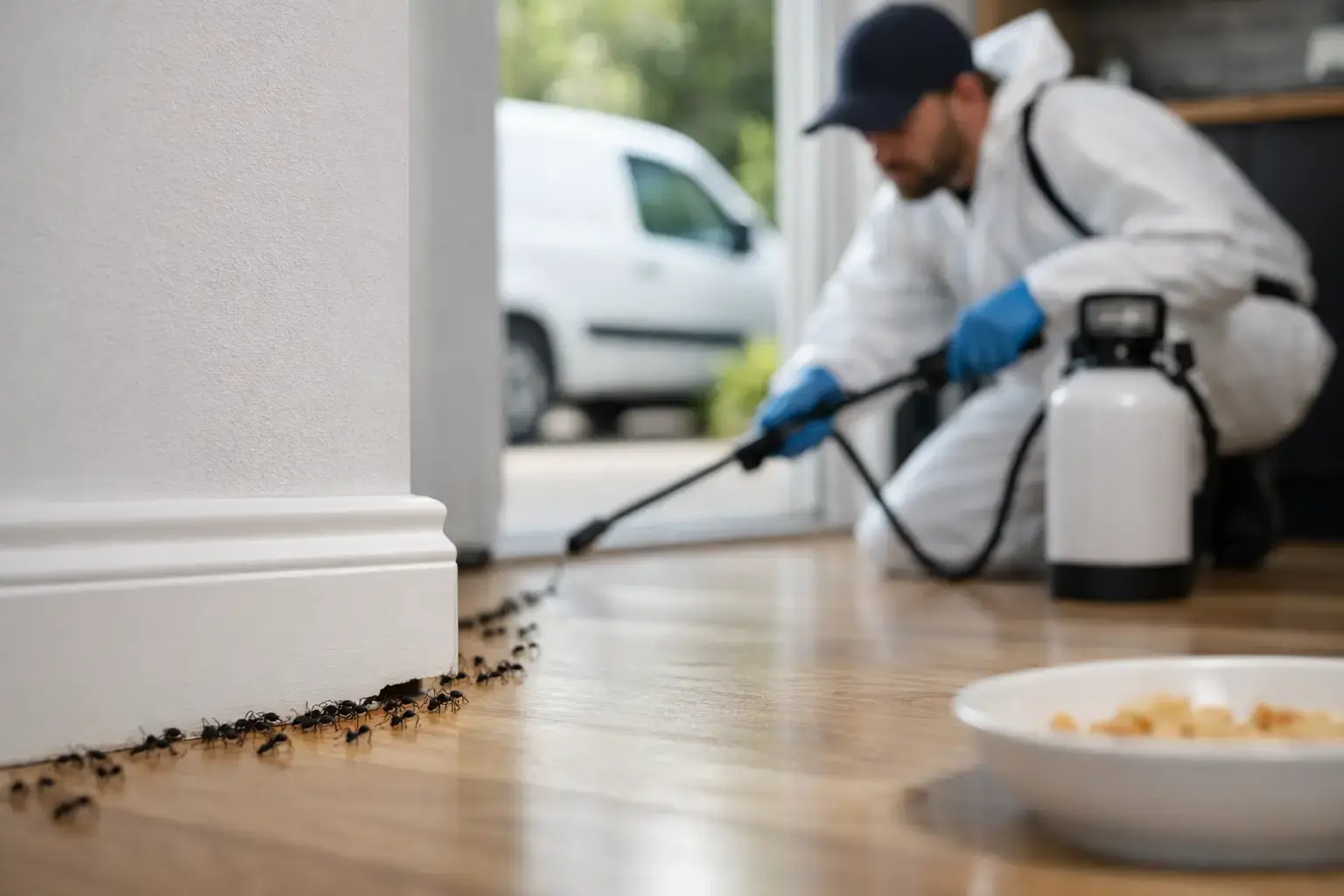
A line of ants across the kitchen worktop can seem to disappear overnight, only to return a few days later in exactly the same place. That is frustrating, but it is also a clue. If you are asking why do ants keep returning, the answer is usually that the colony still has a reliable route to food, water or shelter - and the source of the problem has not been fully dealt with.
Killing the ants you can see may reduce activity temporarily. It rarely solves a recurring issue on its own. Effective ant control means finding out why that particular property is attractive, locating likely access points and treating the colony in a way that prevents workers from simply reappearing elsewhere.
Why do ants keep returning after treatment?
Ants are organised, persistent insects. The ants seen indoors are usually worker ants sent out from a nest to search for supplies. Once a worker finds something useful, such as crumbs, pet food, a leaking pipe or a sweet drink spill, it leaves a chemical scent trail for other workers to follow.
Wiping away the visible trail helps, but it does not remove the colony. In many cases, the nest is outside beneath paving, in a wall void, under a floor, around a building foundation or within a nearby garden feature. The workers can continue using small gaps around pipework, door thresholds, air bricks and cracks in mortar to enter the property.
A treatment can also appear not to have worked when it has only affected foraging workers. If a product does not reach the nest or is used in the wrong location, the queen and wider colony may remain active. The result is a familiar pattern: fewer ants for a short period, then fresh activity once replacement workers begin foraging.
The three things that bring ants back
Food is enough to keep a trail active
Ants do not need an obviously dirty kitchen to become a problem. A few biscuit crumbs under a toaster, residue in a recycling bin, uncovered pet food or a sticky patch beside a bin can be enough to support a foraging route. In commercial premises, food preparation areas, staff kitchens, vending points and bin stores can create the same issue.
Different ants are attracted to different food sources, but sugary foods, proteins and greasy residues are common draws. The key point is consistency. If workers can find food at the same time or in the same area each day, they will keep investigating that route.
Moisture can matter as much as food
Ant activity often increases where there is a dependable water source. Check beneath sinks, behind washing machines, around boiler pipework and near leaking gutters or damaged drainage. Condensation in poorly ventilated areas can also create suitable conditions, especially where ants are entering through gaps close to damp masonry.
This is why recurring ants sometimes point to a property maintenance issue rather than a cleaning issue. The visible insects are the symptom. Moisture, an access gap or a concealed void may be what allows the issue to continue.
Access points make repeat visits easy
Ants can enter through openings most people would never notice. Small cracks in external brickwork, gaps around service pipes, damaged sealant, loose skirting and poorly fitted doors can all provide a route indoors. A nest does not have to be inside the house for ants to become a regular indoor nuisance.
Older properties and extensions can be particularly vulnerable where materials meet or where services have been installed through walls. Outside, disturbed paving, gaps at the edge of patios and vegetation touching the building can all make travel routes easier.
Why spraying visible ants often falls short
A quick spray can kill ants on contact. That can be useful for immediate relief, but it is not always the right answer for a recurring infestation. It may leave the colony untouched and, in some situations, cause workers to avoid the treated route and emerge through another gap instead.
Ant baiting is often more effective because worker ants take the bait back to the nest and share it within the colony. However, bait must be selected, positioned and left undisturbed correctly. Spraying close to bait stations, cleaning them away too soon or placing them away from active foraging routes can reduce results.
The right method depends on the ant species, the nest location, the level of activity and whether children, pets, food handling or wildlife are present. That is why a proper inspection matters. A one-size-fits-all approach can turn a manageable problem into a recurring one.
How to stop ants returning to the property
The most reliable approach combines treatment with practical prevention. Start by removing easy food sources: clean food preparation surfaces, empty indoor bins regularly, store dry foods in sealed containers and avoid leaving pet food down for long periods. Pay particular attention to the spaces beneath appliances and along skirting, where crumbs build up unnoticed.
Next, deal with moisture. Repair drips, investigate persistent damp patches and make sure waste water is draining correctly. If ants are concentrated around one cupboard, external wall or utility area, that location deserves a closer check rather than repeated surface treatment.
Then look at proofing. Sealing obvious gaps around pipes, windows, doors and damaged mortar can prevent access, but proofing should be carried out carefully. Blocking an entry point before the colony is controlled can sometimes redirect ants to another part of the property. Treatment and proofing work best as one planned solution.
Outside, keep bin areas tidy and avoid allowing vegetation to bridge the gap between the garden and the building. If paving is heavily infested, lifting or disturbing it without a plan may spread activity. The nest may be deeper than it appears, or it may be linked to routes beneath nearby slabs and foundations.
When recurring ants need professional attention
A small number of ants in summer may be an occasional nuisance. Regular trails, activity in several rooms, ants emerging from sockets or skirting, or repeated problems after shop-bought products suggest that the nest, entry route or attractant has not been identified.
For landlords and property managers, recurring ant activity should be addressed promptly. It can lead to tenant complaints, poor hygiene perceptions and repeat call-outs if the underlying defects are not corrected. For food businesses and commercial sites, ongoing ant activity needs a documented, controlled response that protects hygiene standards and avoids disruption.
A qualified pest technician can identify the likely species, assess where ants are travelling from, select an appropriate treatment and advise on proofing and housekeeping measures. The objective is not simply to make the current trail disappear. It is to break the link between the colony and the property.
AZ Environmental Service Pest Control provides tailored ant control for homes and businesses across Stockport and the surrounding area, including treatment, inspection and practical prevention advice. Discreet service and a clear treatment plan are especially valuable where a repeat issue has already resisted DIY measures.
Do ants returning mean there is a nest indoors?
Not necessarily. Many common black garden ants nest outdoors and enter buildings to forage. Their presence indoors can still be persistent, particularly during warm weather or after heavy rain changes conditions around the nest.
An indoor nest is more likely where activity continues through colder periods, ants repeatedly emerge from the same internal crack or void, or there is no obvious external route. Some species are more likely than others to establish nests within wall cavities or heated parts of a building. Accurate identification helps determine the right response.
Flying ants can also cause concern, but they are not always a sign that a new infestation has started. They are reproductive ants leaving a mature nest during a short seasonal event. If large numbers appear indoors, however, it is sensible to investigate whether the nest is within the structure.
A lasting solution starts with the route, not the trail
Ants keep returning because something is still rewarding them: food, moisture, shelter or an easy entrance. Remove only the ants you see and the colony may simply send more. Identify the route, treat the source and close off the conditions that made the property attractive in the first place - that is how repeat ant problems are properly resolved.