

Blog
Who Pays Treatment for Pests in a Rented Home in Stockport.
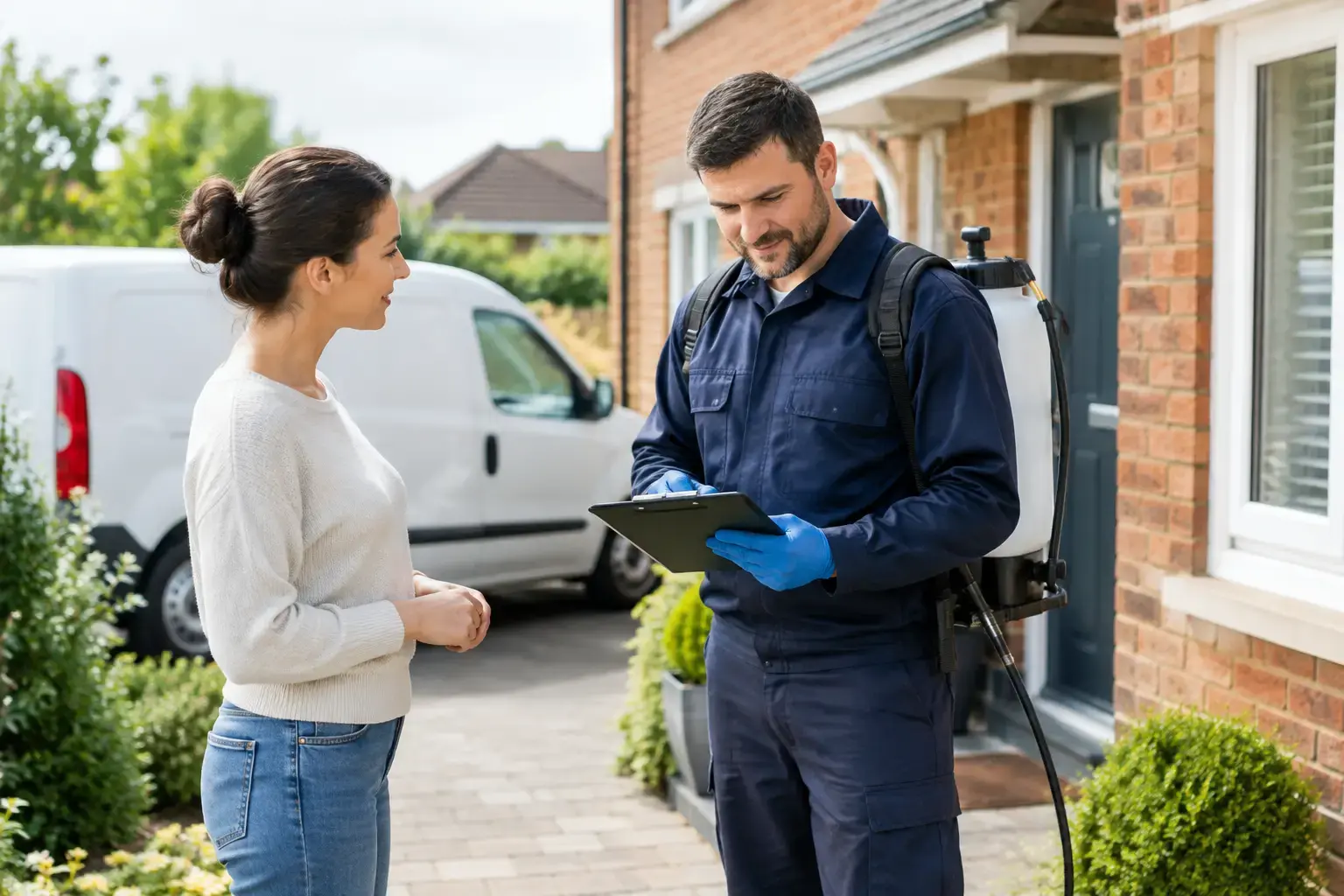
A mouse under the kitchen units, bed bugs in a bedroom or a wasp nest above the entrance can quickly raise one difficult question: who pays treatment? For rented homes and commercial premises, the answer is not simply “the landlord” or “the tenant”. It normally comes down to where the infestation began, what caused it and what each party has done since the issue was found.
Prompt action matters. Pests rarely remain a small inconvenience for long. Rodents can damage wiring and contaminate food areas, while insects can spread quickly between rooms or neighbouring properties. The right response is to report the issue, identify the pest accurately and establish the likely source before deciding who is responsible for the cost.
Who pays treatment in a rented property?
In many cases, a landlord is responsible for arranging and paying for pest treatment when an infestation is linked to the condition of the property. This can include gaps around pipework, damaged drains, broken air bricks, defective roofing, overflowing gutters or other faults that allow pests access or provide a suitable harbourage point.
A landlord also has duties to keep the structure and exterior of a rented property in repair. If disrepair has created the route for rats, mice, squirrels, pigeons or insects to enter, treatment alone is not a complete solution. The access point must be repaired or proofed, otherwise the problem is likely to return.
Tenants may be responsible where there is clear evidence that their actions caused or significantly contributed to the infestation. Examples might include allowing rubbish to build up, leaving food waste exposed, failing to clean a heavily soiled property, or not reporting a known issue until it becomes more serious. This is not about assigning blame without evidence. A professional inspection should identify the pest, its activity levels and the likely source.
The terms of the tenancy agreement can also affect practical arrangements, but they do not remove a landlord’s legal repair obligations where the property itself is at fault.
The cause matters more than the type of pest
It is tempting to assume that particular pests automatically fall under one party’s responsibility. In practice, that approach can lead to arguments and delays. A mouse problem may be caused by a hole behind kitchen cupboards in one property, but by poor waste storage in another. Fleas might arrive with a pet, or they may be present after a previous occupier has left. Bed bugs can be brought into a property on luggage or second-hand furniture, but they can also spread through adjoining flats.
A proper survey looks beyond the pest that has been seen. It examines entry points, food sources, nesting areas, evidence of activity and the condition of the building. For treatment to work, the underlying conditions must be addressed alongside the immediate infestation.
This is especially important with rodents. Setting traps or placing bait may reduce activity, but it will not stop reinfestation if there is an open drain, broken vent, unsealed gap beneath a door or damaged brickwork. Effective pest management combines treatment, monitoring and proofing.
When the landlord is usually responsible
Landlords will commonly be expected to act when pests were already present at the beginning of a tenancy, when the issue stems from structural defects, or where an infestation is affecting several flats due to a shared part of the building. Shared bin stores, communal drains, roof voids and service risers are frequent sources of recurring problems in blocks of flats.
The landlord should also take concerns seriously when a tenant has reported signs of activity promptly. Scratching in walls, droppings, gnaw marks, unusual odours and damaged food packaging are all useful early indicators. Waiting for a full infestation makes the eventual treatment more disruptive and more costly.
When a tenant may be responsible
A tenant may need to pay where the evidence shows an infestation has arisen through avoidable conditions inside the property. This could include food debris in cupboards, overflowing internal bins, persistent clutter that prevents inspection, or feeding wildlife close to the building.
However, a tenant should not be expected to diagnose a pest problem or undertake unsafe treatment. Rodent control, insecticide treatments and wasp nest removal require the correct products, methods and risk assessment. A tenant’s immediate responsibility is normally to keep the property reasonably clean, report the issue in writing and allow access for inspection and treatment.
What landlords and tenants should do first
The first step is to create a clear record. Tenants should tell the landlord or letting agent as soon as they notice a problem, ideally in writing. Include the date, the pest seen, where activity has been found and photographs of any visible evidence such as droppings, damage or entry gaps.
Landlords should arrange an inspection without unnecessary delay. A survey provides an objective starting point and helps prevent the common mistake of treating the visible problem while missing the cause. If repair work, drainage investigation or proofing is needed, that should be planned with the pest treatment rather than left until later.
Both parties should keep copies of communications, inspection findings and invoices. This is helpful if there is later disagreement over costs, particularly where a deposit deduction is being considered. It also demonstrates that reasonable action was taken to prevent the situation worsening.
Who pays for pest treatment in commercial premises?
For shops, offices, warehouses, restaurants and managed properties, responsibility is often set out in the lease or pest management agreement. Many commercial leases place day-to-day pest control duties on the occupier, particularly where food handling, waste storage or stock management are involved. The property owner may remain responsible for structural repairs, external proofing and defects in the building fabric.
A business should not assume that a one-off call-out resolves its obligations. Where hygiene, customer confidence or regulatory standards are involved, ongoing monitoring may be the sensible option. This is particularly true for food businesses, communal buildings and sites with regular deliveries or external waste areas.
If mice are entering through a damaged loading-bay door, for example, the occupier may need immediate control measures while the landlord or property manager arranges the repair. The cost can depend on the lease, but operational responsibility still means acting quickly to protect staff, customers and stock.
Why professional evidence protects everyone
Pest disputes often become difficult because the first conversation happens after the problem has escalated. A qualified pest controller can provide evidence that is more useful than assumptions: the species involved, level of activity, treatment required, likely access routes and any proofing or repair recommendations.
At AZ Environmental Service Pest Control, inspections are designed to address the full issue, not just remove what is visible on the day. For landlords and property managers, this creates a clear treatment plan and a practical record of the work required. For tenants, it provides reassurance that the concern has been assessed properly.
Discreet attendance can be valuable too. Unmarked vehicles help residential landlords, hospitality businesses and commercial operators deal with pest concerns professionally without drawing unnecessary attention to the property.
Do not delay treatment while responsibility is debated
Where there is an active infestation, resolving the pest problem should come first. Landlords and tenants can still discuss the final allocation of costs once the cause and evidence are clear. Delaying action while waiting for agreement can allow pests to breed, spread to neighbouring properties or cause further damage.
If you are a tenant, report the issue immediately and keep a record. If you are a landlord or property manager, arrange a professional survey that identifies both the infestation and the route that allowed it to develop. Clear evidence, prompt treatment and permanent proofing give everyone the best chance of resolving the problem fairly and preventing it from returning.