

Blog
When to Call for Pest Control in Stockport
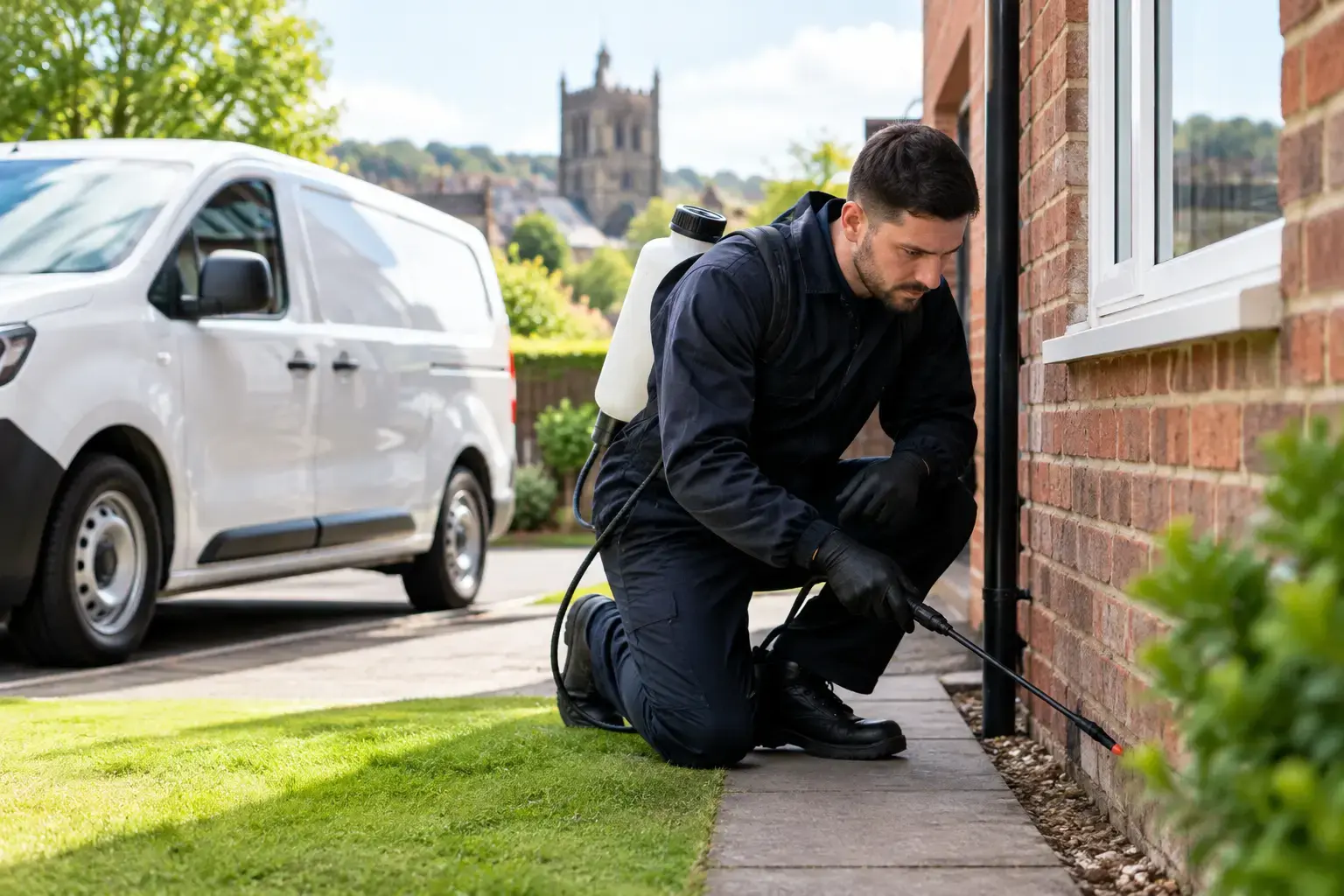
A scratching sound above the ceiling at night, wasps gathering around a roofline, or droppings behind a kitchen unit are not problems to leave until next week. In Stockport, pests can move quickly from an isolated sighting to an established infestation, particularly where food, warmth, shelter and access points are readily available. Acting early protects your property, your hygiene standards and, in a commercial setting, your reputation.
The right response is not always the biggest treatment or the quickest product. Effective pest control starts by identifying the pest correctly, finding how it entered, understanding why it is staying and dealing with the conditions that allow it to return. That is the difference between a temporary reduction in activity and a resolved pest problem.
When a Pest Problem Needs Professional Attention
One insect in the garden or an occasional spider indoors does not automatically require treatment. Wildlife and insects have a place outdoors, and a measured approach is often the right one. The concern begins when there is evidence of breeding, nesting, repeated activity or a pest gaining access to living, food-preparation or working areas.
Rats and mice are a clear example. A single dropping, gnaw mark or late-night noise may point to a wider issue because rodents generally remain hidden while they establish a route through a building. They can contaminate stored food, damage insulation and wiring, and exploit gaps that appear too small to matter. DIY traps may catch an individual rodent, but they do not show where the animals are entering or whether a nest is close by.
Wasp activity also deserves prompt assessment when it is concentrated around one point of a property. A nest in a shed may be manageable if it is away from people and pets, but a nest in a loft, wall void, school grounds, customer entrance or busy garden can quickly become a safety issue. Attempting to block an active nest or use an unsuitable aerosol often makes the situation worse by driving wasps into the building.
Bed bugs, fleas and cockroaches need a different level of care. These pests can be difficult to identify, can spread through belongings or adjoining rooms, and often require carefully timed follow-up treatments. A treatment plan has to account for the pest's life cycle, not simply the activity seen on the day.
The Signs Property Owners Should Not Ignore
Pests rarely announce themselves clearly. More often, the clues are small and easy to explain away until the pattern becomes obvious. Look for repeated droppings, grease marks along walls, chewed packaging, disturbed loft insulation, unpleasant odours, holes around pipework, insect bodies near windows or persistent noises in voids.
For homeowners, the most useful question is whether the sign has happened more than once. Repeated activity usually means there is an access route, food source or harbourage point that needs addressing. Cleaning up the evidence is sensible, but it should not be mistaken for solving the cause.
For landlords and managing agents, speed matters because a pest issue can affect neighbouring flats, tenants and the condition of the building. Clear communication, a documented inspection and practical recommendations for proofing help prevent a simple report becoming an ongoing management problem.
Commercial operators face additional pressure. Food premises, offices, warehouses, care settings and hospitality venues need pest control that is effective without disrupting staff, visitors or trading. Discreet attendance, accurate records and prevention work are as important as the treatment itself. An unmarked vehicle can be particularly valuable where customer confidence and brand reputation are at stake.
Why Pest Control in Stockport Must Include Proofing
Treatment removes or controls the current pest activity. Proofing reduces the chance of the same problem returning. Both are necessary when a building has gaps, damaged air bricks, poorly sealed service entries, defective drains, overgrown external areas or cluttered storage spaces.
Stockport has a broad mix of older terraced homes, modern developments, shops, industrial units and converted properties. Each presents different risks. Older buildings may have voids behind original features and worn mortar around pipework. Commercial sites can have loading doors, external bin areas and frequent deliveries. A one-size-fits-all approach will miss the detail that makes an infestation persistent.
A proper survey should consider the full route a pest takes: where it is entering, where it is feeding, where it is nesting and where it can travel unseen. For rodents, that may mean checking external drainage, vegetation, gaps beneath doors and utility penetrations. For birds, it may mean assessing ledges, roofs and signage that create suitable roosting points. In difficult-to-reach locations, professional UAV surveys can provide a safer, clearer view before work is planned.
Proofing does not mean sealing a building indiscriminately. Ventilation must still work, drainage must remain accessible and wildlife must be considered. The right materials and timing matter, especially where birds may be nesting or protected species could be present. This is where qualified assessment protects both the property and the wider environment.
Choosing the Right Response for the Pest
Different pests need different methods. The aim should always be targeted control, not unnecessary chemical use. Correct identification prevents wasted time and avoids treatments that are unsuitable for the setting.
Rodent work may combine monitoring, controlled baiting where appropriate, trapping, sanitation advice and proofing. Modern monitoring systems can support ongoing commercial programmes by showing activity trends and allowing a technician to focus attention where it is needed. For a household, the priority may be a rapid visit, safe treatment around children or pets, and clear guidance on how to prevent access after the initial activity has stopped.
Insect problems can require a planned sequence of visits. Flea and bed bug treatments depend on preparation, including laundering, vacuuming and reducing clutter where instructed. Skipping preparation can limit the effectiveness of any treatment, even when the product and application are correct. A dependable provider will explain what needs to happen before and after a visit rather than offering vague assurances.
Bird control is also a specialist task. Nesting, fouling and roosting can create hygiene, slip and property-damage risks, but work must be lawful and humane. The right solution may involve exclusion measures, deterrents, cleaning or long-term site management, depending on the species and the building.
What a Professional Visit Should Deliver
A professional pest visit should leave you with more than a treated area. You should understand what has been found, why the issue developed, what treatment is being used and what actions will reduce future risk. If a follow-up is needed, that should be clear from the outset.
At AZ Environmental Service Pest Control, the focus is on resolving the underlying issue, including the difficult pest problems that have not responded to basic measures. Domestic and commercial work is tailored to the property, the pest and the level of risk, with discreet service and environmentally responsible methods where possible.
Credentials and local knowledge matter, but so does practical execution. A technician should be able to explain the evidence in plain language, work safely around occupants and pets, and provide realistic advice. Be wary of anyone who promises a permanent result without inspecting the site or discussing the conditions that attracted the pest in the first place.
Practical Steps Before Help Arrives
You do not need to diagnose the whole infestation before arranging a visit. A few sensible actions can make an inspection more productive. Avoid moving suspected nests or disturbing droppings. Keep food in sealed containers, clear loose rubbish from external areas and note where and when you have seen activity.
Photographs can help with insects or visible damage, provided they can be taken safely. For rodents, avoid placing poison yourself if children, pets or wildlife may be at risk. If you use a trap, do not assume the job is complete after one catch. Continued monitoring and proofing are what stop the cycle.
For businesses, preserve relevant records and make staff aware of any hygiene or storage procedures that need immediate attention. A quick response can prevent a minor finding from becoming an operational disruption.
Pest problems rarely improve through waiting. Early, informed action gives you more treatment options, reduces damage and makes prevention far easier. If you are seeing repeat signs at your home, rental property or business premises, arrange a professional assessment while the issue is still within your control.