

Blog
When to Book a Pest Survey and Act Quickly
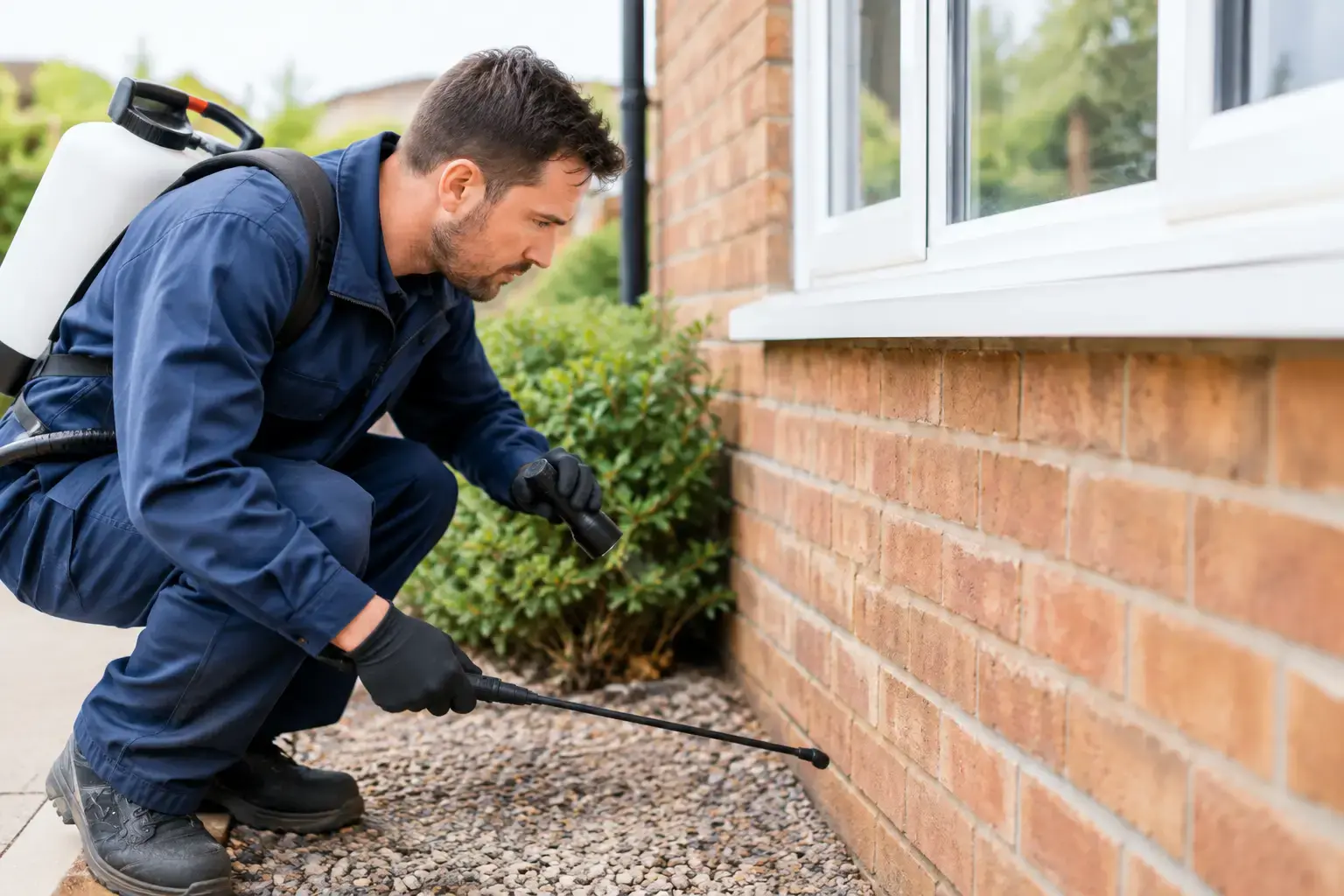
A single scratching sound in the loft, a trail of ants by the skirting board or droppings behind a commercial kitchen unit can be easy to dismiss. The question is when to book pest survey support before a minor concern becomes damage, contamination or a persistent infestation. In most cases, the right time is sooner than people think - especially when there is evidence that pests are feeding, nesting or entering the building.
A professional survey is not simply a check for the pest you have seen. It identifies the species, likely scale of activity, entry points, harbourage areas and the conditions allowing the problem to continue. That means treatment can be targeted properly, while practical proofing and prevention reduce the chance of a repeat issue.
Book a pest survey at the first clear sign of activity
You do not need to wait until pests are visible in large numbers. Rodents, insects and birds often remain out of sight while activity builds behind walls, below floors, in roof voids or around external service points. The first confirmed sign is a sensible point to arrange a survey.
For rats and mice, signs include droppings, gnawed food packaging, grease marks along walls, scratching noises after dark and a strong, stale smell in enclosed areas. Rodents can damage cables, insulation, stored goods and pipework. They also present hygiene risks where food is prepared, stored or served. A survey should be arranged promptly, rather than relying on shop-bought bait or traps that may only catch a small part of the problem.
With insects, timing depends on the species. Ants in the kitchen may be a seasonal nuisance, but repeated trails or activity emerging from walls can indicate a nest close to the property. Cockroach sightings require fast action, particularly in food businesses, rental properties and shared buildings, because populations can grow quickly and spread through service voids. Bed bugs should be surveyed as soon as bites, spotting on bedding or live insects are suspected. Early identification helps avoid moving them into other rooms or properties.
Wasps are different. A few wasps in the garden do not always mean a nest needs treatment. However, regular traffic into a gap in the roofline, shed, wall cavity or loft suggests an active nest. Book a survey or assessment without delay when the nest is near doors, children’s play areas, workspaces or vulnerable people, or where someone has a known allergy to stings. Never block the entrance to an active nest - this can force wasps further into the building.
When to book a pest survey for recurring problems
A pest problem that appears to have been treated but keeps returning is one of the strongest reasons for a full survey. Repeated activity usually means the underlying cause has not been removed. There may be an unsealed entry point, a concealed nest, an accessible food source, faulty drainage or a neighbouring source of pressure.
This is particularly common with mice in lofts and kitchens, rats around bin stores and drains, pigeons roosting on commercial buildings, and ants returning during warmer weather. Treating visible activity without locating the access route can provide only temporary relief. A survey allows the technician to inspect the wider property and recommend a plan based on how pests are using it.
For landlords and property managers, recurring reports from tenants should not be treated as isolated complaints. Patterns across flats, communal areas, bin rooms or roof spaces can point to a building-wide issue. A timely survey helps establish responsibility, protect the condition of the property and demonstrate that reasonable action has been taken.
Before buying, letting or renovating a property
A survey is also worthwhile before pests become a daily problem. If you are buying an older house, taking on a commercial unit or preparing a rental property, look for evidence of previous activity. Empty premises can be attractive to rodents and birds, while vacant kitchens, cellar areas and roof voids may conceal an established issue.
Book an inspection before major renovation work where there are signs of droppings, damaged insulation, bird fouling, insect nests or unexplained odours. Building work can disturb pests and expose hidden routes between rooms. Identifying risks beforehand allows pest proofing to be incorporated into the works, which is generally more effective and less disruptive than trying to add it later.
For commercial operators, this matters particularly when opening a food premises, care setting, warehouse, office or hospitality venue. Pest activity can affect hygiene standards, stock, staff confidence and reputation. An early survey provides a clear starting point for a tailored monitoring and prevention programme.
Seasonal moments that warrant an inspection
Pest pressure changes through the year, so a preventive survey can make sense even where there is no active infestation. In autumn and winter, mice and rats seek warmth, shelter and reliable food inside homes and business premises. Checking vulnerable areas before temperatures fall can prevent a small external issue becoming an indoor one.
Spring and summer bring increased insect activity. Ants become more noticeable, wasp nests develop and flies can become a concern around waste, drains and food handling areas. Bird activity may also increase around roofs, ledges and solar panels. Pigeons and gulls can create fouling, blocked gutters and damage to building fabric, while nests may restrict what work can be carried out at certain times. A survey helps establish the correct, lawful and wildlife-conscious approach before control work is planned.
There is a trade-off with preventive surveys: not every property requires a routine visit at the same frequency. A well-maintained home with no history of pest activity may only need an inspection when a sign appears. A restaurant, warehouse, managed block or premises with regular deliveries, waste storage or food handling has greater exposure and usually benefits from planned monitoring.
Do not wait where hygiene, safety or business continuity are at risk
Some situations call for immediate professional attention. Arrange a survey as soon as possible if rodents are present in a food area, cockroaches are seen in a commercial kitchen, bird fouling is accumulating near entrances or ventilation, or pests are affecting vulnerable residents. The same applies where you suspect gnawed electrical wiring, contamination of stored products or an infestation spreading between neighbouring properties.
Businesses should also act quickly after a failed audit, customer complaint or staff report. Waiting for more evidence can increase the cost and disruption of resolving the issue. A documented survey identifies what has been found, what action is needed and what preventive measures should follow. This is useful for owners, managers and anyone responsible for site standards.
Discretion can matter just as much as speed. For customer-facing businesses and householders who value privacy, a professional provider should be able to attend without drawing unnecessary attention. Unmarked vehicles and a considered approach help keep the focus where it belongs - on resolving the pest issue safely and effectively.
What a professional pest survey should establish
A useful survey should give you more than a general reassurance that pests may be present. The technician should identify or assess the likely species, inspect affected and adjacent areas, and look for the conditions allowing activity to continue. This may include gaps around pipes, damaged air bricks, roof defects, overflowing bins, bird access points, vegetation against walls or drainage concerns.
The recommended treatment should suit the property, pest and level of risk. It may involve trapping, targeted baiting, insect treatment, nest removal, bird control, monitoring systems or proofing work. In some cases, the answer is not immediate treatment. If there is no active infestation, prevention advice and monitoring may be the most proportionate option.
Ask what follow-up will be needed. Many pest problems require more than one visit because activity must be monitored, treatments need time to work, or proofing can only be completed once the pest is controlled. A clear plan prevents false expectations and gives you a practical route back to a pest-free property.
A timely survey saves avoidable disruption
The cost of waiting is rarely limited to the pest itself. Rodents can turn a small access gap into damaged property. Insects can spread into more rooms. Bird fouling can create slip risks and block drainage. In commercial settings, the effects may include wasted stock, disrupted operations and avoidable pressure during inspections.
If you have seen repeated signs, heard activity, noticed property damage or simply want reassurance before a move, refurbishment or busy trading period, arrange the survey now. AZ Environmental Service Pest Control provides practical, tailored inspections for homes and businesses across Stockport and the surrounding area, with treatment and prevention considered together.
The best time to act is while the evidence is still small enough to trace. A professional survey turns uncertainty into a clear plan, so you can deal with the cause rather than repeatedly reacting to the symptoms.