

Blog
What Attracts Rats to Gardens?
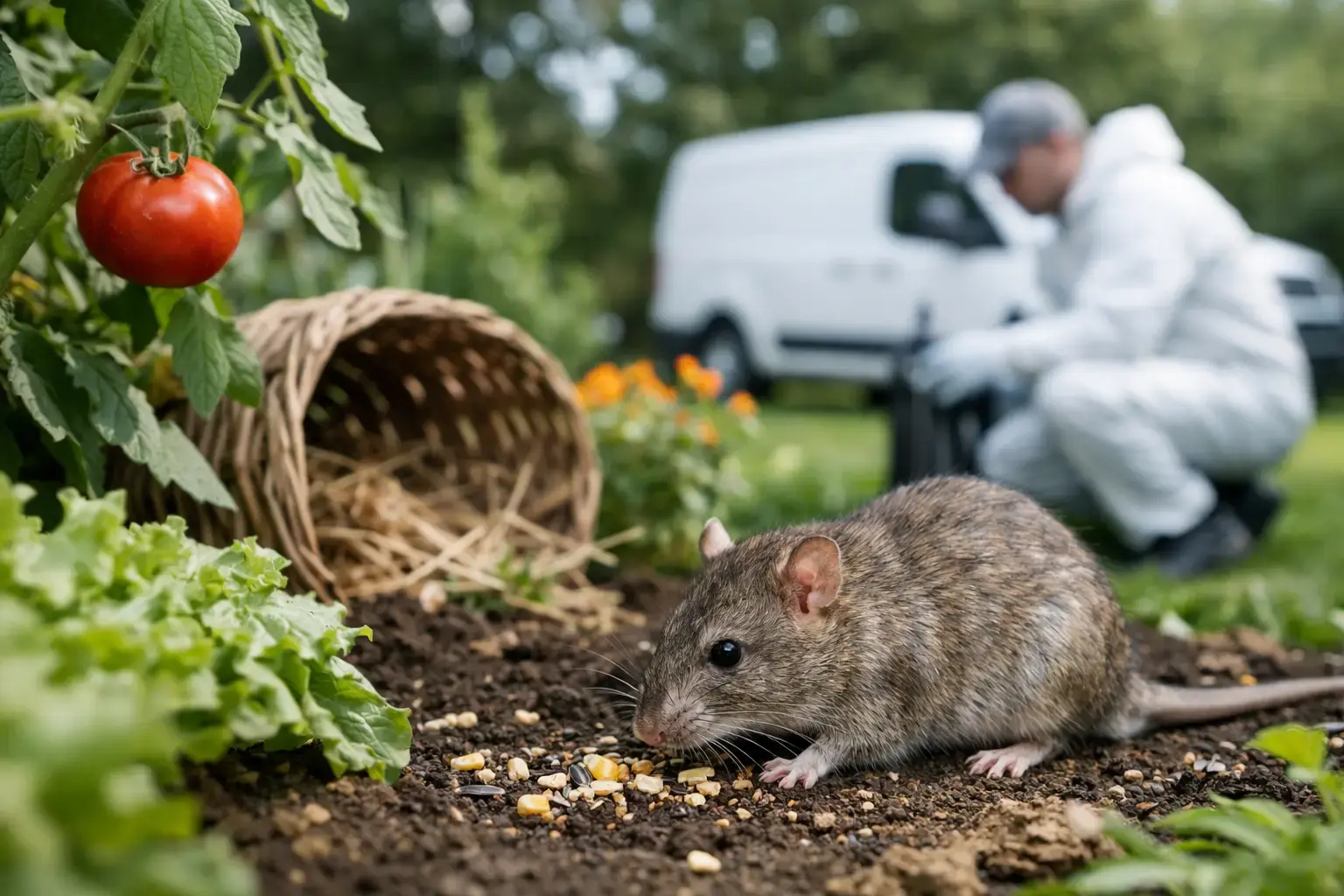
A tidy garden can still attract rats. If you are wondering what attracts rats to gardens, the answer is usually not one single issue but a combination of food, shelter, water and easy access. Once those conditions are in place, a garden can become a regular feeding and nesting site very quickly.
Rats are opportunists. They do not need neglected land, overflowing bins or obvious waste to move in. A well-kept garden with bird feeders, compost, dense planting and a shed can offer everything they need. That is why prevention has to go beyond general tidiness and focus on the details rats actually respond to.
What attracts rats to gardens most often
The biggest draw is a reliable food source. In domestic gardens, that often means bird seed, fallen fruit, pet food, food waste in bins and edible material in compost heaps. Even a small amount of food put out regularly can be enough to keep rats returning.
Bird feeding is one of the most common factors. Seed scattered on the ground, suet, peanuts and food left out overnight all create easy feeding opportunities. People often notice increased rat activity near fences, under decking or around sheds when bird feeders are positioned nearby. Feeding birds is not the problem in itself. The problem is unmanaged spillage and repeat access.
Compost can also be attractive, especially if cooked food, meat scraps or other unsuitable waste has been added. A well-managed compost bin with the right materials is less likely to cause issues, but a warm heap containing food waste gives rats both interest and cover. The same applies to wheelie bins with loose lids or refuse bags left exposed.
Fruit trees and vegetable patches can add to the risk. Windfall apples, soft fruit, tomatoes and other produce left to rot on the ground are easy meals. In allotment-style gardens or larger plots, rats may move between neighbouring spaces if food is available across several properties.
Shelter matters just as much as food
A garden does not need to feed rats heavily if it gives them somewhere safe to stay. Shelter is often what turns occasional rat visits into an established problem. Overgrown areas, dense shrubs, ivy, wood piles, stacked rubbish, old garden materials and cluttered outbuildings all provide cover.
Decking is a regular issue. The space underneath is dark, dry and sheltered from disturbance, which makes it ideal for harbourage. Sheds and garages can be equally attractive, particularly where doors do not sit flush to the ground or where there is stored seed, animal feed, cardboard or fabrics inside.
Rats also use boundary lines well. Gaps behind fencing, neglected edges, overgrown corners and access along walls allow them to move without exposure. In urban and suburban areas, they are skilled at travelling between gardens through very small routes, especially where several properties back onto one another.
Water is another factor that gets overlooked. Leaking outdoor taps, dripping hoses, pond edges, pet water bowls and blocked drains can all support rat activity. They do not need a large water source. A consistent one is enough.
Why some gardens get repeat rat problems
Some properties see rats return even after a short period of calm. Usually, that is because the underlying conditions have not changed. If food remains available and there is still shelter nearby, the garden stays attractive even if the original rats have gone.
Drain defects can be part of the issue. Rats frequently travel through drainage systems and may emerge into gardens through broken pipes, damaged inspection chambers or disturbed ground. Where there is repeated activity with no obvious food source, the drainage side should be considered.
Neighbouring conditions also matter. You can manage your own garden well and still be affected by nearby bird feeding, poor waste storage or overgrown land next door. That does not mean prevention is pointless. It means control sometimes requires a wider view of how rats are moving through the area.
Seasonal changes play a part too. Rat activity often becomes more noticeable when temperatures drop and they start seeking warmer nesting locations, but summer gardens can be highly attractive as well because food and cover are more abundant. There is no risk-free season.
What attracts rats to gardens around homes and businesses
For landlords, property managers and commercial sites, the pattern is much the same but the pressure can be higher. Bin stores, food waste areas, outdoor seating spaces, rear yards and neglected perimeter zones all create opportunity. A garden area attached to a block, office or hospitality site may look presentable while still offering concealed harbourage.
Domestic and commercial premises both face the same basic truth. Rats stay where they can feed with low risk and move without much disturbance. If external areas are not managed properly, the problem can build before anyone notices visible signs.
That is why early action matters. A couple of sightings in a garden should not be written off as normal wildlife activity, especially if there are signs of digging, droppings or movement around structures.
Signs your garden is attracting rats
You will not always see the rats themselves in daylight. More often, the evidence appears first. Burrow holes in soil banks, under sheds, beneath decking or around compost bins are a strong indicator. So are smear marks along walls, droppings near feeding points, gnaw damage on wood or plastic, and flattened runs through vegetation.
You may also hear movement at dusk or after dark. Dogs often react to rat activity before owners spot the cause. If bird food disappears unusually quickly, bins are being disturbed or there is repeated digging in the same area, those are all worth investigating.
The important point is not to wait for the problem to become obvious. Rats breed quickly. A garden that supports a small number of rats now can support many more in a relatively short period if conditions remain favourable.
How to make your garden less attractive to rats
Start with food control. Use bird feeders designed to reduce spillage, clean up fallen seed and avoid feeding late in the day if food will be left overnight. Store pet food securely and do not leave bowls outside after use. Pick up fallen fruit and harvest produce before it spoils on the plant or ground.
Check your composting methods. Avoid adding meat, fish, dairy or cooked food to open compost systems. Use a secure compost bin where possible, and keep the surrounding area clear. Bin lids should close properly, and any damaged containers should be replaced.
Next, reduce shelter. Cut back dense overgrowth, raise stored materials off the ground where practical, and clear unnecessary clutter from behind sheds and along fence lines. If you have decking, inspect underneath for burrows or runs. Gaps around sheds, garages and outbuildings should be sealed with suitable proofing materials once you are sure rats are not active inside.
Look at water sources as well. Repair leaking taps, check hose connections and deal with drainage defects promptly. If there are signs of rat movement near drains or inspection points, that needs proper assessment rather than guesswork.
There is a trade-off here. Wildlife-friendly gardens can sometimes create more harbourage if they are not managed carefully. Log piles, compost areas, dense planting and feeding stations all have value, but they need positioning and maintenance that do not hand easy opportunities to rats.
When prevention is not enough
If rats are already nesting in the garden, simple tidying will not always solve it. Once a population is established, professional treatment is often the quickest and safest route. That is particularly true where there are children, pets, adjoining properties, drainage concerns or repeated re-infestation.
A proper survey matters because not every rat problem starts and ends in the garden. Activity outside may be linked to drains, wall voids, subfloors, bin areas or neighbouring land. Treating the visible symptoms without identifying the access route can waste time and allow the issue to continue.
For properties in and around Stockport, this is where an experienced pest control specialist adds real value. The aim is not just to remove the current problem but to identify why the site is attractive in the first place and put practical prevention in place.
If you have noticed rat activity in your garden, act early. The longer food, shelter and access remain available, the harder the problem can become to contain. A clear inspection, the right treatment and proper proofing will always outperform trial and error.
A garden should be a usable outdoor space, not a hiding place for pests. When you know what rats are looking for, you can remove the appeal before it turns into a bigger problem.