

Blog
Roof Void Pest Survey: What It Checks
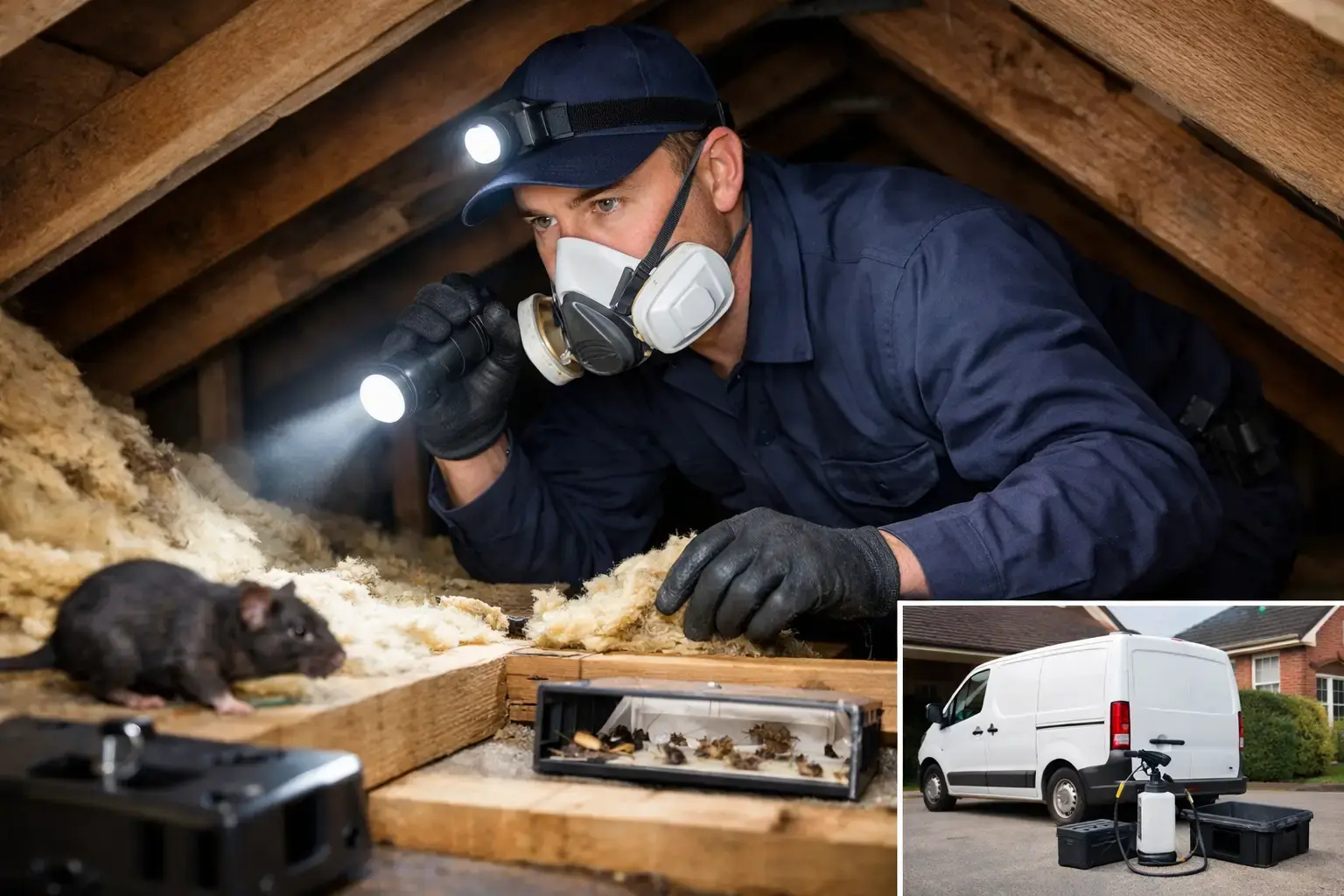
Scratching above the ceiling at night is rarely a mystery for long. By the time you can hear movement in the loft or roof space, pests have often been active for some time. A roof void pest survey gives you a clear picture of what is happening out of sight, how pests are getting in, and what needs to be done to stop the problem properly.
For homeowners, landlords and commercial sites, that matters because roof void infestations are easy to miss and costly to ignore. Rodents can damage insulation, wiring and stored items. Birds can create heavy fouling and blocked access points. Insects can spread through hidden voids before anyone notices the source. Guesswork wastes time. A proper survey identifies the pest, the extent of activity and the practical route to treatment and proofing.
What is a roof void pest survey?
A roof void pest survey is a professional inspection of the loft, ceiling void or enclosed roof space to check for pest activity, entry points, nesting, contamination and damage. It is not simply a quick look with a torch through a hatch. The purpose is to assess the full situation and turn it into an action plan.
That includes looking for live activity, droppings, nesting materials, rub marks, gnawing, tracks, feeding signs and odours. It also includes checking the structure itself. Gaps around eaves, damaged soffits, lifted tiles, uncapped vents and service penetrations often explain why pests have got in and why previous treatment has not solved the issue.
In some properties, especially larger buildings or awkward roofs, access can be limited. That is where experience matters. A survey needs to be thorough without causing unnecessary disturbance, and the findings need to be practical rather than vague.
Why roof void pest problems are often missed
Roof spaces are one of the easiest places for pests to stay hidden. People rarely go into them, lighting is poor, and signs can build up gradually. By the time a property owner notices noise, staining or odour, the infestation may already be established.
Rodents are a common example. Rats and mice will use loft insulation for nesting and can travel freely along cavity walls and service routes. In commercial premises, a roof void can also connect multiple areas of the building, allowing pests to spread well beyond the point where they entered.
Bird issues are different but just as disruptive. Feral pigeons and some smaller bird species may roost near roof access points, leaving fouling, feathers and nesting debris that create hygiene issues and attract secondary pests. If the roof void is above a workspace, retail unit or communal area, the risk is not just nuisance. It can become a maintenance and compliance problem.
What a roof void pest survey looks for
The first job is identifying the pest correctly. Noise in the roof does not always mean rats, and droppings in a loft do not always mean recent activity. A trained surveyor looks at size, location, access pattern and surrounding conditions before recommending treatment.
The survey will usually assess signs of activity, the likely species involved, how long the issue has been present and whether the infestation appears active, historic or intermittent. That distinction is important. Treating an old, inactive problem as if it were current can lead to unnecessary work. Missing an active one allows it to continue.
A proper inspection also looks for contributory factors. Food sources, moisture, poor housekeeping around bin stores, damaged proofing and overhanging vegetation can all increase pressure on the roof space. In blocks, warehouses and older domestic properties, the pest issue may start elsewhere and only present in the roof void.
Common pests found in roof voids
Rats and mice are the most frequent findings. They enter through surprisingly small gaps and use loft spaces for shelter, movement and nesting. Their presence can lead to contaminated insulation, chewed timbers and damaged cabling.
Squirrels are another regular issue in some areas. They are destructive, noisy and persistent, and they can cause serious damage to insulation and woodwork if left unchecked.
Birds are commonly found around roof edges, in void openings and behind damaged fascias. Once they settle, nesting materials and droppings build up quickly. Bird mites may also become an issue where nests are active or have recently been abandoned.
Insect activity can include cluster flies, wasps and occasional beetle or moth problems linked to stored materials, nesting debris or dead animals in hidden spaces. The right response depends on what is found. There is no one-size-fits-all treatment for a roof void.
Why diagnosis comes before treatment
Many pest problems persist because treatment starts before the cause has been properly assessed. Poisoning rodents without finding access routes, for example, may reduce activity for a short period but does little to prevent re-entry. Removing a wasp nest without addressing a vulnerable access point may solve one issue but leave the roof space exposed to the next.
That is why a roof void pest survey is often the difference between repeated call-outs and a lasting result. It gives structure to the job. You know what pest is present, where it is active, what conditions are supporting it, and whether proofing or clean-up work is also needed.
There is also a safety angle. Disturbing contaminated insulation, bird fouling or active nests without the right controls can create avoidable risks. A survey helps plan the work properly instead of reacting blindly.
Roof void pest survey for homes, landlords and businesses
The same roof space issue can mean different things depending on the property.
For homeowners, the main concerns are usually noise, damage and the worry that the problem is spreading into living areas. A survey provides reassurance because it replaces suspicion with evidence.
For landlords and managing agents, speed and clarity matter. If a tenant reports scratching or smells from above the ceiling, you need a documented assessment that leads to a workable treatment plan and helps protect the condition of the property.
For commercial premises, the stakes are often higher. Pest activity above offices, food handling areas, schools, care settings or retail units can affect hygiene standards, reputation and day-to-day operations. In these cases, the survey must be discreet, technically sound and focused on business continuity as well as pest control.
What happens after the survey
Once the inspection is complete, the next step should be clear. That may involve treatment, proofing, removal of contaminated nesting material, monitoring, or a combination of these.
If rodents are present, the plan may include targeted control measures alongside proofing recommendations. If birds are entering the roof void, exclusion work is often as important as clearing the immediate issue. If insects are linked to a dead rodent, old nest or trapped moisture, dealing with the source is essential.
Not every roof void problem requires major work. Sometimes the issue is localised and straightforward. In other cases, especially in older buildings or sites with repeated activity, the right answer is a staged approach. The honest answer is that it depends on access, species, extent of infestation and the condition of the building.
When to arrange a roof void pest survey
You should not wait for visible damage. Repeated night-time scratching, strong odours, staining on ceilings, increased wasp activity around the roofline, bird noise near eaves, or unexplained debris in the loft all justify inspection.
It is also sensible before refurbishment work, after failed treatment elsewhere in the property, or where a site has a history of recurring pest issues. In parts of Stockport and surrounding areas with mixed older housing and commercial buildings, roof access points and ageing structures can make hidden pest entry more common than people expect.
The key is to act before a concealed problem becomes a larger one. Roof void infestations rarely improve on their own, and they often expand quietly while attention is focused elsewhere.
A professional survey is not about making the issue sound bigger than it is. It is about getting facts, identifying the cause and putting the right fix in place the first time. If you suspect activity above the ceiling, the most useful next step is simple - get the roof space checked properly before the damage, contamination or disruption has time to spread.