

Blog
Rodent Proofing for Restaurants That Works
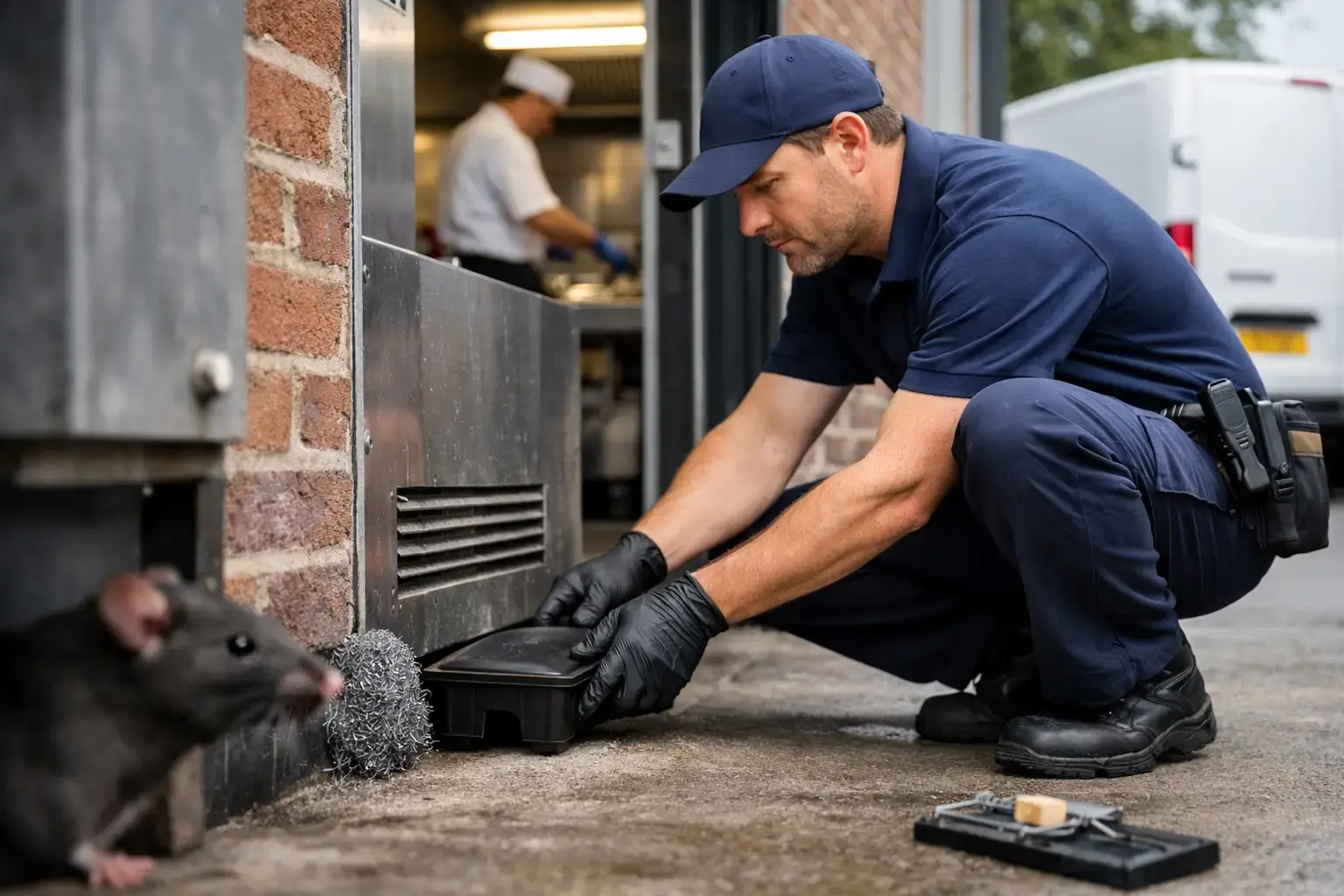
A rat seen near the bins or a mouse found beneath a prep counter is not a small maintenance issue. It can quickly become a food safety concern, a failed audit, lost stock and reputational damage. Effective rodent proofing for restaurants stops pests gaining access in the first place, rather than relying on repeated treatment after the damage is done.
For restaurants, cafés, pubs, takeaways and commercial kitchens, prevention must work around real operating conditions: frequent deliveries, open doors, food waste, drains, shared service areas and busy staff. The right approach is practical, site-specific and checked regularly.
Rodent Proofing for Restaurants Begins With an Inspection
Proofing should never be a guesswork exercise. Before sealing a gap, establish which rodent is present, where it is entering, what is attracting it and whether there is active activity inside the building.
Mice can enter through an opening as small as 6mm. Rats need more room, but they are strong climbers, capable gnawers and confident around drainage routes. A gap beneath a rear door, an unsealed pipe opening or a damaged air brick can be enough to create a regular route into food areas.
A professional survey looks beyond the obvious. The external perimeter, bin storage, loading areas, plant rooms, ceiling voids, floor drains, delivery entrances and adjoining premises all need consideration. In a terrace of food businesses or a shared commercial unit, rodents may move between properties through voids and service routes. Proofing one kitchen while ignoring the connecting route can produce only a temporary result.
Signs such as fresh droppings, greasy rub marks, gnawing, disturbed insulation, footprints in dusty areas and damaged packaging help identify activity. The location of those signs matters. Droppings beside an external bin indicate a different control issue from signs behind a dishwasher or in a dry-goods store.
Find and Seal the Routes That Matter
The most effective proofing combines durable materials with sensible building maintenance. Foam alone is rarely a long-term answer. Rodents can chew it, and it may fail where pipes move or where water is present.
Common entry points around restaurant premises include:
- gaps around gas, water, waste and electrical services
- damaged door brushes, thresholds and roller-shutter edges
- cracked brickwork, broken mortar and holes behind signage
- uncovered vents, damaged air bricks and poorly fitted grilles
- gaps around extractor ducting, drainage pipes and external plant equipment
Small gaps around pipes should be sealed with suitable rodent-resistant materials, chosen for the surface and environment. Larger defects may need metal mesh, sheet metal, cement repair or a purpose-made cover. The aim is to prevent access without compromising ventilation, fire safety, drainage or the operation of essential services.
Doors deserve close attention. Back doors often remain open during deliveries, waste handling or hot weather, creating an easy opportunity for rodents to enter. A well-fitted brush strip or threshold seal can close the gap when the door is shut, but it cannot compensate for a door routinely being wedged open. Where airflow is needed, management should consider controlled alternatives rather than leaving a direct route into the kitchen.
Roller shutters, cellar doors and loading-bay entrances can also be vulnerable. Their size makes them difficult to seal completely, so the solution depends on how frequently they operate and the condition of the surrounding structure. A site survey can distinguish between a repair that will solve the issue and a cosmetic fix that rodents will bypass.
Control Food, Waste and Water
Proofing is only half the job. A restaurant can have excellent door seals and still attract rodents if food and water are easy to find outside or within the building.
External bins should have close-fitting lids and be positioned on a clean, hard-standing surface where possible. Overflowing bags left beside bins are a direct food source and can encourage rodents to investigate nearby doors, drains and wall voids. Waste storage areas need regular washing, with spillages removed rather than allowed to build up behind containers.
Inside, dry goods should be stored in sound containers or on shelving raised from the floor and set away from walls. This makes cleaning easier and allows staff to spot evidence of activity early. Damaged food packaging should be treated seriously, even where contamination is not obvious.
Water is just as relevant. Leaking pipework beneath sinks, condensation around refrigeration units and poorly maintained drains can provide a reliable supply. Rats are particularly associated with drainage systems, but a drain is not automatically the source of every infestation. A damaged drain, uncapped pipe or faulty gully may need specialist investigation before repairs are specified.
Cleaning routines should reach behind appliances, beneath fixed units where accessible and into the corners of stores. Crumbs and grease in hard-to-reach areas can sustain mice long after a visible food spill has been cleared.
Make Prevention Part of Daily Operations
Restaurant teams do not need to become pest controllers, but they do need clear responsibilities. The best proofing programme fails if a new hole is drilled for a cable and left unsealed, or if staff do not report a damaged door strip for weeks.
Managers should make pest observations part of normal opening and closing checks. Staff should know to report droppings, gnaw marks, unusual smells, damaged packaging and gaps around services immediately. They should not move evidence between areas or attempt to deal with an infestation using unapproved products.
Keep a simple record of sightings, repairs, checks and professional visits. This helps identify patterns, supports due diligence and gives a pest technician useful information during inspections. If activity occurs every Monday near the delivery entrance, for example, the timing may point to a specific operational cause rather than a general building defect.
Suppliers and contractors also have a role. Delivery doors should not be left open longer than necessary, and any contractor creating an opening through a wall, floor or ceiling should reinstate the seal once work is complete. In older properties, particularly those with multiple alterations over time, service penetrations are frequently overlooked.
Why Treatment and Proofing Must Work Together
If rodents are already active inside a restaurant, proofing every visible gap immediately can sometimes be the wrong order of work. Blocking an active rodent route without assessing the infestation may leave animals trapped in voids or encourage them to find another route through the building.
This is why professional control combines inspection, targeted treatment where required, monitoring and proofing in a planned sequence. The appropriate method depends on the species, level of activity, layout of the premises, food handling areas and risk to non-target wildlife. A responsible programme does not rely on placing products and hoping for the best.
Modern monitoring systems can help identify activity quickly and provide a clearer picture of where rodents are moving. They are particularly useful for commercial sites that need documented checks, discreet monitoring and early warning before a minor issue becomes a serious infestation.
At AZ Environmental Service Pest Control, restaurant proofing is designed around the building and how the business actually operates. That means identifying the weak points, recommending practical repairs and putting controls in place that support hygiene standards without disrupting service.
Check Proofing After Weather, Repairs and Seasonal Change
Rodent pressure is not fixed. Colder weather can push rodents towards warm buildings, while heavy rain may disrupt outdoor harbourage and drainage routes. Building works, nearby demolition, changes to waste collections and a new neighbouring food business can all alter the risk.
Review the exterior after storms, maintenance work or changes to the premises. Look for shifted grilles, damaged brickwork, gaps around new pipework and door seals that no longer meet the threshold. A quick check at the right time is cheaper and less disruptive than responding to an infestation during a busy service.
For restaurants in Stockport and across Greater Manchester, a professional proofing survey provides a clear starting point when rodent activity is recurring or the source is unclear. The strongest protection is a building that gives rodents no easy route in, no dependable food source and no quiet place to settle.