

Blog
AZ Pest Control LTD Proffessional Rodent Control Techniques
AZ Pest Control have been carrying out proffessional rodent Control for over 27 years. Every treatment starts with a survey of the property, this is one of the most crucial parts of any treatment as we need to find where any potential ingress poins may be.
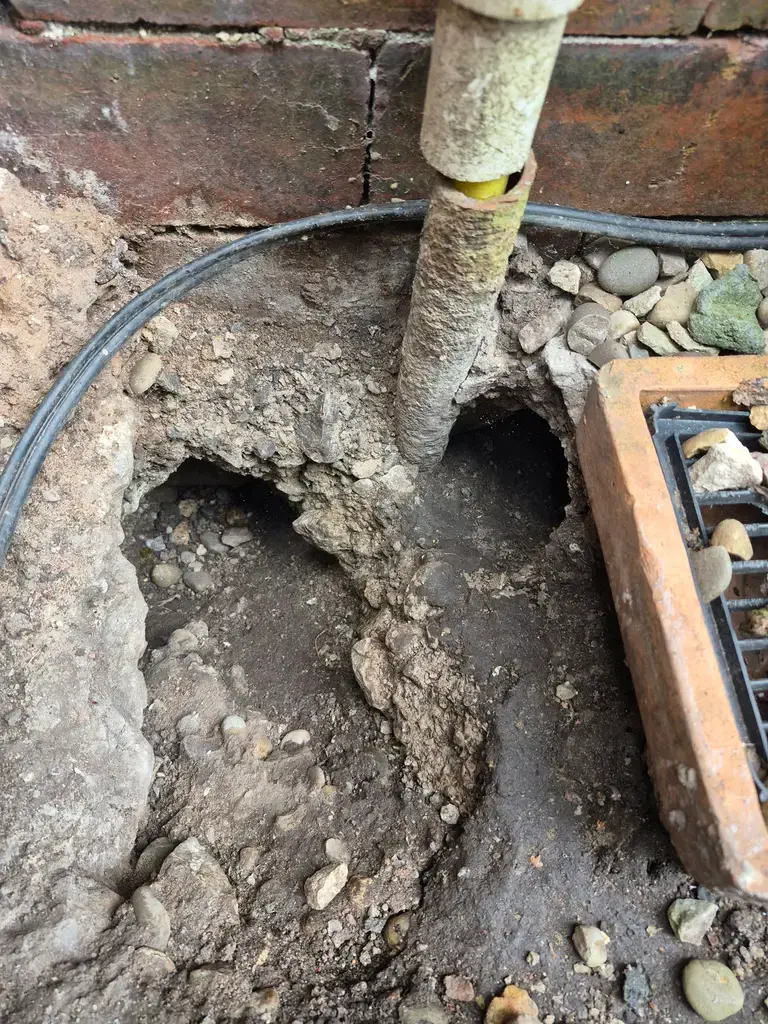
This can included surface areas of the property or possible drainage issues. It can even be the property next door.
We firstly identify the pest,then decide on the best control solutions, this could be a trapping only treatment to ensure that no rodent bodies will die in any inaccessible areas. We have a large range of different traps to suit every occasion.
We do have the option to use rodenticides if required, and each vehicle has a Katie selection of products available for use in the right conditions.
Before we start we carry out an environmental risk assessment, this is to ensure that no secondary poisoning can occur to any none target species.
If we can safely justify the use of proffessional rodenticides we can use this as an option if we need to.
Trapping treatments get carried out over periods of 7 days so we can return to inspect our traps and remove any dead rodents from the area, before they start to decompose.
Poison treatments can last up to 21 days, all depending on the situation and the requirements at the site that is having an issue.
Every job is different this is why our surveys decide on what plan of action is required for each individual job.
The first sign of any infestations could start with any of the following.
A scratching sound behind a kitchen unit, droppings in a cupboard or damaged food packaging can quickly turn into a serious concern. Effective rodent control is not simply about removing the rats or mice you can see. It means finding how they entered, identifying where they are feeding and nesting, and putting practical measures in place to stop the problem returning.
For homeowners, landlords and businesses, delaying action can make an infestation harder and more expensive to resolve. Rodents reproduce quickly, contaminate food areas and can damage wiring, insulation, stored goods and parts of a building that are difficult to inspect. A professional response brings the issue under control safely, discreetly and with a clear plan for prevention.
Why rodents are rarely a one-off problem
Rats and mice are highly adaptable. A property does not need to be unclean for rodents to gain a foothold. They are attracted by warmth, shelter, water and a reliable food source, all of which can be available in well-kept homes, warehouses, cafés, offices and rental properties.
Mice can enter through very small gaps around pipework, utility cables, air bricks and damaged door seals. Rats often exploit broken drains, gaps beneath sheds, defective gullies, overflowing bins or openings around extensions and outbuildings. Once inside, they tend to travel along walls, beneath floor voids and through cluttered storage areas where activity can remain hidden.
This is why a single trap or a shop-bought bait product may not solve the underlying problem. You might catch one rodent while others continue to access the building through the same route. Lasting results depend on treatment and proofing working together.
Signs you need professional rodent control
The most obvious sign is fresh droppings. Mouse droppings are small and pointed about the size of a grain of rice, while rat droppings are larger and more rounded. Their location matters as much as their appearance. Droppings near food cupboards, under appliances, in loft spaces or along wall edges can help indicate where rodents are travelling.
You may also hear scratching, gnawing or scurrying, particularly at night when rodents are most active. Other warning signs include shredded paper or fabric used for nesting, grease marks along walls and pipes, unexplained holes in bags or packaging, and a stale odour in enclosed spaces.
For commercial premises, evidence may be found during routine cleaning or stock checks. A damaged box in a storeroom, droppings beneath shelving or gnawed cables in a plant room should be treated as a hygiene and operational concern, not a minor inconvenience. Businesses handling food, serving the public or managing sensitive stock need a prompt, documented response.
What professional rodent treatment should involve
A reliable service starts with a proper survey. The technician should identify the likely species, assess the scale of activity and inspect the areas that could be supporting the infestation. This includes likely entry points, drainage concerns, external harbourage and internal food or water sources.
The treatment plan should then match the property and the risk involved. A family home with pets and children needs a different approach from a food premises, managed block or industrial unit. Professional technicians use controlled methods and tamper-resistant equipment where appropriate, with placement based on rodent behaviour rather than guesswork.
Treatment is usually not completed in a single visit. Follow-up inspections are essential to monitor activity, remove any remaining evidence and confirm that control measures are working. Where rodents have been active in inaccessible areas, monitoring technology can provide a more accurate picture than relying on occasional visual checks alone.
At AZ Environmental Service Pest Control, rodent proofing is approached as an end-to-end solution: identify the cause, treat active activity, then reduce the conditions that allowed the infestation to develop. That focus is particularly valuable where previous attempts have failed or rodents keep returning.
Treatment is only one part of the solution
Rodenticide can be a necessary and effective tool, but it should be used responsibly and as part of an integrated plan. The aim is not to place products everywhere. It is to use the right control measures in the right locations, while reducing unnecessary risk to people, pets and non-target wildlife.
Proofing is often the decisive stage. Depending on the findings, this may involve sealing gaps around services, repairing damaged vents, fitting Raxit strips to doors, securing access beneath structures or addressing faults in external drainage. Some defects need attention from a builder, plumber or drainage specialist, but identifying them early prevents treatment from becoming a repeating cycle.
Rodent control for homes, landlords and businesses
The priorities differ from one property to another. In a home, the immediate concern may be protecting the kitchen, loft or children’s bedroom from further activity. In rental accommodation, landlords need a clear record of the issue, timely treatment and practical advice on maintenance responsibilities.
For commercial sites, rodent control needs to support hygiene standards, staff safety and business continuity. A visible rodent issue can damage customer confidence, create stock losses and lead to serious compliance concerns. Discretion also matters. Unmarked service vehicles and planned visits help businesses deal with pest issues without drawing unwanted attention.
Larger or more complex premises benefit from ongoing pest management rather than a reactive call-out alone. Regular inspections, trend reporting, digital monitoring and proofing recommendations help catch early activity before it becomes a full infestation. This is especially useful for restaurants, warehouses, care settings, retail sites and properties with multiple tenants.
Practical steps that reduce rodent pressure
Good housekeeping supports professional treatment, but it cannot replace it where there is established activity. Focus on removing easy access to food and shelter. Keep dry food in sealed containers, clear crumbs from beneath appliances, avoid leaving pet food out overnight and keep bins closed.
Outside, reduce dense vegetation against the building, keep stored materials raised where possible and avoid allowing rubbish to build up around sheds or rear access points. Bird feeding can also attract rodents when seed spills onto the ground, so use trays and clean up fallen food regularly.
Check vulnerable areas after building work, storm damage or drainage repairs. New cable routes, pipework and alterations to garages or extensions can create gaps that were not there before. A small opening can be enough for mice, while a damaged drain can provide rats with a concealed route into a property.
When to act
Do not wait for repeated sightings before arranging an inspection. One rodent seen indoors can indicate a larger hidden issue, particularly if you have noticed droppings, noises or signs of gnawing. The sooner entry routes and harbourage are identified, the more straightforward it is to protect the building.
For properties in Stockport and the surrounding area, a qualified local technician can assess the evidence, explain the treatment clearly and provide realistic prevention advice. The right rodent control service should leave you with more than a short-term reduction in sightings. It should give you confidence that the source of the problem has been properly addressed.
If rodents are affecting your home, rental property or business, act while the signs are still limited. A focused survey and professionally managed treatment can prevent a small access issue from becoming a larger, more disruptive infestation.