

Blog
Restaurant Pest Management Checklist
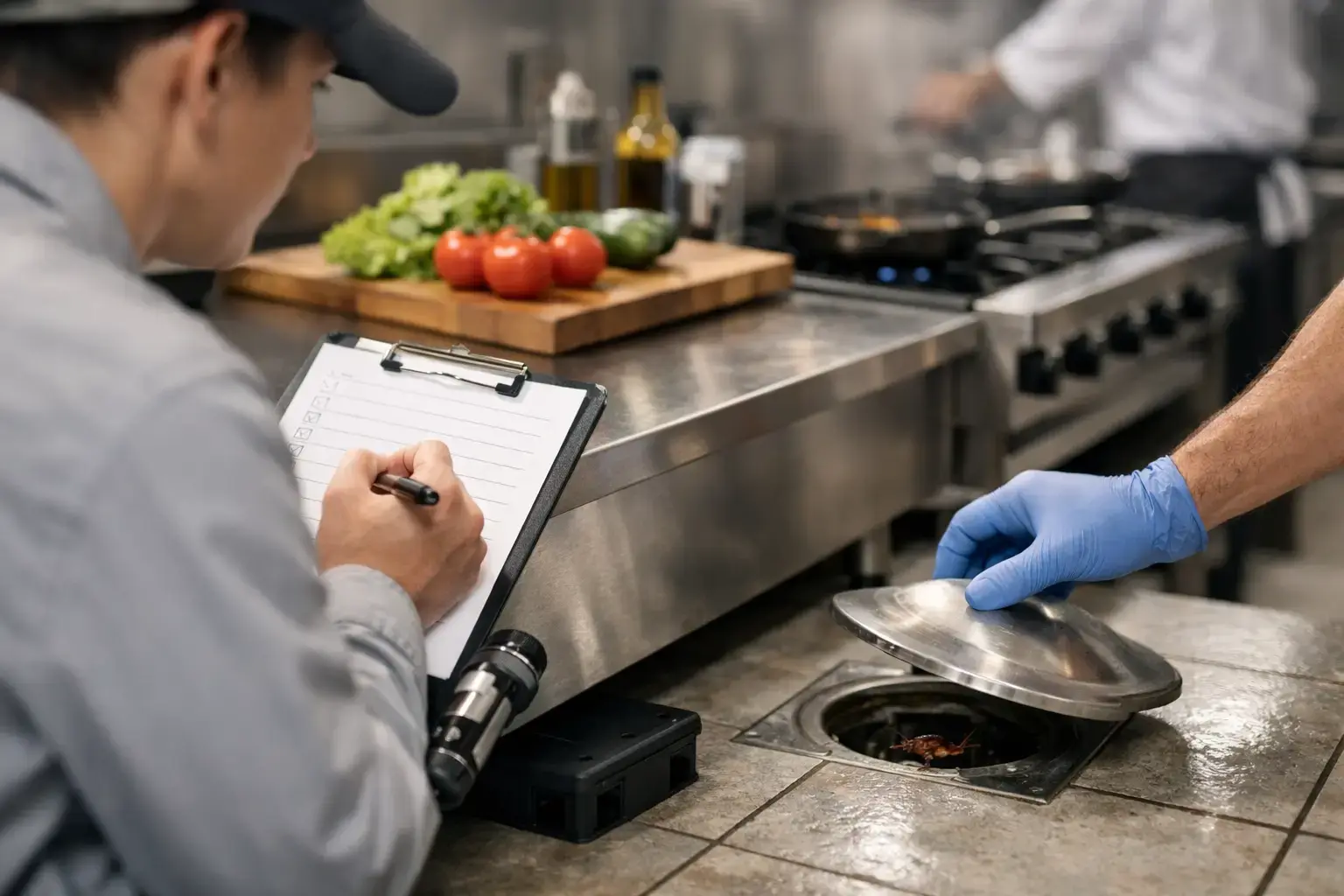
A single mouse sighting in a restaurant can turn into a failed audit, lost stock and damaged reputation faster than most operators expect. That is why a proper restaurant pest management checklist matters. It is not just a hygiene exercise for inspection day - it is a practical system for protecting food, premises, staff confidence and customer trust.
For restaurant owners, managers and kitchen teams, pest control works best when it is built into daily operations rather than treated as a one-off emergency. The sites that stay ahead of problems are usually not the ones spending the most on reactive call-outs. They are the ones checking the right areas, spotting warning signs early and fixing conditions that attract pests in the first place.
What a restaurant pest management checklist should cover
A useful checklist should do three jobs. First, it should help your team identify activity early. Second, it should reduce the food, water and shelter pests rely on. Third, it should create a record that shows you are taking prevention seriously.
That record matters. If you run a busy kitchen, pub restaurant, takeaway or café, there is always pressure on time. Cleaning gets done, deliveries get put away and bins get moved, but unless checks are consistent, small issues can be missed. A gap under a rear door, a leaking pipe behind a sink or stock stored too close to a wall can all create the conditions for an infestation.
The exact checklist will vary by site. A city centre takeaway with frequent late-night deliveries faces different risks from a restaurant with outdoor dining, cellar storage or neighbouring retail units. The principle stays the same - pest management has to be site-specific, routine and actionable.
Daily restaurant pest management checklist
Daily checks should focus on the areas where pest pressure develops fastest. Food preparation zones need particular attention. Crumbs under equipment, grease build-up behind cook lines and waste left in bins overnight are all common attractants for rodents and crawling insects.
At the start and end of each day, staff should look for fresh droppings, gnaw marks, insect activity, unusual smells and signs of tampering around monitoring points or bait stations if these are part of your pest programme. Floors should be cleaned properly under movable equipment, not just the visible open areas. Staff should also check that food is sealed, labelled and stored off the floor.
Wash-up areas are another weak point. Moisture attracts pests just as much as food does, especially where drains, damaged seals and standing water are involved. If your team notices slow drainage, leaks or pooling water, that should go on the same action log as any visible pest sign. Prevention is rarely just about the pest itself. It is often about maintenance.
Waste handling deserves daily discipline as well. Internal bins should be emptied regularly, lids should close fully and external bins should not be left overflowing or uncovered. If trade waste areas are poorly managed, they will draw activity towards the building.
Weekly checks that prevent long-term problems
Daily checks catch obvious issues. Weekly checks are where you find the patterns that lead to recurring infestations.
Storage areas should be reviewed carefully. Dry goods should be rotated, older stock used first and damaged packaging removed immediately. Pests often enter with deliveries or go unnoticed in low-traffic storage spaces. Flour, grains, spices and pet food in mixed-use premises are especially vulnerable to stored product insects.
A weekly inspection should also include the building fabric. Look at door sweeps, air bricks, pipe entry points, damaged vents and cracks around external walls. Rodents need surprisingly little space to gain entry. If a gap can be used, sooner or later it usually will be.
This is also the right time to review housekeeping standards beyond the kitchen. Front-of-house areas, staff lockers, break spaces and basement stores can all provide food debris and shelter. In many restaurants, pest pressure starts where standards are assumed rather than checked.
Deliveries, storage and stock control
One of the most overlooked parts of any restaurant pest management checklist is goods-in procedure. If deliveries are accepted without inspection, pests can be introduced directly into the building. Outer packaging should be checked for holes, webbing, droppings and signs of contamination before stock is taken into clean storage areas.
Cardboard should not be allowed to build up unnecessarily. It offers harbourage for insects and creates clutter that makes inspection harder. Where possible, stock should be decanted into sealed, pest-resistant containers and organised with enough space for cleaning and monitoring.
There is a balance to strike here. Fast-moving kitchens sometimes prioritise convenience over ideal storage layout, especially where space is limited. That is understandable, but cramped stores and overfilled shelves make pest issues harder to spot. If your site has limited room, stricter rotation and more frequent checks become even more important.
Waste areas, drains and external risk points
Many infestations begin outside the main kitchen. Rear yards, bin compounds, drainage channels and delivery access points are high-risk zones because they combine food residue, moisture and cover.
External waste areas should be kept clean, with lids shut and containers positioned so that spillages can be cleaned behind and underneath them. Grease waste should be managed carefully, and any persistent odour near bin storage should be investigated rather than masked.
Drains deserve close attention. Cockroaches, flies and rats all exploit drainage issues. If there is recurring insect activity near floor drains or a sudden increase in odour, a specialist inspection may be needed. This is especially relevant in older premises where pipework routes and hidden voids are less straightforward.
Outdoor seating can also increase exposure. Food dropped between decking boards, planters close to the building and poorly maintained lighting can all contribute to pest pressure. The answer is not to remove customer-friendly spaces, but to manage them with the same discipline as indoor areas.
Staff training and reporting standards
A checklist only works if staff know what they are looking for and what happens after they report it. Teams should understand the common warning signs of rodents, cockroaches, flies and stored product pests. They should also know that reporting a concern early is the correct response, not a sign that they have failed.
In practice, the strongest sites make pest awareness part of routine induction and refresher training. Kitchen porters, chefs, cleaners and front-of-house staff all notice different things. The more clearly reporting lines are defined, the less chance there is of a warning sign being ignored.
It also helps to keep records simple. If reporting feels overcomplicated, it gets skipped. A straightforward site log with dates, locations, signs observed and actions taken is usually enough to support internal control and professional pest management visits.
When a checklist is not enough on its own
A checklist is a prevention tool, not a substitute for expert treatment. If there are repeated sightings, signs of nesting, unexplained stock contamination or ongoing activity despite cleaning and proofing efforts, the issue has moved beyond routine internal checks.
That is where professional support becomes essential. A specialist commercial pest controller will do more than place traps or bait. They should identify access routes, pressure points, harbourage areas and operational weaknesses, then build a treatment and prevention plan around how your restaurant actually runs.
For many operators, that is the real value. The problem is solved properly, with discretion and with minimal disruption to service. In food businesses, speed matters, but accuracy matters just as much. The wrong treatment approach can prolong the issue or create avoidable compliance risks.
Businesses across Stockport and the wider area often need support not because they have ignored the signs, but because pests exploit the realities of busy commercial sites. Deliveries, heat, moisture, waste and constant movement all create opportunity. Good pest management is about closing those opportunities quickly.
A practical standard to aim for
The best version of a restaurant pest management checklist is one your team will actually use. It should be clear, specific to the building and tied to action, not just paperwork. If something is found, there should be no doubt about who deals with it, how it is recorded and when outside help is called.
At AZ Environmental Service Pest Control, that practical approach is what matters most. Restaurant operators do not need theory when there is active pest pressure on site. They need qualified advice, discreet service and a solution that holds.
A well-run restaurant never stays static. Menus change, staff change, suppliers change and the building itself changes over time. Your pest checks should keep pace, because the best time to deal with a pest problem is before your customers ever know it existed.