

Blog
Restaurant Pest Control Case Study for Kitchens
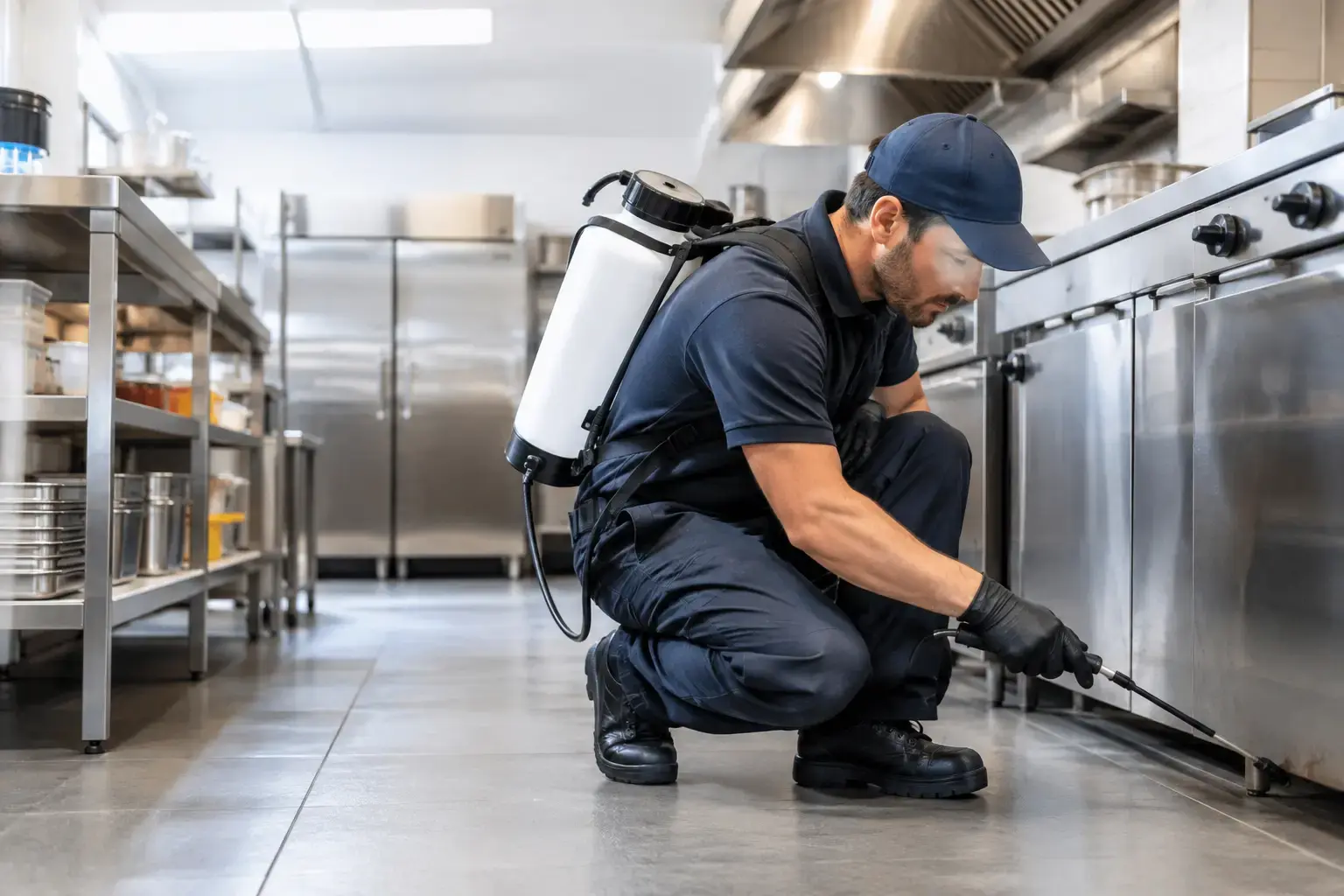
A restaurant pest control case study is rarely about a single sighting. By the time a team member notices droppings beneath a sink, gnawing around dry-store packaging or a cockroach near a warm appliance, the conditions allowing pests to thrive may already have been present for weeks. In a food business, that demands a fast response that protects hygiene standards without disrupting service.
This case study reflects the type of discreet commercial pest control work required in a busy independent restaurant. Names and identifying details are withheld, but the operational issues, inspection process and prevention measures are directly relevant to restaurant owners and managers across Stockport and Greater Manchester.
The problem: signs behind the scenes
The restaurant was trading normally, with no customer complaints and a clean front-of-house area. The warning signs were confined to back-of-house areas: small rodent droppings near a dry-goods store, damaged food packaging and a light scratching sound reported around closing time.
The manager had already taken sensible action. Open food had been moved into containers, affected stock had been removed and cleaning routines had been increased. However, cleaning alone cannot resolve an active rodent problem where there is a route into the building, harbourage close by and regular access to food.
The central concern was not simply removing rodents. The restaurant needed to maintain food safety controls, protect its reputation, avoid unnecessary closure and demonstrate that a professional, documented response was in place.
Restaurant pest control case study: the site survey
A proper restaurant survey starts outside. Rodent activity indoors often begins with an overlooked route at ground level, such as a damaged air brick, a gap around pipework, an ill-fitting rear door or drainage defects. Treating inside only may reduce activity temporarily, but it leaves the source of the problem untouched.
The inspection covered the external perimeter, bin storage, delivery access, kitchen, dry store, staff areas, suspended ceiling voids and service penetrations. Particular attention was paid to areas that are warm, quiet or difficult to clean behind, including refrigeration motors, cooking equipment and fixed cabinetry.
Several contributing factors were identified. A gap around a utility pipe provided potential access from the rear of the premises. Stock was stored close to walls in a way that limited inspection and cleaning. A small amount of food debris was also found beneath equipment that could not be moved during the normal end-of-shift clean.
None of these points alone would necessarily cause a serious infestation. Together, they created an opportunity. This is why a survey must look beyond the immediate evidence and assess how pests are entering, feeding and moving through the premises.
Why the first response was not a scattergun treatment
In a restaurant, indiscriminate bait placement is not good pest management. Any treatment has to be appropriate for a food-handling environment, positioned safely, recorded clearly and supported by practical proofing and hygiene measures.
The treatment plan was based on the activity found and the layout of the premises. Secure, tamper-resistant monitoring and control points were installed in suitable locations away from food preparation. Internal monitoring focused on likely runs and concealed areas rather than placing products throughout the kitchen. The external area was included because controlling activity at the boundary reduces the chance of repeated entry.
This approach also gave the manager a clear audit trail. Each point was mapped, numbered and checked during follow-up visits, allowing the restaurant to show what had been found, what action had been taken and whether activity was reducing.
A tailored plan that worked around service
The restaurant could not afford a visibly disruptive visit during peak trading. Service times, delivery schedules and kitchen preparation all shaped the plan. Visits were arranged at quieter periods, and the work was carried out discreetly so the team could continue operating with minimal interruption.
AZ Environmental Service Pest Control uses unmarked electric vehicles for this type of commercial work, helping businesses manage a sensitive issue professionally without drawing attention at the premises.
The immediate programme had three parts: targeted control, proofing recommendations and changes to day-to-day prevention. The restaurant was advised to seal the identified pipe entry using suitable durable materials, improve the door threshold at the rear access point and move stored goods slightly away from walls where practical. This created visible inspection space and made signs of activity easier to spot.
The kitchen team also adjusted its closing procedure. Instead of relying on a general clean-down, the revised routine included checks beneath movable equipment, prompt removal of food debris, secure storage of dry ingredients and confirmation that waste was contained before the premises was closed. These are small operational changes, but their value is cumulative.
The trade-off: speed versus certainty
Restaurant managers naturally want a pest problem gone immediately. A rapid reduction in activity is a reasonable expectation, but certainty comes from follow-up evidence, not one visit alone. Rodents may avoid new objects temporarily, and fresh signs can appear while established routes are being interrupted.
For that reason, the programme included scheduled inspections. At each visit, monitoring points were checked, activity levels assessed and the proofing work reviewed. The findings guided the next action. If evidence had continued, the investigation would have widened to drainage, adjacent units or additional structural defects. Pest control should respond to what the evidence says, not follow a fixed script.
Results: control supported by prevention
Early follow-up checks showed a clear reduction in activity. No new damage to packaging was found, and the restaurant team reported no further noises after closing. Once the access point was sealed and storage routines improved, signs of rodent movement stopped.
The lasting result was not just an absence of visible pests. The premises had a stronger system for preventing recurrence: documented monitoring, clearer cleaning responsibilities, safer stock storage and a better understanding of the external risks around the building.
That distinction matters. A restaurant may appear pest-free after a treatment, but if gaps, food sources and inaccessible cleaning areas remain, it is vulnerable to the next pest that finds its way in. Effective commercial pest control is control plus prevention.
What restaurant managers can take from this case study
The main lesson is to act on the first credible sign. A single dropping, damaged packet or recurring fly issue does not automatically mean a major infestation, but it does justify investigation. Waiting for repeated sightings can turn a manageable job into a larger hygiene and operational risk.
It also pays to involve the right people. Kitchen staff see the premises at the start and end of every shift, cleaners understand hard-to-reach areas, and managers control stock, waste and maintenance decisions. A pest programme works best when these routines support the treatment plan.
For landlords and property managers, responsibilities can be more complex. Access gaps, drains, shared bin areas and defects in communal structures may sit outside the restaurant operator's direct control. Clear reporting and early communication are essential, particularly where adjoining properties could affect the outcome.
When to call a professional
Professional support is appropriate when there is evidence of rodents, cockroaches, stored-product insects, persistent flies or birds affecting food premises. It is especially urgent where pests may have contaminated food, packaging, preparation areas or equipment.
A qualified pest controller can identify the pest correctly, assess the likely source, put safe controls in place and provide the documentation a commercial operator needs. The best outcome is a programme that fits the site, respects trading hours and addresses the reasons the pest was there in the first place.
A clean, well-run restaurant should never have to gamble on a pest issue becoming visible to customers. Deal with the first sign properly, keep records, close the access points and make prevention part of the working day.