

Blog
Restaurant Pest Audit Example You Can Use
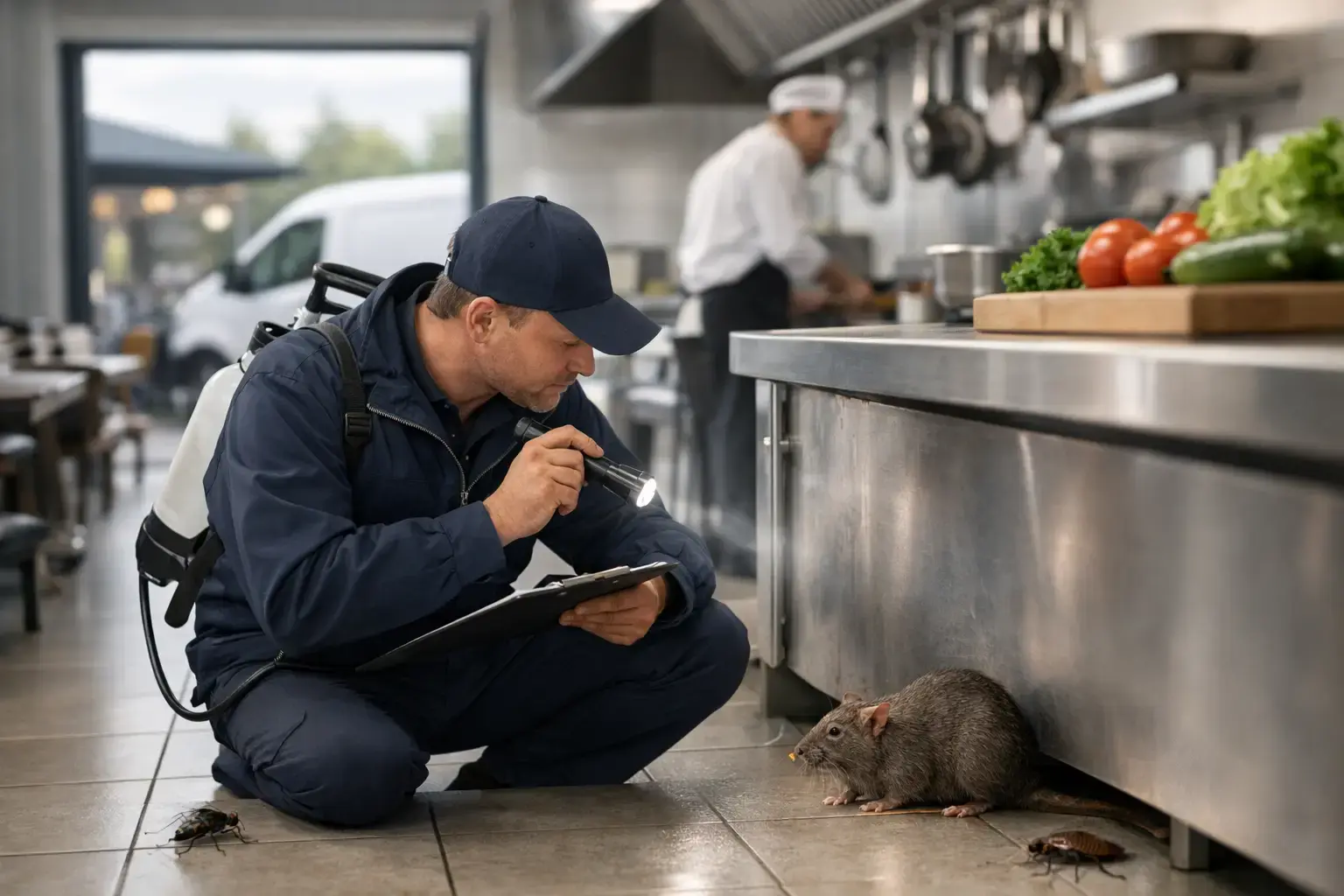
A failed pest audit rarely starts with a rat in the kitchen. More often, it starts with a gap under a back door, a missed cleaning record, a cluttered dry store or a fly unit that has not been serviced on time. That is why a clear restaurant pest audit example is useful - it shows where real risks sit, what an inspector or pest technician is likely to notice, and how to put problems right before they affect hygiene, reputation or trading.
For restaurants, cafés, takeaways and commercial kitchens, pest control is not just about reacting to activity. It is about proving that risks are understood, monitored and managed. A good audit does exactly that. It tests the building, the routines and the records, because pests exploit weak systems as much as weak structures.
What a restaurant pest audit is really checking
A restaurant pest audit is not simply a walk-through looking for droppings or gnaw marks. It is a structured review of how vulnerable the site is to rodents, crawling insects, flies and birds, and whether the business has suitable controls in place.
In practice, the audit usually covers four areas. First is proofing - the physical condition of the building and whether pests can get in. Second is hygiene - whether food debris, grease, standing water or poor waste handling are creating food and harbourage. Third is monitoring - the traps, stations, fly control units and inspection points on site. Fourth is documentation - the service reports, trend analysis, site plans and corrective actions that demonstrate ongoing control.
That last point matters more than many operators realise. Even where activity is low, poor records can still create compliance issues. If a technician has flagged damaged door seals for three visits in a row and nobody has acted, the site remains exposed.
Restaurant pest audit example: what a typical review looks like
Below is a realistic restaurant pest audit example based on the kind of issues commonly found in working food premises.
Site profile
The business is a mid-sized restaurant with dine-in service, a rear delivery entrance, kitchen extraction, internal dry storage, a chilled prep area, staff welfare space and an external bin store.
The site has a pest control contract in place, with routine inspections, rodent monitoring points, insect monitoring in key areas and an electric fly control unit near the rear corridor. No major infestation is reported at the time of audit, but there have been occasional sightings of flies in the wash-up area and a historic mouse issue near the bin store.
Audit findings
The front-of-house area is generally clean and well presented. No immediate pest evidence is found. Tables, skirting edges and drink dispense areas are in good order.
The kitchen presents a mixed picture. Food preparation surfaces are clean, but there is grease build-up behind cooking equipment and food debris under a low-level storage rack. These are not signs of infestation on their own, but they do create conditions that make pest activity more likely.
In the dry store, stock is mostly racked off the floor, though several open ingredient bags are poorly sealed. There is also unnecessary cardboard build-up in one corner. Cardboard gives crawling insects places to hide and can make inspection more difficult.
The rear delivery door has visible daylight at threshold level. This is a common issue and one of the easiest ways mice gain access. The external bin area is serviceable, but the lids on two bins are not fully closed and the ground has food waste residue around the base.
The fly control unit is operational, but the service sticker shows it is overdue for maintenance. Tubes and glue boards need to be changed to keep the unit effective. Staff pest sighting records are incomplete, and the last two technician reports include recommendations for proofing works that have not yet been completed.
Audit outcome
This site would not be classed as heavily infested, but it would still be marked as at risk. The main reasons are poor rear door proofing, inconsistent waste control, overdue fly unit servicing and incomplete follow-up on previous recommendations. In other words, the business is not in crisis, but it is leaving avoidable gaps.
What auditors and pest professionals look for first
The most experienced inspectors tend to start at entry points, waste areas and quiet harbourage zones. That is because pests follow simple patterns. They need a way in, a food source, water and somewhere undisturbed.
For rodents, the attention is usually on door gaps, broken air bricks, damaged drains, service penetrations and external housekeeping. For flies, the focus shifts towards drains, waste storage, spillages, warm humid areas and whether fly units are correctly placed and maintained. For stored product insects, stock rotation, packaging condition and cleanliness inside shelving become more important.
A kitchen can look tidy at first glance and still fail under audit because the detail is wrong. A single gap, repeated moisture issue or unmanaged recommendation can undermine an otherwise decent standard.
How to score the example and decide what needs fixing first
Not every fault carries the same weight. A sensible audit looks at risk, not just appearance.
The rear door gap in this restaurant pest audit example is a high-priority issue because it gives direct access to rodents. The overdue fly unit service is medium to high priority depending on fly pressure and the location of the unit. Open food packaging and cardboard storage are medium priority because they encourage pests and reduce visibility during inspection. Incomplete records are also significant, particularly where due diligence needs to be demonstrated.
This is where many businesses get frustrated. They assume pest control begins and ends with bait stations. In reality, the strongest pest management programmes are built on fast corrective action. If proofing and hygiene issues stay unresolved, treatment alone will never be the full answer.
Turning audit findings into a workable action plan
The right response is practical, not theatrical. Start with access points. If a door is not sealing properly, fit a suitable brush strip or threshold seal and check the frame condition. If service holes around pipework are open, seal them correctly with materials suited to commercial use.
Then move to housekeeping. Deep clean behind fixed equipment, remove unnecessary cardboard, improve stock storage and make sure all ingredients are kept in sealed containers where appropriate. Review the external bin area as well. Bins should close properly, be positioned sensibly and the surrounding ground should be cleaned often enough to avoid residue build-up.
After that, bring monitoring equipment back into line. Service fly control units on schedule, replace consumables, update site plans and ensure all monitoring points are accessible. Finally, tighten documentation. Staff should know how to report sightings, managers should sign off actions, and technician recommendations should not sit unresolved visit after visit.
Why one-off checks are not enough
A restaurant can pass a visual inspection one month and have a problem the next. Deliveries change, temperatures rise, waste volumes increase and maintenance slips. Pest risk is always moving.
That is why regular inspections matter. A proper programme tracks trends, not just incidents. If low-level mouse activity appears near a rear entrance in two consecutive visits, that points to a structural issue or housekeeping weakness. If flies increase during warmer weeks, drainage, waste frequency or door discipline may need attention.
This is also where specialist support earns its place. A capable commercial pest partner does more than put devices on a wall. They identify patterns, prioritise risks and make recommendations that help the site stay compliant and operational.
When a restaurant should ask for a professional audit
Some triggers are obvious, such as repeated sightings, failed inspections or contamination risk. Others are quieter but just as important. A restaurant should consider a professional audit when it has changing staff, recurring fly problems, structural works, poor historic records or recommendations that never seem to get closed out.
The same applies before a new opening, after refurbishment or when taking over a site with an unknown pest history. These are points where hidden vulnerabilities often come to light.
For operators in and around Stockport, working with a local specialist means faster site understanding and practical advice grounded in how commercial properties in the area are built and used. AZ Environmental Service Pest Control supports restaurants and other food businesses with discreet, professional pest management designed to solve problems before they escalate.
A better way to use a restaurant pest audit example
The value of a restaurant pest audit example is not in copying a form line by line. It is in recognising how small faults combine. A door gap on its own may seem minor. Add poor waste handling, missed servicing and weak records, and the risk picture changes quickly.
The best audits are honest, specific and followed by action. If your site has recurring weak points, deal with them while they are still manageable. A clean report is useful, but a site that is genuinely harder for pests to exploit is what protects your kitchen, your staff and your reputation.