

Blog
How to Remove Pests From Loft Spaces
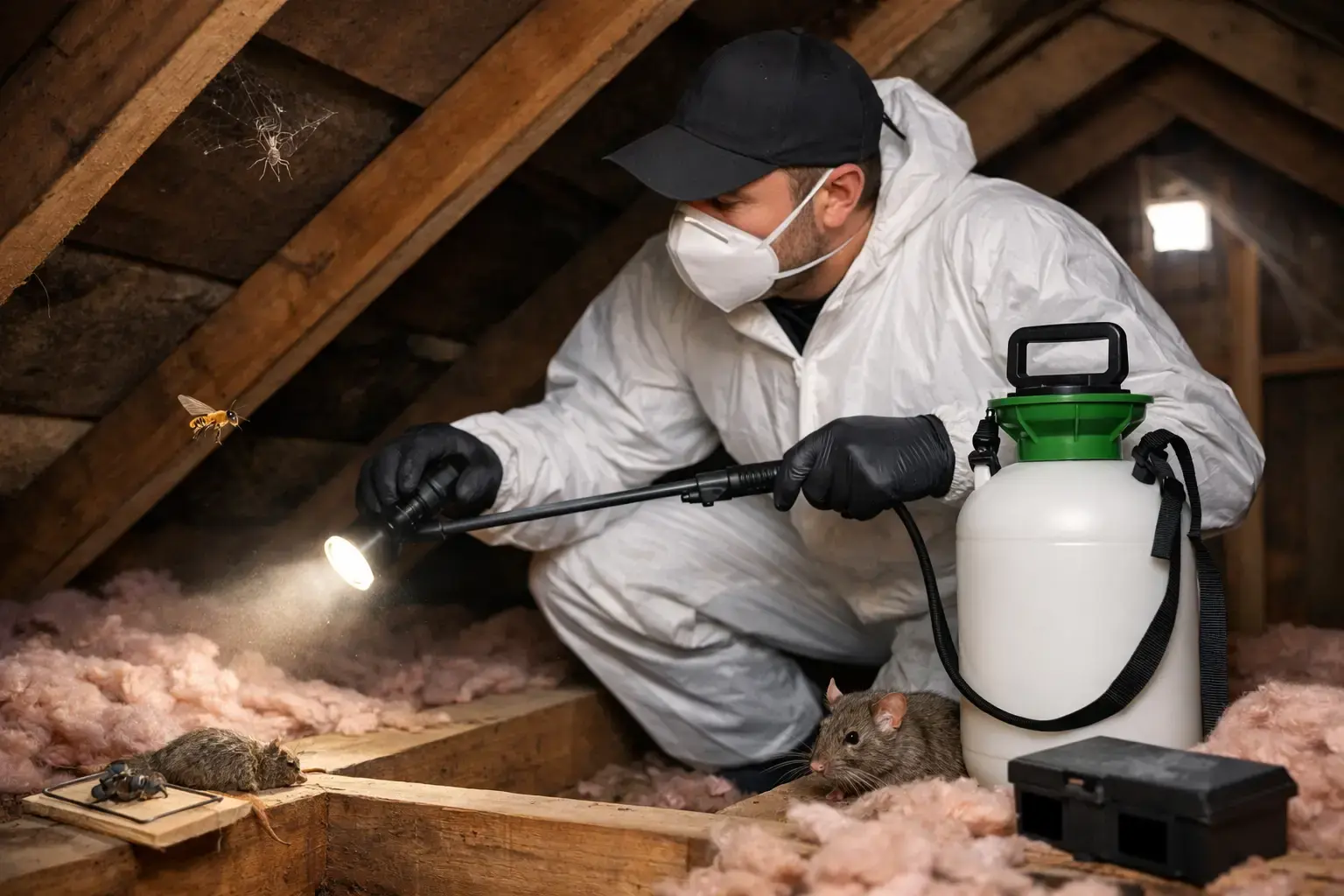
Hearing scratching above the ceiling at night usually means one thing - something has moved into the loft and it will not leave on its own. If you need to remove pests from loft areas, speed matters. What starts as a bit of noise can quickly turn into damaged insulation, chewed wiring, foul smells and a much bigger treatment job.
Loft infestations are common because they offer warmth, shelter and very little disturbance. Once pests find a way in, they often settle in behind stored items, under insulation or around the eaves where they are hard to spot. The right response is not just about getting rid of what is there now. It is about identifying the species properly, treating it safely and stopping the problem from returning.
Why loft pest problems get worse quickly
A loft is one of the easiest places in a property for pests to stay hidden. Homeowners often only go up there occasionally, and by then the infestation may already be established. Rats and mice breed quickly, birds can bring nesting materials and parasites, and insects can spread through insulation and timber before anyone notices.
There is also the risk factor. Rodents can contaminate insulation and stored belongings with urine and droppings. They may gnaw cables, pipe lagging and timber. Birds in loft voids can create heavy fouling and persistent odours. Wasps can build nests in roof spaces that become a serious issue in warmer months. In some cases, bats may be suspected, and that changes the approach entirely because they are protected and cannot be disturbed without the correct process.
This is why loft pest control should never be reduced to a quick DIY fix. The treatment depends on what is present, how long it has been there and how it is accessing the building.
How to remove pests from loft spaces properly
The first step is always identification. Scratching at night often points to rats or mice, but not always. Pigeons, squirrels, insects and even wasps can all create activity in or around a loft. Droppings, nesting materials, grease marks, strong ammonia smells and visible entry points all help build the picture.
A proper survey matters because different pests need different control methods. Rodent control may involve targeted baiting, trapping, proofing and monitoring. Bird issues may require removal of nesting material where lawful and safe, followed by proofing works. Insect infestations may need direct treatment to the nest or affected area. If the infestation is advanced, the clean-up and hygiene side of the job becomes just as important as the initial treatment.
The second step is access control. You can remove the current pest activity, but if broken tiles, gaps in soffits, defective vents or unsealed pipe runs are left open, the issue often comes back. Effective loft pest control is a combination of treatment and proofing. One without the other is often only a temporary answer.
The third step is aftercare. A good treatment plan should consider follow-up visits, confirmation that activity has stopped and advice on keeping the loft less attractive to pests in future. In some cases, especially with larger properties or recurring commercial issues, ongoing monitoring is the most sensible option.
The most common loft pests
Rats and mice
Rodents are the most frequent loft invaders. Mice can get through extremely small gaps, while rats often exploit defects around roof lines, drains and extensions. You may hear movement at night, find droppings near stored boxes or notice insulation that has been tunnelled through.
The main issue with rodents is not just the presence of the animal. It is the contamination, breeding and property damage that follow. DIY poisons are often used badly, which can leave dead rodents in inaccessible voids and create a second problem with odour and flies. Professional control is usually faster, safer and more effective, especially when proofing is included.
Squirrels
Squirrels in lofts are destructive. They can strip insulation, tear up boarding and chew timber or cables. Their activity is often louder than rats, especially in the early morning or daytime. Because they can cause serious damage in a short time, squirrel problems should be dealt with quickly.
Treatment depends on access, species confirmation and safe removal options. As with any loft pest issue, preventing re-entry is essential.
Birds
Birds may roost in loft voids or enter through damaged roofing and open eaves. Pigeons are a common cause of loft fouling, blocked insulation and strong odours. Nesting material can also attract mites and other secondary pests.
Bird work needs care because the legal position varies by species, nesting status and time of year. A qualified pest controller will identify what is possible, what is lawful and what proofing measures are needed afterwards.
Wasps and insects
Wasps often build nests in loft spaces during spring and summer, particularly in quieter corners near roof timbers. You may see wasps entering through a small external gap or hear a steady buzzing in the ceiling.
Other insects can also affect lofts, especially where there is nesting debris, dead rodents, damp timber or poor ventilation. The treatment here is very different from rodent work, which is another reason accurate identification comes first.
Signs you should not ignore
Some loft infestations are obvious. Others start with small clues that are easy to dismiss. Repeated scratching, scurrying sounds after dark, droppings in the loft hatch area, unpleasant smells, insect activity on the top floor or bits of insulation appearing out of place all point to a problem worth checking.
Outside the property, look for gaps around soffits, lifted tiles, damaged air bricks, open pipe entries and signs of chewing or staining near possible access points. If birds are repeatedly gathering near one section of the roof, or if you see wasps entering the same gap, that tells you where the issue may be centred.
The longer these signs are left, the more complicated the job can become. Early action tends to mean a simpler treatment and less repair work afterwards.
When DIY works - and when it does not
There are limited situations where basic housekeeping helps. Clearing clutter, sealing food sources, avoiding storage in thin cardboard boxes and checking for obvious gaps are all sensible first steps. They reduce attractants and make inspection easier.
But DIY tends to fall short once pests are established in a loft. Most people cannot safely identify the full extent of the infestation, track all access points or choose the right treatment method for the species involved. There is also a health and safety issue. Loft spaces are awkward, dusty and often contaminated. Add live pests, nesting material, droppings or stings into the mix, and it becomes a specialist job very quickly.
If you have repeated activity, visible droppings, damage to wiring or insulation, or signs of birds or wasps in the roof space, professional attendance is the sensible option.
Remove pests from loft areas and stop them returning
The most effective loft pest control does not end with removal. It deals with the reason the infestation started. That usually means a survey, a clear treatment plan and proofing recommendations based on the property itself.
Older homes may have more natural gaps and voids. Extensions can create weak points where rooflines join. Commercial buildings often have additional service penetrations, plant areas and loading access that make proofing more complex. In some properties, the pest issue in the loft is actually linked to a wider problem at ground level, in drains or around the building perimeter.
That is why a one-size-fits-all answer rarely works. Good pest control is tailored. The treatment for mice in a semi-detached house in Stockport will not necessarily match what is needed for pigeons in a warehouse roof void or wasps in a converted loft room.
Professional pest control also brings discretion and certainty. For homeowners, that means getting the issue resolved without trial and error. For landlords and commercial operators, it means protecting the property, meeting responsibilities and reducing the chance of repeat callouts.
A loft should be a dry, secure part of the building - not a safe harbour for rodents, birds or insects. If there is already activity above your ceiling, the best time to act is now, before a hidden problem turns into visible damage.