

Blog
Rat Control Manchester for Homes and Business
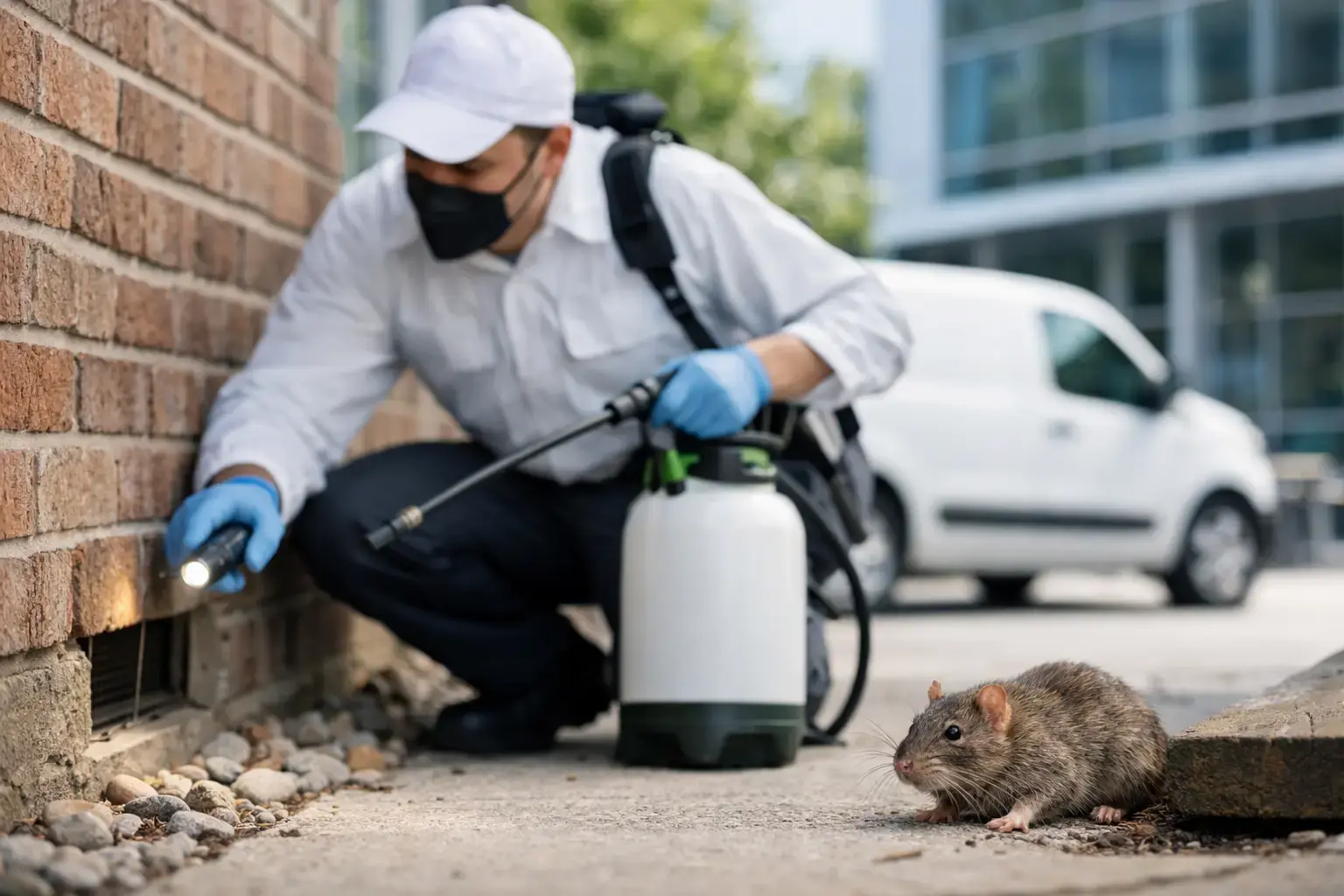
A scratching sound behind the kitchen units at 2am is rarely a one-off. In most cases, by the time you notice the signs, rats have already found shelter, food and a route in. That is why rat control Manchester property owners rely on needs to be fast, thorough and based on more than a few bait boxes.
Rats are not just unpleasant. They damage insulation, wiring, pipework and stock, contaminate food areas and create a serious hygiene risk. For landlords, they can lead to tenant complaints and repeat call-outs. For businesses, they can affect reputation, compliance and day-to-day operations. For homeowners, they turn a private space into a stressful one very quickly.
Why rat control in Manchester needs a proper plan
Manchester properties present the kind of conditions rats exploit well. Older buildings can have hidden entry points under floors, around drains and behind extensions. Busy commercial areas produce a constant food source. Domestic gardens, bins, compost heaps and outbuildings give rats cover close to homes.
The main issue is that rats rarely stay where you first spot them. You might hear activity in a loft, but the access point is at ground level. You may find droppings in a cellar, while the nest is actually under decking or in a cavity wall. Effective treatment depends on understanding how they are moving through the property and why they are staying.
A quick treatment can reduce activity, but if access points remain open or food sources stay available, the problem returns. That is where many infestations become recurring rather than resolved.
Common signs you need rat control Manchester services
Some signs are obvious, others are missed until numbers increase. Fresh droppings are one of the clearest indicators, particularly around skirting boards, under sinks, in loft spaces and near stored food. Gnaw marks on wood, plastic pipes, cable coatings and packaging are another strong sign.
You may also notice grease marks along walls where rats travel the same route repeatedly. A strong ammonia smell can develop in enclosed areas. At night, scratching, scurrying or light thudding in ceilings and voids is common. In gardens and yards, burrow holes near sheds, patios, drains or bin stores often point to established activity.
For commercial premises, staff may spot damage in stock rooms, plant rooms, service ducts or waste areas before customers ever see a rat. That does not make it a minor issue. It usually means the infestation is already becoming embedded behind the scenes.
Why DIY rat treatment often falls short
Shop-bought traps and poisons can catch or kill individual rats, but they rarely solve the root problem on their own. The first reason is placement. If devices are put in the wrong area, they will be ignored. The second is behaviour. Rats are cautious, and heavy pressure in one area can simply push them into another part of the building.
There is also the issue of proofing. Killing the current population without sealing entry points is only part of the job. New rats can move in quickly, especially in urban areas where neighbouring properties, drainage systems and waste storage all create ongoing pressure.
In some settings, treatment has to be handled with additional care. Homes with pets and children, food premises, managed blocks and sensitive commercial sites all need a tailored approach. What works in a detached house is not automatically suitable for a restaurant yard, warehouse or office building.
What effective rat control looks like
Proper rat control starts with inspection, not assumptions. The aim is to identify the species, locate signs of activity, assess the likely harbourage points and understand the routes being used. A technician should be looking at the whole environment, not just the room where activity has been reported.
That usually includes drainage lines, wall voids, loft spaces, kitchen service entries, meter cupboards, air bricks, damaged vents, bin storage areas and external boundaries. In commercial settings, it may also involve delivery bays, plant equipment, suspended ceilings and food handling zones.
Once the pattern is clear, treatment can be targeted properly. That may involve a combination of secure baiting, trapping and environmental recommendations. The exact method depends on the site, the level of activity and the surrounding risks. There is no single treatment that suits every job.
Just as important is proofing. Gaps under doors, broken drain covers, unsealed pipe entries and damaged vents all need attention. Even a small hole can be enough. Rats do not need much space to gain access, and they are persistent once they have found it.
Domestic rat problems: speed matters
In homes, rat activity often starts in lofts, kitchens, extensions, garages, gardens and under floors. People sometimes delay calling for help because they have only heard one noise or seen one dropping. That delay gives the infestation time to spread.
A domestic rat problem is rarely just about catching what is there today. It is about stopping further damage and making sure the same access route is not used again next week. In family homes, discreet attendance and clear advice matter as much as the treatment itself. People want the issue sorted quickly, but they also want to understand what has happened and what to do next.
Where there are pets, bird feeders, compost bins or poorly stored rubbish, those factors may need to be addressed as part of the solution. That is not about blame. It is simply about reducing the conditions that support repeat activity.
Commercial rat control requires more than a quick visit
For businesses, rats can become an operational issue as much as a pest issue. Food businesses, warehouses, care settings, offices, retail units and property portfolios all have different risk profiles. In some environments, the presence of rats can trigger audit failures, customer complaints or health concerns long before visible damage becomes severe.
Commercial rat control has to be discreet, well documented and practical. Treatment needs to fit around opening hours, staff movement and compliance requirements. It also needs to account for the fact that many infestations are linked to building design, service access points or neighbouring activity.
This is where a professional pest management plan makes the difference. One-off treatment may be enough in a simple case, but sites with ongoing exposure usually benefit from continued monitoring, preventative work and accurate reporting. That is how you reduce the chance of disruption later.
Prevention is what stops the call-out from happening again
The best rat control work does two things at once. It removes the active infestation and lowers the chances of another one. Prevention is not an add-on. It is part of the job.
That may involve improving waste storage, reducing clutter in external areas, sealing utility entry points, fitting proofing materials to vulnerable openings and reviewing how food or stock is stored. In some cases, drainage defects or broken underground systems are contributing to the issue and need further attention.
Properties in and around Manchester vary hugely. A terraced home, a converted flat, a pub cellar and a modern industrial unit all present different challenges. A no-nonsense approach works best - inspect properly, treat accurately and close off the cause.
Choosing a rat control service in Manchester
When you are dealing with rats, speed matters, but so does competence. The right service should offer more than reassurance over the phone. You need a provider that can identify the source of the problem, explain the treatment clearly and deal with the issue in a way that suits the property.
It also helps to choose a team that understands local building types and the practical realities of pest activity across Greater Manchester. For many customers, discretion matters too, especially for commercial sites or homes where visible pest control vehicles would be unwelcome. A qualified local specialist with a clear process and a strong record of resolving difficult cases offers far more value than a basic reactive visit.
AZ Environmental Service Pest Control takes that approach - technical, discreet and focused on solving the full problem rather than masking the symptoms.
If you have seen signs of rat activity, the sensible next step is not to wait for clearer proof. The longer rats are allowed to settle in, the more expensive and disruptive the problem usually becomes. Early action gives you the best chance of a clean, controlled fix and the confidence that the issue has been dealt with properly.