

Blog
How to Prepare for Pest Treatment at Home
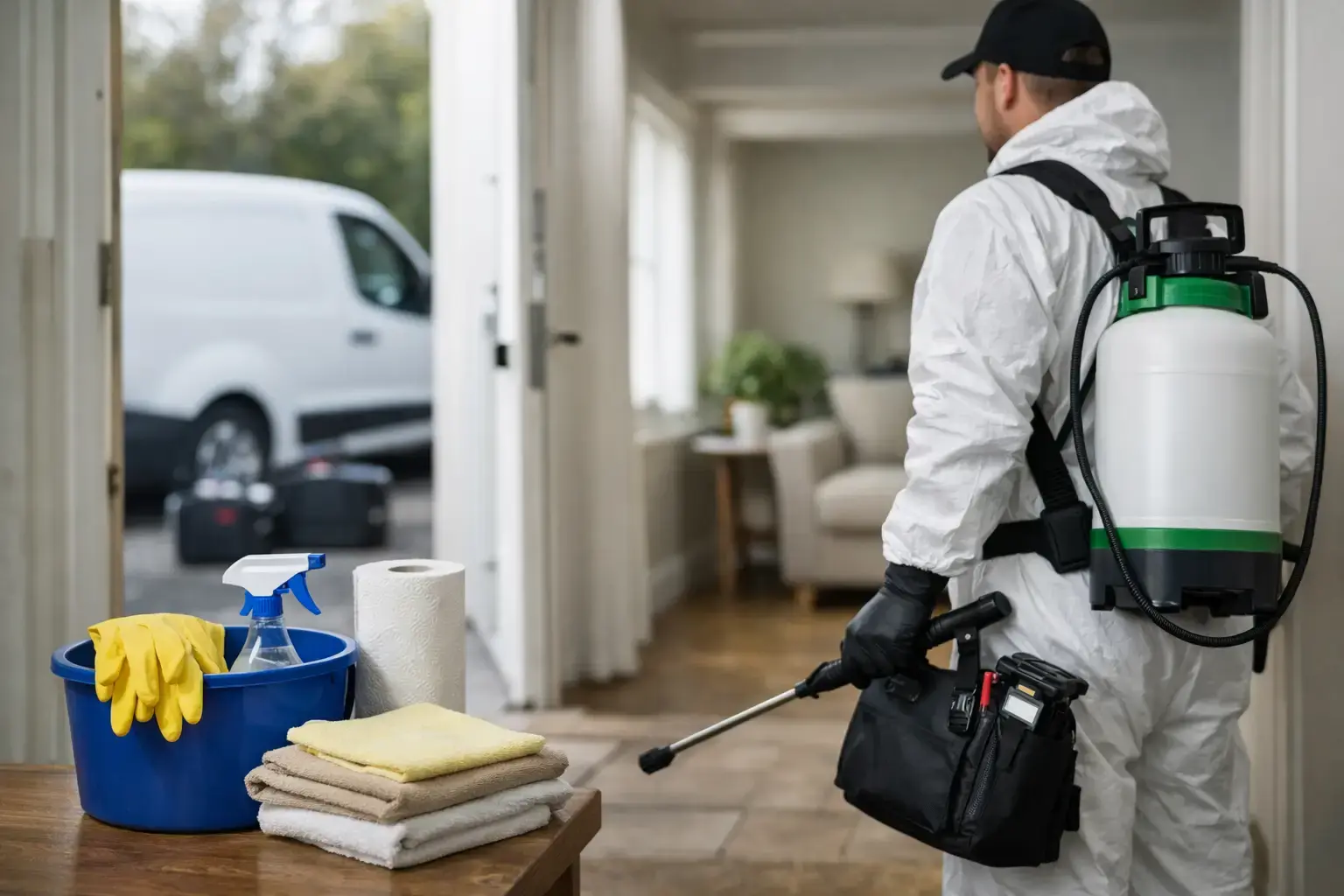
A successful treatment starts before the technician arrives. Taking the right steps to prepare for pest treatment gives the treatment access to the areas pests use, protects your household, and helps prevent the problem returning. The exact preparation depends on the pest, the property and the treatment method, so always follow the instructions given for your appointment first.
Confirm the treatment plan before you begin
Preparation for a mouse problem is very different from preparation for bed bugs, cockroaches or wasps. Before moving furniture or emptying cupboards, make sure you know which rooms will be treated, whether you need to leave the property, and how long any access restrictions will last.
Tell your pest control technician about children, pets, fish tanks, pregnancy, allergies, respiratory conditions or anyone who may struggle to leave the property. Mention any recent DIY sprays, powders, traps or foggers as well. This information allows the treatment to be planned safely and avoids products being applied where they may be less effective.
It is also worth being clear about where you have seen activity. A photo of droppings, damage, insects or a wasp flight path can be useful, but do not disturb a nest or handle dead rodents. Pest activity often extends beyond the obvious location, and accurate information helps the technician inspect the right areas from the outset.
Prepare for pest treatment in the affected areas
The aim is not to create a spotless, empty house. It is to provide safe, practical access to harbourage points, entry routes and feeding areas. Avoid moving pests into another room while you tidy. If you are unsure whether something should be moved, leave it in place and ask.
Kitchens, utility rooms and food storage
For cockroach, ant or rodent treatment, clear worktops and remove loose food from cupboards that may need inspecting or treating. Store food, pet food, crockery and cooking utensils in sealed containers, cupboards away from the treatment area, or another room as instructed. Wipe up grease, crumbs and spillages, especially behind appliances where possible.
Pulling appliances forward can help, but only do this if it is safe. Do not risk damaging plumbing, gas connections or electrical cables to reach behind a cooker, washing machine or fridge. A technician can assess those areas and advise on the safest way to gain access.
Empty bins and recycling, then keep lids closed. This does not solve an infestation on its own, but removing easy food sources makes baiting and monitoring programmes more effective.
Bedrooms, lounges and soft furnishings
Bed bug treatment needs particularly careful preparation. Bedding, clothing and washable fabrics may need to be bagged, washed at the instructed temperature and dried thoroughly before being sealed in clean bags. Do not carry unbagged bedding through the home, as this can spread bed bugs to other rooms.
Make space around beds, skirting boards, wardrobes and sofas so these areas can be inspected. However, do not dispose of a mattress, bed frame or sofa without professional advice. Throwing furniture outside can spread the infestation, and many items can be treated successfully.
For flea treatment, vacuum carpets, rugs, upholstered furniture and gaps around skirting boards before the visit if requested. Empty the vacuum outdoors straight afterwards, seal the contents in a bag and place it in an outside bin. Flea pupae can remain protected in their cocoons, so follow-up activity can be normal even after a correctly applied treatment.
Lofts, garages and external spaces
Rodent investigations often require access to lofts, garages, sheds, air bricks, drains and external boundaries. Clear a safe path to these areas and remove items blocking inspection points where you can do so safely. If there are signs of rodents in a loft, avoid sweeping or vacuuming droppings before the visit. Disturbing dry droppings can create unnecessary dust. Leave the area undisturbed for assessment.
For wasp nest removal, keep people and pets away from the nest area and close nearby windows. Do not block the entrance, spray the nest with shop-bought products or attempt to knock it down. Wasps can become highly defensive when their nest is disturbed.
Protect children, pets and wildlife
Before treatment, remove pet bowls, toys, bedding and cages from the affected area. Cover fish tanks securely and switch off air pumps if advised, as airborne treatment products can enter the water through bubbling systems. Birds, reptiles and small mammals may need to be moved from the room entirely.
Children should not be present in treatment areas while work is being carried out. Keep them away until the technician confirms it is safe to return. The same applies to pets, even if they are usually confined to another part of the property. A cat, dog or rabbit can quickly enter a room through an open door.
If you have wildlife visiting the garden, such as hedgehogs or birds, tell the technician. Responsible pest management considers non-target animals and uses the right control measures for the situation rather than taking a one-size-fits-all approach.
Avoid actions that can reduce treatment results
Do not use aerosol insecticides, smoke bombs or strong cleaning chemicals immediately before a professional treatment unless you have been specifically told to do so. These products can drive insects deeper into cracks, contaminate bait, or make it harder to identify the scale of the problem.
Avoid sealing every gap before a survey for rodents. Proofing is often a vital part of a long-term solution, but blocking an active entry point too early can trap rodents inside or push them into another area of the building. Your technician should identify the likely entry routes and advise on the correct sequence of treatment and proofing.
Do not move bait stations, traps or monitoring devices after they have been placed. Their position is chosen to target activity while keeping them as secure as possible. If one is accidentally moved, damaged or accessed by a pet, contact the pest control company straight away.
What to expect on treatment day
Make sure the technician can access the property at the agreed time, including relevant cupboards, loft hatches, bin stores, plant rooms or communal areas. For rented homes and managed premises, arrange access with tenants, caretakers or site staff in advance. Delays can mean an incomplete inspection and a less effective visit.
The technician will assess the evidence, confirm the pest and explain the recommended treatment. In some cases, a treatment can be completed on the first visit. In others, such as bed bugs, fleas, cockroaches or established rodent activity, follow-up visits are part of doing the job properly. This is not a sign that the treatment has failed. Pest life cycles, hidden harbourage and building layout all affect the programme needed.
You may be asked to leave treated rooms for a set period. Ventilate only when instructed, and do not wash treated surfaces, skirting boards or baited areas until you have been told it is safe to do so. Cleaning too soon can remove a residual insecticide or disturb bait that pests need to encounter.
Help keep pests from returning
Once treatment is under way, address the conditions that allowed pests to settle in. Keep food sealed, repair dripping pipes, manage waste properly and reduce clutter around walls, cupboards and storage areas. For rodents, proofing gaps around pipework, damaged air bricks, doors and external service routes is often as valuable as the treatment itself.
Commercial sites should also brief relevant staff. Cleaners, kitchen teams, maintenance contractors and reception staff can all affect treatment results if they remove monitoring points, leave food exposed or fail to report sightings. A clear reporting process and regular inspections protect hygiene standards and reduce disruption to operations.
AZ Environmental Service Pest Control provides tailored instructions because every infestation and property is different. If anything changes before your appointment, such as a new sighting, a pet entering the affected room or a treatment area becoming inaccessible, raise it before the visit. A short conversation can prevent a missed opportunity and help deliver a lasting result.