

Blog
Pest Survey or Treatment - Which Comes First?
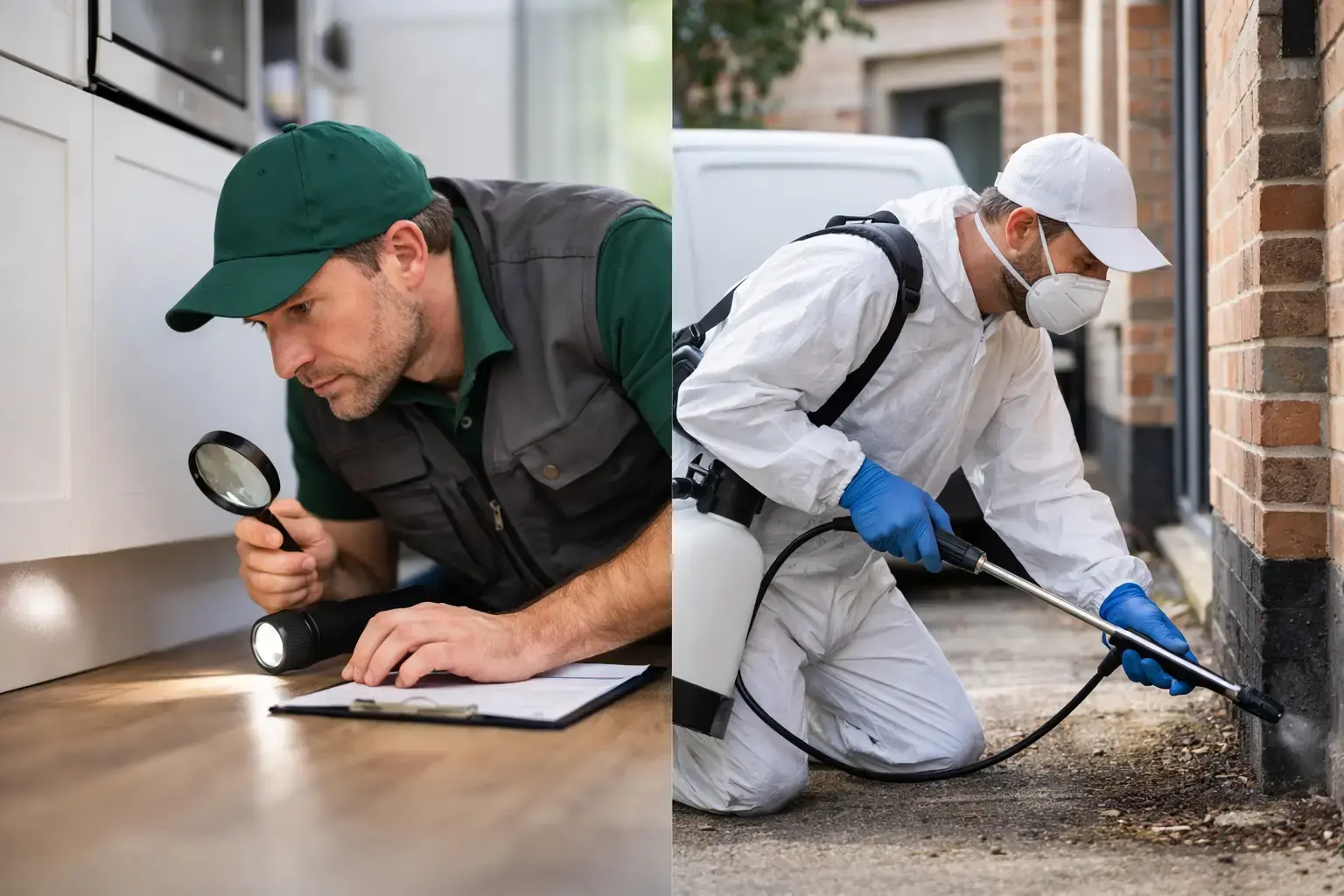
A scratching sound in the loft, droppings behind a kitchen unit or wasps gathering around a roofline all demand attention. The question is whether you need a pest survey or treatment first. Getting that decision right can mean the difference between solving the source of the problem and simply reducing visible activity for a few days.
A professional pest controller should not take a one-size-fits-all approach. Some situations require immediate action to protect people, food, stock or property. Others need a thorough inspection before treatment begins, particularly where the pest is not yet confirmed, access is difficult or the problem keeps returning.
When Do You Need a Pest Survey or Treatment?
A pest survey is a detailed on-site assessment. It identifies the species involved, the extent of activity, likely entry points, nesting or harbourage areas, and the conditions allowing the pest to thrive. Treatment is the practical action taken to remove or control the infestation.
In many cases, the answer is both. The survey comes first, even if it is carried out quickly during the initial visit, so the treatment can be targeted properly. Applying the wrong method, in the wrong location or at the wrong time can waste money and leave the underlying issue untouched.
For example, seeing mice in a kitchen does not automatically reveal where they are entering the building. A technician may find gaps around pipework, damaged air bricks, poorly fitted doors or access from a connected loft space. Treating the mice without proofing those routes invites the same problem to return.
The same principle applies to insects. Fleas, bed bugs, cockroaches and stored product insects can all be misidentified by householders. Their treatment requirements differ significantly, so an accurate assessment is essential before products are selected or follow-up visits are planned.
A survey is usually the right starting point when
A survey is particularly valuable when pest activity is recurring, the pest cannot be identified with confidence, or there are signs of damage without a clear cause. It is also the sensible option for larger properties, vacant buildings, communal areas and commercial premises where several parts of the site may be affected.
For landlords and property managers, a documented survey creates a clear record of the issue, the recommended actions and any proofing or housekeeping responsibilities. This helps coordinate work between tenants, maintenance teams and contractors, rather than relying on assumptions.
In commercial settings, a survey can also reveal risks before they become an infestation. Food businesses, warehouses, offices and care environments need to protect hygiene standards, staff welfare and their reputation. Monitoring points, trend data and regular inspections make it easier to act early.
When Treatment Should Not Wait
There are occasions when rapid treatment is the priority. An active wasp nest close to a doorway, a rat sighting in a food preparation area or bed bugs in an occupied bedroom should be dealt with promptly. The initial inspection still matters, but it can be completed as part of an urgent response rather than delayed until a separate survey visit.
Immediate action may be needed where pests present a direct safety concern, create contamination risks or are causing active damage. Rats and mice can contaminate food and damage cables. Wasps can pose a risk to anyone with an allergy. Bird fouling on access routes can create slip hazards, while persistent flies can quickly affect customer confidence.
Fast does not mean careless. Effective treatment begins with correct identification, safe product choice and a plan for preventing reinfestation. A quick chemical application without considering access, nesting behaviour or environmental factors can lead to disappointing results.
What a Professional Pest Survey Should Cover
A worthwhile survey looks beyond the pest you have seen. Rodents and insects are often most active when a property is quiet, and their main harbourage may be some distance from the point where activity was first noticed.
The technician will assess evidence such as droppings, rub marks, gnawing, tracks, shed skins, nesting materials and insect activity. They will inspect likely access routes, including external gaps, drains, rooflines, service penetrations, vents and door thresholds. Inside, attention should be paid to food storage, waste arrangements, moisture, clutter and concealed voids that offer shelter.
The findings should lead to clear, practical recommendations. That may include treatment, proofing, sanitation improvements, removal of harbourage, monitoring equipment or repeat visits. Where access is difficult, specialist methods such as professional UAV surveys can help inspect rooflines, gutters and elevated areas without unnecessary disruption.
For businesses, a survey should consider operational realities. Treatment points must be positioned safely, records need to support site procedures, and visits should be arranged with minimal interruption. Discreet attendance can matter just as much for a restaurant, office or managed property as it does for a homeowner.
Treatment Must Match the Pest and Property
There is no single treatment that works for every pest issue. Rodent control may involve secured bait stations, trapping, monitoring and proofing. Bed bug control requires detailed preparation, targeted treatment and follow-up checks. Cockroach control often depends on reaching hidden harbourage areas and removing food and moisture sources. Wasp nest treatment must account for the nest location, species activity and safe access.
The property itself also affects the plan. A family home with pets and children needs clear safety guidance. A block of flats may require cooperation across several dwellings. A warehouse could need a prevention programme designed around deliveries, stock rotation and waste areas.
This is why professional treatment should include honest advice about what the customer needs to do. Clearing access to affected areas, laundering bedding, improving waste storage or arranging proofing work may be essential to the outcome. Pest control works best when treatment and prevention are handled together.
AZ Environmental Service Pest Control uses tailored programmes rather than relying on a standard visit. That approach is especially important for difficult or repeat infestations, where the visible pest is only one part of the problem.
Prevention Is Part of the Solution
Once activity has been controlled, the focus should shift to stopping pests from returning. Proofing gaps, repairing damaged brickwork, fitting door brushes, managing external waste and keeping food in sealed containers can all reduce future risk. The most suitable measures depend on the species and the building, so generic advice is not always enough.
For commercial premises, ongoing monitoring can provide early warning before activity escalates. Modern systems, including remotely monitored devices where appropriate, help identify patterns and allow action to be taken before a pest issue affects operations. Regular service visits are not simply about checking boxes. They are about finding small vulnerabilities before they become expensive problems.
Wildlife-conscious practice also matters. Not every animal seen around a property requires the same response, and lawful, proportionate control should always be considered. A qualified technician can distinguish between nuisance activity, protected wildlife concerns and situations that require immediate pest management.
Choosing the Right First Step
If you have clear evidence of an urgent infestation, request treatment without delay and explain exactly what you have seen. Photos, the location of activity and when it occurs can help a technician prepare. If the problem is unclear, recurring or affecting a larger property, ask for a pest survey that identifies the cause as well as the pest.
The strongest result is rarely just the removal of pests from sight. It is a property that is harder for them to enter, feed, nest and return to. Acting early, with the right survey and treatment plan, protects your home or business before a manageable issue becomes a larger one.