

Blog
Pest Prevention Programme for Business
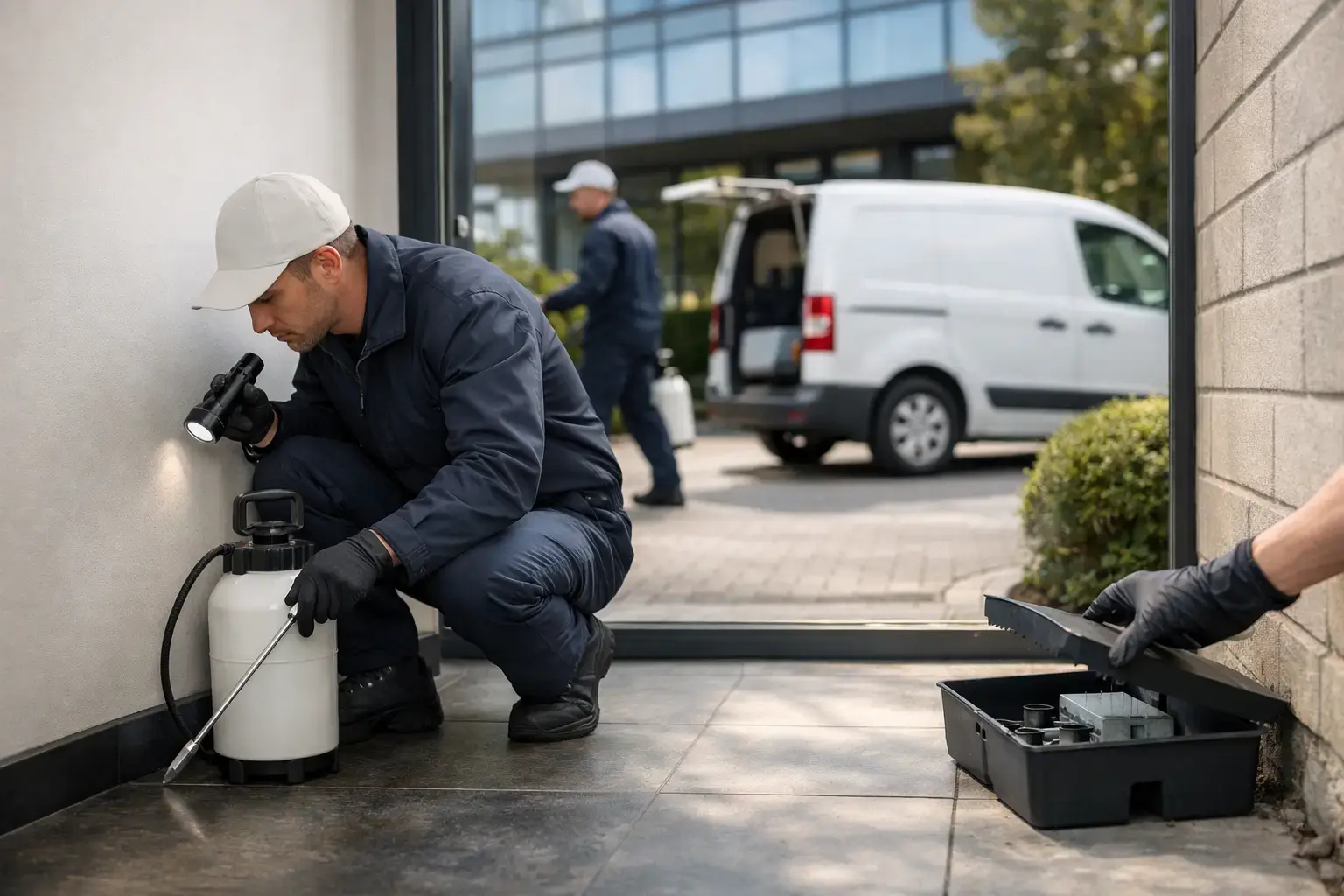
A single mouse sighting in a staff kitchen can become a much bigger problem by the end of the week. That is why a pest prevention programme for business is not a nice extra - it is part of protecting your premises, your reputation and your day-to-day operations.
For many businesses, the real cost of pests is not the treatment itself. It is failed audits, damaged stock, unhappy staff, disrupted trading and the loss of customer confidence. By the time pests are obvious, the issue is usually already established. Prevention works because it deals with risk before it turns into disruption.
Why businesses need a pest prevention programme
Reactive pest control has its place. If you have an urgent infestation, you need it dealt with quickly and properly. But relying on call-outs alone is a costly way to manage risk, especially in sites where food, waste, stock movement, drainage, deliveries or older buildings create constant opportunities for pest activity.
A proper pest prevention programme for business is built around routine inspection, early identification and physical control measures. It is there to reduce the chance of infestation, not simply respond once the problem is visible. That distinction matters.
In commercial settings, pests rarely appear without a reason. Rodents follow food sources, harbourage and entry points. Flying insects are drawn to waste, moisture and poor hygiene controls. Stored product pests can arrive through supply chains. Birds exploit unsecured rooflines and ledges. If those conditions remain in place, treatment on its own is unlikely to be enough.
This is where a planned programme becomes more effective than one-off visits. It creates oversight. It gives site managers evidence of monitoring. It helps teams spot patterns and deal with weak points before they become expensive.
What a good programme should include
Not all prevention plans are equal. Some are little more than a basic inspection schedule. A stronger programme is tailored to the property, the business type and the level of risk.
It should start with a site survey. That means looking at the building fabric, drainage, storage areas, staff welfare spaces, external perimeter, waste handling and any areas where goods are received or processed. The aim is to understand why pests might target the site and where they are most likely to gain access or settle.
From there, the programme should combine monitoring with practical prevention. That can include proofing works, advice for housekeeping teams, adjustments to waste storage, recommendations on stock rotation and the strategic placement of monitoring devices. In some sites, digital systems such as Bell IQ monitoring can add another layer of visibility, especially where continuous oversight matters.
The best approach is never just about placing bait stations and returning every few weeks. It is about using each visit to assess activity, review risks and make changes that improve control over time.
Monitoring and inspection
Routine inspections are the backbone of prevention. They help identify fresh signs of rodent activity, insect harbourage, entry point damage and environmental conditions that support infestation. This is particularly important in businesses where standards are audited or where a pest issue could affect customers directly.
Frequency depends on the site. A low-risk office may need a different schedule from a food business, warehouse, care setting or multi-occupancy premises. More visits are not always better if they are not targeted, but too few can leave gaps that pests exploit.
Proofing and exclusion
One of the most overlooked parts of prevention is proofing. If rodents can get under a shutter, through damaged air bricks or around service penetrations, the risk remains high no matter how often treatments are carried out.
Effective proofing closes off access and reduces the need for repeated reactive work. It may involve sealing gaps, fitting mesh, improving door sweeps or identifying structural faults that need repair. This is often where long-term results are won.
Reporting and compliance
Commercial clients need more than treatment. They need records. A prevention programme should produce clear documentation showing what was inspected, what was found, what action was taken and what recommendations were made.
That reporting is useful for environmental health, internal audits and due diligence. It also gives managers something practical to act on. If a site keeps receiving the same recommendation and it is not addressed, the records make that clear.
A pest prevention programme for business is never one-size-fits-all
A restaurant, a manufacturing unit and a letting portfolio do not face the same risks. Even two similar sites can have very different vulnerabilities depending on age, layout, neighbouring properties and how the premises are run.
That is why cookie-cutter contracts often disappoint. They can miss the specifics that actually drive pest problems. An older building with hidden voids may need more detailed proofing. A site with frequent deliveries may need tighter controls around goods-in areas. A business with external bins close to access doors may need changes to storage and collection routines.
The right programme should reflect those realities. It should be practical, proportionate and based on what the premises genuinely need.
What businesses often get wrong
The biggest mistake is waiting until there is visible activity. By then, the issue may already involve breeding, contamination or repeated access to the building. Another common problem is treating pest control as separate from maintenance and hygiene, when in practice they are closely linked.
Poor communication also causes preventable failures. If site staff do not report sightings quickly, if cleaners are not aware of risk areas, or if maintenance issues are left unresolved, even a well-designed programme can be undermined.
There is also a trade-off between cost and effectiveness. A cheaper contract may look attractive on paper, but if it does not include meaningful inspections, proper reporting or proofing advice, the long-term cost can be higher. Prevention should save money over time, not create a false sense of security.
Choosing the right provider
When selecting a commercial pest control partner, technical knowledge matters. So does reliability. Businesses need a provider that understands the practical pressures of operating sites where reputation, hygiene and continuity matter.
Look for a company that carries out detailed surveys, explains findings clearly and offers tailored recommendations rather than generic promises. Discretion can be just as important, particularly for customer-facing premises, managed properties and sensitive sites. Qualifications, professional standards and modern monitoring tools also make a difference, but they should support delivery rather than replace it.
For businesses across Stockport and surrounding areas, AZ Environmental Service Pest Control focuses on exactly that kind of practical, prevention-led support - combining site knowledge, discreet service and tailored pest management that deals with causes as well as symptoms.
When prevention needs to become intervention
Even the best programme cannot remove every risk. Buildings change, seasons shift, supply chains introduce new issues and neighbouring activity can increase pest pressure without warning. A good prevention plan accepts that reality.
What matters is how quickly a developing issue is identified and controlled. If monitoring picks up a problem early, treatment can be targeted before it escalates. That is where prevention and response should work together, not as separate services but as part of one joined-up approach.
For some businesses, that may mean periodic treatment as part of a wider plan. For others, it may mean heavier focus on proofing, staff awareness and environmental controls. It depends on the site, the sector and the consequences of failure.
The business case is simple
A pest prevention programme is about more than avoiding nuisance. It protects food safety, staff welfare, stock, buildings and brand reputation. It gives you a clearer view of risk and a practical way to stay ahead of it.
If your current approach only starts when someone spots droppings, hears scratching or receives a complaint, you are already behind. Prevention gives you control earlier, when the problem is smaller and the fix is usually simpler.
The most effective businesses do not wait for pests to prove there is a weakness in the building. They find the weakness first and deal with it properly.