

Blog
Pest Control Services That Actually Work
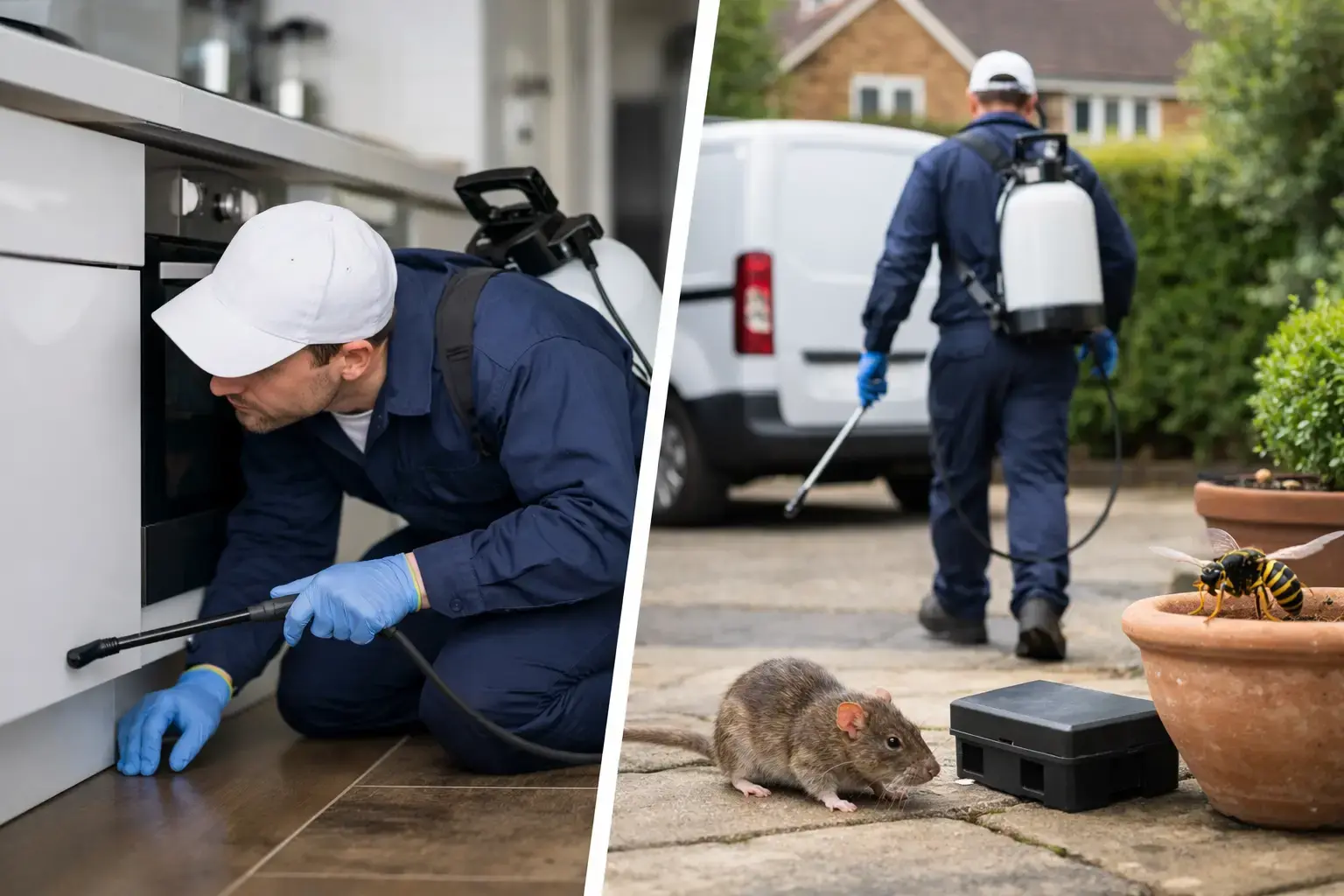
You usually know when a pest problem has gone beyond a minor nuisance. It is the scratching in the loft at night, droppings behind stock in a storeroom, wasps gathering around a roofline, or the sense that a problem has been treated before but never properly resolved. That is where professional pest control services make the difference - not just by dealing with what you can see, but by finding the cause, treating it correctly and stopping it from coming back.
For homeowners, landlords and businesses, the real issue is rarely just the pest itself. It is the disruption, the worry, the hygiene risk and the possibility that a small problem becomes a much bigger one if it is left alone. Effective pest management needs more than a quick visit and a generic treatment. It needs accurate identification, a clear plan and the experience to know what works in real properties, not just in theory.
What good pest control services should include
Not all infestations behave in the same way, even when the pest species is the same. A rat issue in a domestic loft, for example, is very different from rodent activity around a commercial unit, food premises or warehouse. The access points, food sources, nesting areas and legal responsibilities all change. That is why good pest control services start with assessment, not assumption.
A proper service should identify the pest correctly, inspect the affected area thoroughly and explain what is driving the activity. In some cases that may be structural defects, poor proofing, waste handling issues or seasonal behaviour. In others, it may be a long-running hidden infestation that previous treatments simply did not reach.
Treatment is only one part of the job. The stronger approach combines immediate control with prevention. That may mean proofing entry points, removing attractants, advising on housekeeping changes or setting up ongoing monitoring where there is a continuing risk. If the problem is complex, a one-size-fits-all treatment is unlikely to hold.
Why some pest problems keep coming back
Repeat infestations are common for one reason - the root cause was never dealt with. It is easy to focus on the visible signs and miss the conditions allowing the infestation to continue. If rodents are entering through damaged air bricks, if pigeons are roosting because access points remain unprotected, or if insects are breeding in hidden voids, the issue will return.
There is also the problem of misidentification. Different pests require different control methods, and even small errors can waste time. A cluster fly issue is not handled in the same way as a wasp nest. A mouse infestation inside a cavity wall needs a different strategy from rats moving between drains and subfloors. Experienced technicians understand those differences and adjust the treatment accordingly.
For commercial sites, repeat pest activity often points to a wider management issue. Waste storage, delivery areas, proofing gaps and building layout all matter. Businesses need more than pest removal. They need a service that protects standards, reduces risk and supports compliance.
Pest control services for homes, landlords and businesses
Domestic customers often call when the problem becomes impossible to ignore. By that stage, the infestation may already be established. Rodents, bed bugs, fleas, cockroaches, ants and wasps all create different levels of urgency, but the common priority is fast action. In a family home, people want the problem handled safely, discreetly and with as little disruption as possible.
Landlords and letting agents have a different pressure. They need issues resolved quickly, clearly documented and handled in a way that protects the property as well as the tenant relationship. Delays can lead to damage, complaints and repeated call-outs. A structured treatment plan helps avoid all three.
Commercial customers usually need reliability as much as speed. If you run a restaurant, office, warehouse, school, shop or managed property, the consequences of pest activity can reach far beyond the immediate infestation. Reputation, health standards and business continuity are all on the line. In these settings, discreet attendance, accurate reporting and prevention planning are just as important as the treatment itself.
When specialist pest control services matter most
Some pest issues are straightforward. Others need a specialist approach from the start. Bird control is one of the clearest examples. Removing fouling from a site without solving the roosting problem simply leaves you with the same issue next week. The right approach may involve proofing, deterrent systems, access planning and, where needed, more advanced survey methods.
The same applies to difficult access areas. Roof voids, high-level structures, commercial buildings and large external areas are not always easy to inspect properly from the ground. Modern methods such as UAV surveys can help identify nesting sites, entry points and structural concerns without guesswork. That matters because treatment decisions are only as good as the information behind them.
Wasp nest removal is another area where experience counts. A visible nest is not always the full story, and location changes the risk. A nest in a garden shed is one thing. A nest near a school entrance, loft hatch or customer access route is another. The treatment needs to be fast, safe and targeted.
Discreet, environmentally responsible treatment matters
Most customers want the same thing - the problem solved without turning the property into a spectacle. Discretion matters for households and it matters even more for businesses. Unmarked vehicles, professional attendance and a calm, direct explanation of what is happening all help reduce stress at what is often an uncomfortable time.
Environmental responsibility matters too, but it needs to be understood properly. Responsible pest control does not mean avoiding treatment where treatment is needed. It means using the most appropriate method, avoiding unnecessary product use and taking account of non-target species, pets, wildlife and the surrounding environment. Good pest management is practical and measured.
There are trade-offs. A heavy-handed approach may look decisive but create avoidable risk. An overly cautious approach may leave the infestation active for longer than it should. The right balance depends on the pest, the location and the people using the site. That is why site-specific treatment plans matter.
What to expect from a professional survey
A survey should leave you clearer, not more confused. You should come away knowing what pest is present, how serious the issue is, where activity is concentrated and what the recommended next step looks like. If there are signs of wider vulnerabilities - such as proofing defects, drainage concerns or hygiene risks - those should be explained in plain terms.
For some sites, especially commercial premises or larger properties, monitoring systems may form part of the solution. These can help track activity, highlight patterns and show whether control measures are working over time. Technology has improved what is possible here, particularly for customers who need ongoing oversight rather than a one-off treatment.
A strong survey also recognises when the answer is not immediate eradication in a single visit. Some infestations can be resolved quickly. Others need staged treatment and follow-up. Being honest about that from the outset builds trust and usually leads to better results.
Choosing pest control services with confidence
If you are comparing providers, look beyond the promise of a fast call-out. Speed matters, but so does capability. Ask whether the company can identify the pest confidently, explain why the issue has happened and offer prevention as well as treatment. Ask whether they handle both domestic and commercial work, whether they can deal with specialist problems and whether their approach is suited to your type of property.
Credentials matter because they show professionalism, but field experience matters just as much. Pest control is not only about products or equipment. It is about reading a site properly, spotting the details others miss and applying the right method at the right time. That is often the difference between a temporary fix and a proper resolution.
For local customers in and around Stockport, that practical knowledge is especially valuable because building types, access issues and pest pressures can vary widely from one property to the next. A terraced house, a retail unit and an industrial site do not present the same challenges, even when the pest species overlaps.
AZ Environmental Service Pest Control works with exactly that mindset - identify the issue properly, solve it decisively and reduce the chance of it returning. That is what customers are really paying for.
If you have noticed signs of pest activity, the sensible move is not to wait for more evidence. Early action usually means simpler treatment, less disruption and a better result.