

Blog
Pest Control in Bramhall That Solves the Cause
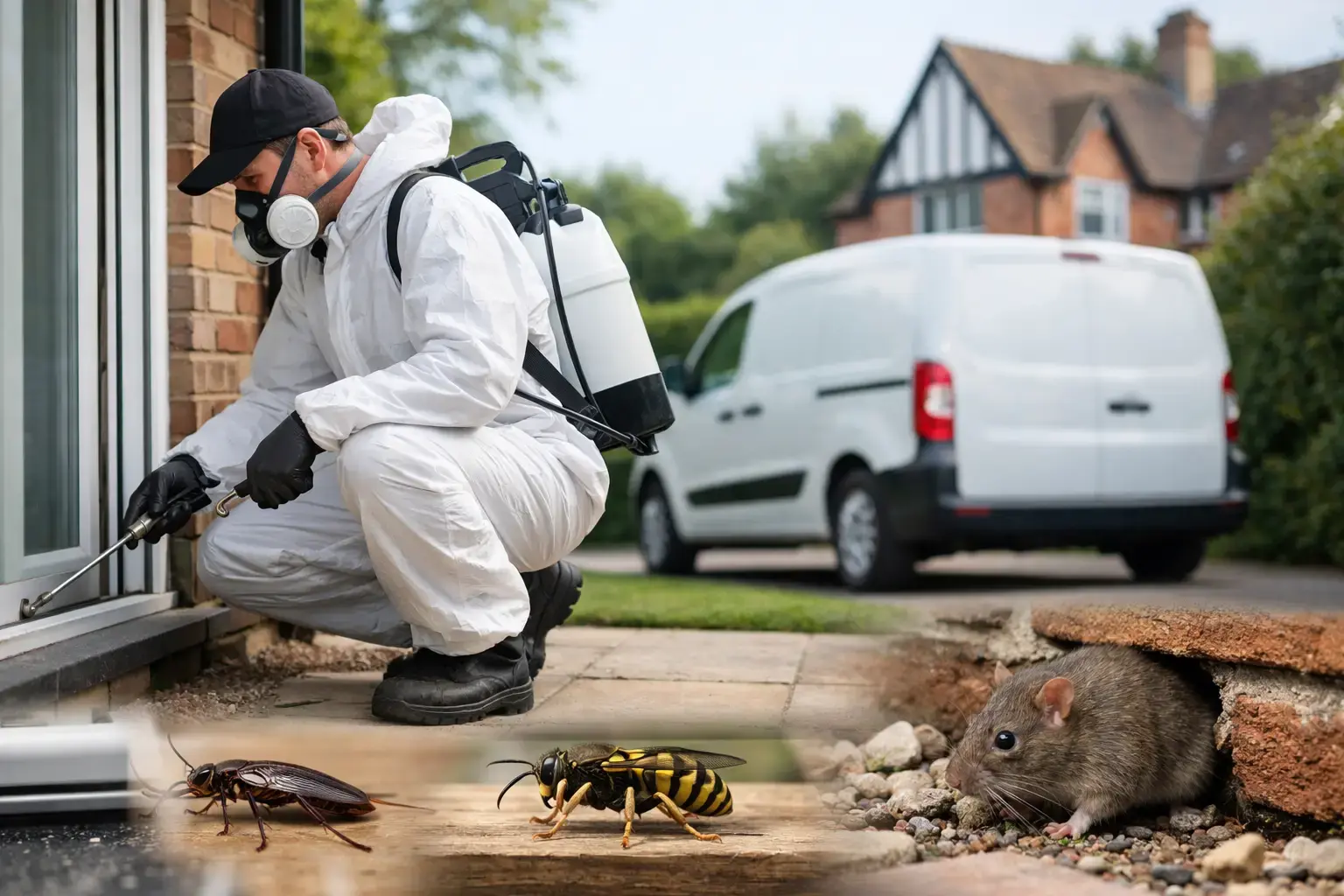
A wasp nest above the porch, scratching in a loft, droppings beneath the kitchen sink or birds roosting on commercial signage can quickly turn from a nuisance into a serious property issue. Effective pest control in Bramhall is not about a quick spray or a bait left behind. It starts with identifying exactly what is present, how it is getting in and what will stop it returning.
For homeowners, landlords and businesses, the right response protects people, property and reputation. A professional treatment should deal with the immediate problem while addressing the conditions that allowed it to develop in the first place.
Why pest problems need a proper investigation
Pests rarely appear without a reason. Rodents follow food, warmth and access points. Wasps choose protected voids in eaves, sheds and roof spaces. Cockroaches and bed bugs can be brought into a property unnoticed, then spread where warmth and hiding places are available. Birds may return to the same ledges and rooflines once a site becomes an established roost.
This is why pest identification matters. Similar signs can point to very different problems. For example, scratching noises might be caused by mice, rats, squirrels or birds in a roof void. Each requires a different approach, and treating the wrong pest wastes time and can make an infestation harder to resolve.
A thorough on-site survey looks beyond the obvious evidence. It considers access routes, harbourage areas, food sources, drainage, bin storage, building defects and the wider environment around the property. In Bramhall, mature gardens, older properties, outbuildings and nearby green space can all affect the type of pest activity seen at a premises.
Pest control in Bramhall for homes and landlords
Domestic pest issues are often discovered at inconvenient times. You may notice a mouse in the kitchen late at night, find a wasp nest when opening a loft hatch, or realise fleas are still biting after treating a pet. The temptation is to buy an off-the-shelf product and hope for a fast result. That can be reasonable for a very minor, clearly identified issue, but it is not always the most effective or safest answer.
Store-bought treatments may not reach the source of the problem, particularly where pests are nesting inside cavities, travelling beneath floors or entering through hidden gaps. Rodent control, for example, is rarely solved by placing bait alone. The building must be assessed for entry points, and any treatment needs to be managed safely around children, pets and non-target wildlife.
Landlords have additional responsibilities. A pest issue can affect tenant wellbeing, cause damage and become a dispute if the cause is not established. Clear inspection findings and a tailored treatment plan help determine whether the problem stems from a structural defect, a communal area, an isolated introduction or ongoing hygiene and storage issues. This gives everyone a practical route towards resolution rather than repeated call-outs.
Common signs not to ignore
Fresh droppings, gnaw marks, grease marks along walls, damaged food packaging and persistent scratching can indicate rodent activity. A strong, sweet or musty odour may signal an established infestation. For insects, look for live activity, shed skins, small dark marks around bedding or furniture, and nests near soffits, sheds or wall cavities.
With birds, repeated fouling around entrances, blocked gutters, nesting materials and noise from rooflines should be addressed early. Bird activity can create hygiene risks and damage surfaces, while nests may be protected at certain times of year. Professional advice is essential before any action is taken.
The difference between treatment and prevention
A successful pest management programme has two parts. Treatment removes or controls the active infestation. Prevention makes the property less attractive and less accessible afterwards. Skipping the second part is one of the main reasons customers experience recurring problems.
Proofing may involve sealing gaps around pipes and cables, repairing damaged air bricks, fitting appropriate mesh, improving door seals or addressing broken roof tiles. In some cases, better waste management or changes to stored stock are equally important. Every building is different, so prevention should be proportionate to the risk rather than a one-size-fits-all checklist.
For a home, this may mean closing a small gap behind kitchen units or securing food in sealed containers. For a restaurant, warehouse, office block or managed site, it can involve scheduled inspections, documented monitoring and site-wide recommendations. The aim is always the same: reduce the opportunity for pests to enter, feed, nest and breed.
Discreet, responsible pest management for businesses
Commercial pest control must protect more than the building. It supports hygiene standards, customer confidence, staff welfare and day-to-day operations. A single sighting in a café, retail premises, care setting or office can have consequences well beyond the immediate problem.
Businesses need a service that is discreet, dependable and planned around their operating hours where possible. Unmarked electric vehicles help avoid unnecessary attention, while professional reporting gives managers a clear record of findings, treatments and recommended actions. Modern monitoring systems can also provide earlier warning of activity, helping sites act before a minor issue escalates.
The right treatment depends on the premises and pest involved. Sensitive environments may need tightly controlled measures, while larger sites can require ongoing monitoring points and regular service visits. Wildlife-conscious methods and environmentally responsible choices should be part of the assessment, not an afterthought.
When urgent action is required
Some situations should not be left until later. Active wasp nests near doors, play areas or workspaces can pose a sting risk. Rats in food areas, suspected bed bugs in rental accommodation, cockroach activity and large numbers of flies all require prompt professional assessment.
Avoid disturbing a nest, blocking an entry point while pests are still inside, or using multiple chemicals without knowing the species. These actions can drive pests further into the structure, create avoidable risks or make an accurate assessment more difficult.
What to expect from a professional visit
A capable pest technician will ask focused questions before and during the visit: when the activity started, where it has been seen, whether it is increasing, what treatments have already been attempted and whether children, pets or vulnerable people are present. They should then inspect the relevant areas and explain the findings in plain language.
You should receive a treatment approach suited to the infestation, including any preparation needed from you, safety guidance and realistic expectations about follow-up visits. Some problems can be dealt with in one visit, such as many accessible wasp nests. Others, including rodent infestations or bed bugs, often need staged treatment and monitoring. A promise of an instant fix is not always credible when pest biology and property access say otherwise.
AZ Environmental Service Pest Control provides domestic and commercial pest management backed by technical knowledge, detailed surveys and practical proofing advice. As a family-run local specialist, the focus is on resolving difficult pest issues properly, with discreet service and customer satisfaction at the centre of the work.
If you have seen signs of pests, act while the evidence is fresh. Keep a note of where and when activity occurs, avoid moving contaminated materials around the property, and arrange an assessment before a small issue becomes an established infestation. The best pest control result is not simply a quieter loft or an empty trap - it is the confidence that the cause has been found and the route back in has been dealt with.