

Blog
Pest Control Contract Comparison Made Clear
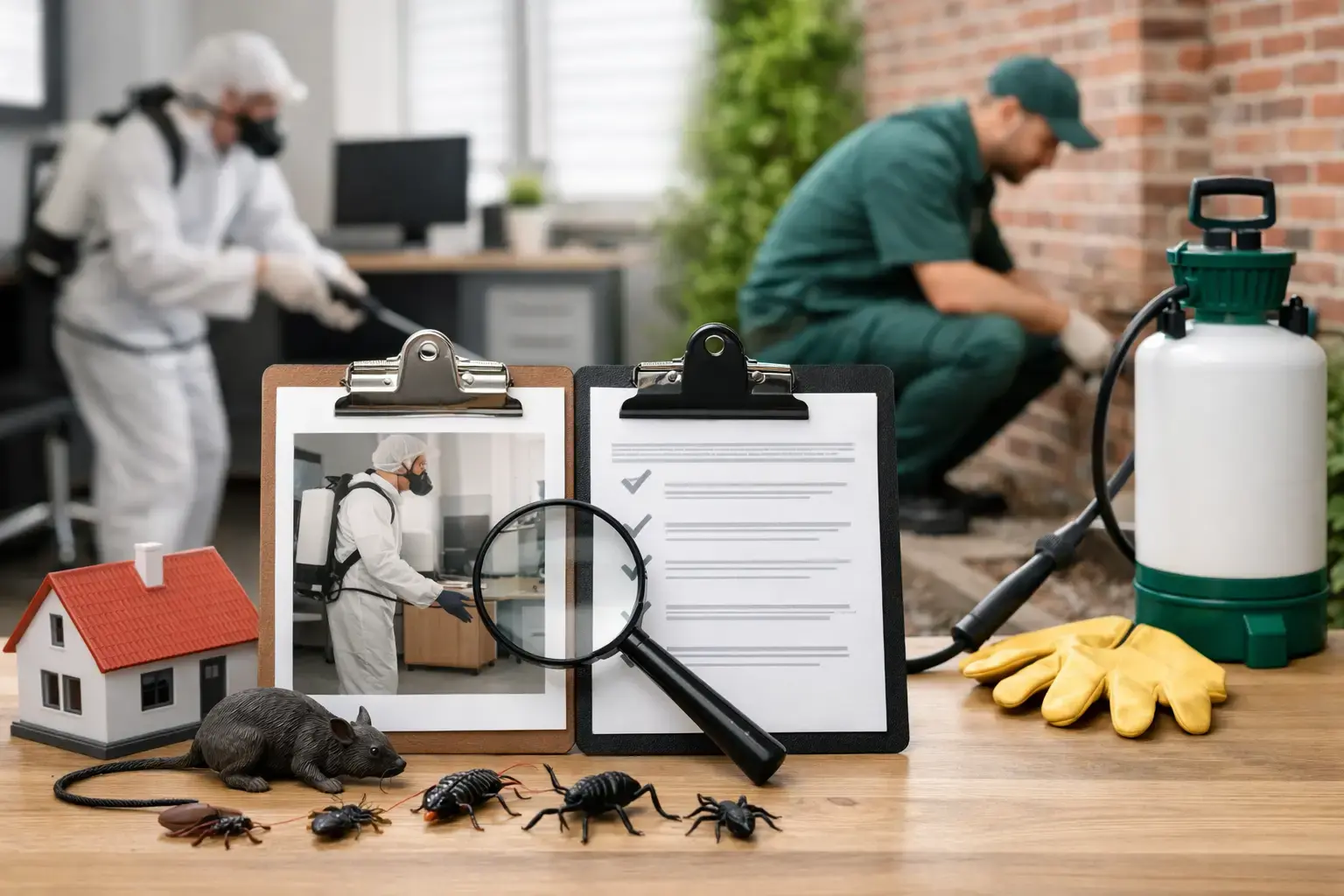
A pest control contract comparison usually starts too late - after the second mouse sighting, after a failed visit, or after an audit has raised concerns. By that point, the cheapest-looking agreement can become the most expensive one on the table. The right contract is not just about treatment. It is about response time, prevention, proofing, reporting and whether the provider can actually solve the issue.
For homeowners, landlords and commercial operators, the small print matters. Some contracts are built for quick callouts and little else. Others are structured to prevent repeat activity, support compliance and reduce disruption. If you are comparing pest control contracts, the real question is simple: what are you paying for, and what happens when the problem is harder than expected?
What a pest control contract should actually cover
A contract should match the risk level of the property. A domestic agreement for occasional wasp or rodent problems will look very different from a commercial pest management plan for a food site, warehouse, office or managed block. That sounds obvious, but many buyers still compare on price alone without checking what is included.
At a minimum, the contract should state which pests are covered, how often inspections take place, what happens between routine visits and whether emergency callouts are included or charged separately. It should also make clear whether recommendations such as proofing, hygiene changes or waste control are part of the service or simply noted in a report for you to deal with yourself.
That distinction matters. If a contractor only treats visible activity but does not address entry points, harbourage and attractants, the problem often returns. Good pest control is not just reactive. It is corrective and preventative.
Pest control contract comparison: price versus value
A lower monthly fee can be perfectly reasonable, but only if the scope is right. One contract may include scheduled inspections, digital reporting, trend analysis and follow-up visits. Another may cover a basic inspection and little more. Both may be described as pest control, but they are not offering the same level of protection.
This is where many property owners get caught out. A cheap contract can lead to extra charges for follow-up treatments, out-of-hours attendance, proofing recommendations and documentation needed for insurers, environmental health checks or tenant management. The headline figure looks attractive until the first real problem lands.
Value comes from reliability and effectiveness. If the provider identifies the cause, puts a proper plan in place and resolves recurring issues, that is usually worth more than a lower fee attached to a limited service. It depends on the site, the pest pressure and how much disruption a pest problem would cause.
The difference between domestic and commercial contracts
Domestic customers often need flexibility. A homeowner dealing with rats in the loft or ants in the kitchen may not need a long annual agreement. In those cases, a one-off treatment or short-term programme can be more suitable, especially if the source can be identified and dealt with quickly.
Landlords and managing agents often need something more structured. Void properties, HMOs and rental homes can experience repeat problems if access is delayed, waste storage is poor or proofing work is left outstanding. A contract can make sense where there is a pattern of recurring activity across several properties.
Commercial sites are different again. Here, the contract is often less about a single infestation and more about ongoing risk management. Hospitality, food production, healthcare, retail and logistics sites usually need regular inspections, service records and a contractor who understands compliance as well as treatment. If reputation, hygiene or operational continuity is on the line, the contract needs to reflect that.
What to look for in the service schedule
The visit frequency should be based on risk, not guesswork. Too few inspections leave gaps. Too many can mean you are paying for attendance that adds little value. A good provider will explain why a site needs monthly, bi-monthly or quarterly visits and will adjust if the risk changes.
You should also check what happens during each visit. Is the technician only checking bait points, or carrying out a full inspection of likely harbourage areas, access routes and signs of activity? Are findings recorded clearly? Are actions prioritised? A proper visit should leave you with a clear picture of the current risk and the next steps.
For commercial customers, reporting standards matter. If you need service documentation for audits or internal records, the contract should make this straightforward. Digital monitoring systems and structured reports are often more useful than handwritten notes that tell you very little.
Response times, callouts and difficult infestations
One of the biggest differences between contracts is what happens when a routine visit is not enough. If mice are active in a staff kitchen, birds are causing issues around a commercial entrance, or a wasp nest appears near customers, speed matters.
Some contracts include rapid response within agreed hours. Others treat callouts as an extra service, which can delay action and increase costs. It is worth checking not just whether emergency attendance is available, but what counts as urgent and how quickly the provider commits to attending.
This is also where technical ability becomes important. Straightforward infestations are one thing. Persistent infestations are another. If the contractor cannot diagnose why the activity is continuing, the contract may keep generating visits without producing a result. You need a provider that can go beyond basic treatment and deal with complex access, proofing failures and repeat entry routes.
Pest proofing, prevention and environmental responsibility
A contract built around endless treatment is rarely the best option. The stronger approach is to reduce the conditions that allow pests to thrive in the first place. That means proofing gaps, improving storage, managing waste, controlling vegetation where relevant and reducing food and water sources.
Not every contract includes this in a meaningful way. Some providers mention prevention but leave it vague. Others give specific site recommendations and can carry out practical corrective work. That is a major difference.
Environmental responsibility should also be part of the comparison. Responsible pest control is not about using more product. It is about using the right method for the risk, protecting non-target species and choosing effective solutions with care. For many customers, especially those managing family homes or public-facing premises, that matters as much as the treatment itself.
Questions worth asking before you sign
Before agreeing to anything, ask how success is measured. Is the aim suppression, ongoing management or full resolution? The answer should fit the pest, the property and the level of risk.
Ask whether the contract includes follow-up visits after treatment, whether proofing is quoted separately, and who is responsible for access, housekeeping or maintenance actions. Clarify the notice period, the contract length and whether recommendations are mandatory for any guarantee to apply.
It is also sensible to ask who will attend the property. A qualified technician who understands pest behaviour, building vulnerabilities and safe treatment methods adds real value. Pest control is not just a diary service. Results depend on field judgement.
Pest control contract comparison for local properties
For properties in and around Stockport, the right contract often comes down to the building type and the surrounding environment. Older properties may have more entry points. Food businesses may need tighter monitoring and cleaner reporting. Managed residential blocks often need discreet service and dependable communication with landlords, tenants and agents.
That is why a standard, one-size-fits-all agreement can be a poor fit. A contract should reflect the way the property is used, the likely pest pressures and how visible the issue would be if it escalated. Discretion matters in many settings. So does practical follow-through.
A specialist provider such as AZ Environmental Service Pest Control will usually focus on tailored treatment plans rather than generic cover, because that is what gets results where simpler approaches fall short.
The best contract is the one that solves the problem
When you compare pest control contracts properly, you stop looking at the monthly figure in isolation. You start looking at outcomes. Can the contractor identify the source? Can they respond quickly? Will they help prevent a repeat issue? Will the paperwork stand up when you need it? And if the infestation is more difficult than expected, do they have the technical ability to finish the job?
That is the standard worth using. A contract should give you confidence, not just attendance. If it is built around proper inspection, targeted treatment, prevention and accountability, it will save time, stress and repeat cost later on.
If you are weighing up options now, choose the agreement that deals with the real risk in front of you, not the one that only looks tidy on paper.