

Blog
One Off Versus Contract Pest Control
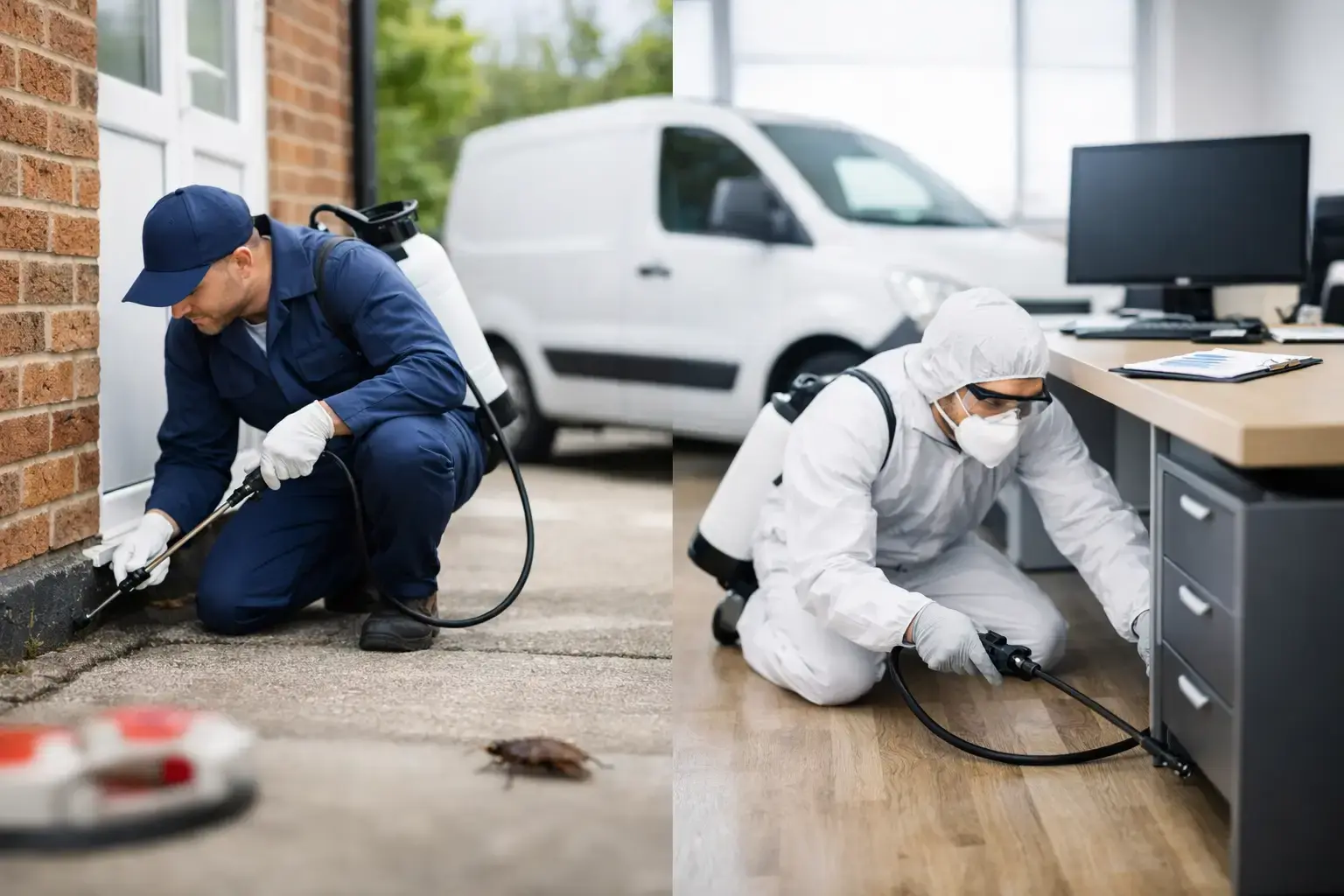
A rat in the loft, a wasp nest over the patio or a single mouse sighting in the kitchen often feels like a one-off problem. In many cases, it is. But when customers ask about one-off versus contract pest control, the real issue is not just cost. It is whether the pest problem is isolated, recurring or likely to create bigger risks if left to chance.
The right approach depends on the pest, the property and how much is at stake. For a homeowner, that might mean protecting the house and getting peace of mind quickly. For a landlord, managing agent or business, it can mean avoiding complaints, failed inspections, damaged stock or disruption to daily operations.
What one-off versus contract pest control really means
A one-off pest control service is usually designed to deal with a specific, identified problem. That could be a wasp nest treatment, a mouse infestation, a flea treatment in a rented property or an urgent call-out for ants. The goal is straightforward - identify the issue, treat it properly and advise on prevention.
A contract pest control service is ongoing pest management. Instead of responding only when pests appear, the property is monitored on a planned basis. Visits are scheduled, risks are assessed, activity is recorded and prevention work is built into the service. If activity is found, treatment is carried out as part of a wider management plan.
That difference matters. One-off work is reactive. Contract work is proactive. Neither is automatically better in every situation, but each suits different levels of risk.
When a one-off treatment makes sense
For many domestic pest issues, a one-off treatment is the right place to start. If the problem is visible, localised and unlikely to repeat once treated, there is often no need to commit to an ongoing programme.
Wasp nest removal is a good example. In most cases, the nest can be treated and resolved in a single visit or short treatment window. The same can apply to a single cluster fly issue, an isolated ant problem or a one-off call-out where the cause is obvious and easy to correct.
A one-off service can also suit landlords between tenancies. If a pest issue has been reported, dealt with and the conditions that allowed it have changed, contract cover may be unnecessary. The key is making sure the treatment is not just a quick fix, but part of a proper inspection and recommendation process.
That said, one-off treatment is only effective when the source of the problem is fully understood. If entry points remain open, food sources are still available or there is wider harbourage on site, the same pest issue can return.
When contract pest control is the better option
Contract pest control is usually the stronger option where pest risk is ongoing rather than occasional. Commercial premises are the clearest example. Food businesses, warehouses, offices, schools, care settings, landlords with multiple properties and facilities with a history of pest activity all benefit from regular monitoring.
The reason is simple. By the time pests are obvious, the problem is often already established. Regular inspections help pick up early signs before they become a larger infestation. That means less disruption, lower long-term cost and better protection for reputation and compliance.
For some domestic customers, contract pest control also makes sense. Larger properties, homes near fields or watercourses, buildings with recurring rodent issues and households that have experienced repeated infestations can all benefit from scheduled visits and preventative proofing advice.
Where pests are persistent, seasonal or linked to the structure of the building, a contract moves the focus from treatment alone to long-term control.
The cost question - cheaper now or cheaper overall?
Many customers compare one-off versus contract pest control by looking at the initial price. That is understandable, but it is not always the best way to judge value.
A one-off service will usually cost less upfront. If the problem is genuinely isolated, that is often the most sensible and cost-effective route. Paying for regular visits when no ongoing risk exists is unnecessary.
But repeated one-off call-outs can quickly become more expensive than a contract, especially where the root cause has not been addressed. A business dealing with frequent mouse activity, for example, may end up paying more through emergency visits, staff time, stock damage and lost confidence than it would through a planned pest management agreement.
There is also the hidden cost of delay. Waiting until pests are visible can allow numbers to build, damage to increase and treatment to become more involved. Contract services reduce that risk because the property is being checked before the issue reaches that point.
Compliance, records and commercial responsibility
For businesses, pest control is not just about removing pests. It is also about showing that the site is being managed responsibly.
A contract service provides a clear inspection trail, service records and a planned approach to monitoring and prevention. In sectors where hygiene, audits or environmental health standards matter, that paperwork is not an optional extra. It supports due diligence and helps demonstrate that pest risks are being taken seriously.
A one-off treatment may solve an urgent issue, but it does not create the same level of ongoing oversight. For many commercial operators, especially in hospitality, food handling and property management, that is the real reason contract pest control is preferred.
One-off versus contract pest control for landlords and agents
Landlords and property managers often sit between these two options. Some properties only need one-off treatment from time to time. Others need routine attention because of building age, location, tenant turnover or previous pest history.
If the pest issue is linked to a single incident, a one-off treatment may be enough. If the same property keeps producing reports of mice, bed bugs, fleas or cockroaches, a contract may be the more practical decision. It shows a more controlled approach, reduces repeated reactive call-outs and helps protect both the asset and the tenant relationship.
In blocks, HMOs and managed housing, ongoing monitoring can be especially useful because pest activity in one area can spread quickly if not dealt with early.
The role of proofing and prevention
Whether you choose a one-off service or a contract, treatment on its own is only part of the job. Effective pest control depends on identifying why the pests are there in the first place.
That might mean proofing gaps around pipework, improving waste storage, addressing harbourage in outbuildings, changing cleaning routines or dealing with structural defects. Without that step, even a successful treatment can become temporary.
This is where experience matters. A proper pest control service should not just apply treatment and leave. It should assess risk, explain the cause and recommend practical action that reduces the chance of the issue returning.
How to choose the right option for your property
The best starting point is to ask a simple question: is this a one-time pest issue, or is there an ongoing risk that needs managing?
If the answer is clearly one-time, a professional one-off treatment is likely to be enough. If the answer is uncertain, or if the same problem has happened before, it is worth looking at a contract. The more sensitive the property, the more value there is in regular inspection and prevention.
A good provider will not force every customer into the same model. They should assess the site, identify the pest pressures involved and recommend the level of service that genuinely fits. In some cases that will be a single treatment. In others, it will be a planned programme with routine visits, monitoring and proofing support.
For customers across Stockport and the wider area, that practical approach matters. The aim is not to oversell. It is to solve the problem properly and put the right level of protection in place.
If you are weighing up one-off versus contract pest control, focus on risk rather than assumption. The cheapest option is the one that deals with the issue properly the first time and keeps it from coming back.