

Blog
Mouse Infestation Case Study: What Solved It
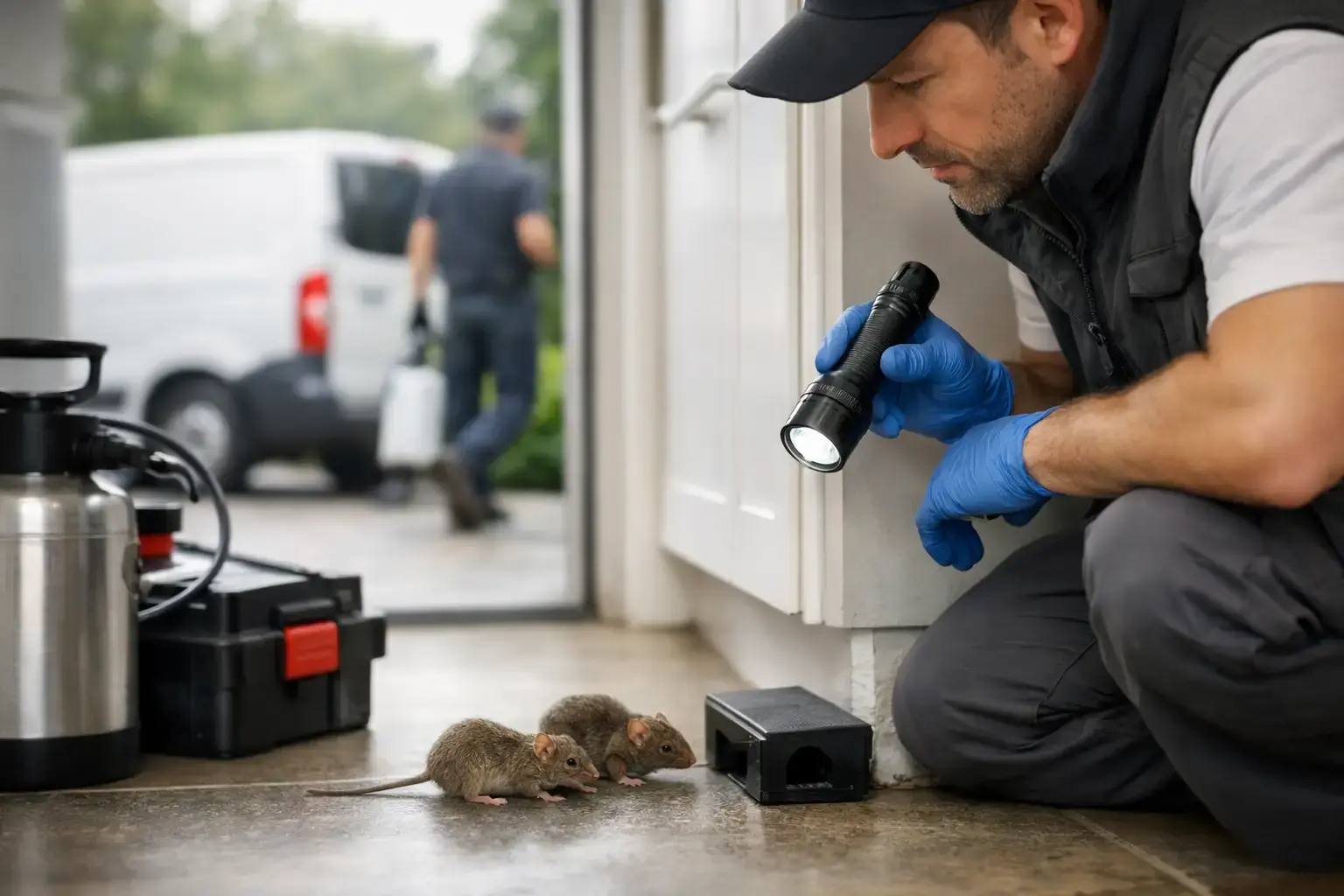
The first sign was not a mouse. It was a pattern.
A landlord kept replacing damaged food stock in a small staff kitchen, a tenant in the adjoining part of the building reported scratching behind the skirting at night, and someone had already put down shop-bought traps twice without stopping the activity. This mouse infestation case study matters because that is how many serious infestations begin - not with one obvious sighting, but with a string of small warnings that point to a wider access and harbourage problem.
In this instance, the property was a mixed-use building with regular footfall, stored goods, service voids and several points where pipes and cables passed through walls. On the surface, it looked manageable. In practice, it had the exact conditions mice exploit - warmth, shelter, routine food sources and enough hidden movement routes to avoid casual control measures.
Mouse infestation case study: the real issue
By the time a professional survey was carried out, there had already been weeks of low-level activity. Droppings were present beneath kitchen units, behind stored items and along the edges of internal walls. There were grease marks at a narrow run behind appliances, shredded material in a boxed storage area, and a clear ammonia odour in one enclosed void. None of these signs on their own was unusual. Together, they showed an established infestation rather than a single mouse wandering in from outside.
The key point was that the building users had focused on where the mice were being seen, not how they were moving through the property. That is a common mistake. Mice are rarely active in open areas for long. They travel along edges, stay tight to cover and build routines around safe routes. If those routes stay open, catches in one room often do very little to reduce the wider population.
The survey identified several likely entry points at low level around external pipework and worn gaps around service penetrations. Internally, the structure allowed movement between voids, cupboards and storage areas. There was also evidence that food handling and storage habits, while not poor, were enough to support ongoing activity. In other words, this was not just a treatment job. It was a treatment and proofing job.
Why the first control attempts failed
This part of the mouse infestation case study is the most useful for property owners because it shows why infestations keep returning.
The original attempts relied on off-the-shelf products placed where activity had been noticed. That can catch a few mice, especially in the early stages, but it rarely addresses the reason the infestation exists. If access points are left open, if harbourage remains in place and if the treatment is not based on a full inspection, the population simply shifts its movement. People then assume the problem has gone quiet when, in reality, the mice are still active in voids or neighbouring sections of the building.
There is also the issue of trap placement. Mice do not move randomly through the centre of a room. They follow edges, dark corners and concealed lines of travel. Poorly positioned devices are often ignored. The same applies to baiting. If more attractive food sources are readily available, control products may not be taken in the way expected.
In commercial or mixed-use settings, another trade-off appears. You need a fast result, but you also need a controlled, compliant approach that does not create risk for staff, tenants or visitors. That is why a proper programme matters more than a rushed response.
The treatment plan
The solution started with a mapped inspection rather than immediate blanket treatment. Activity zones were identified, entry points were logged, and the likely nesting and feeding areas were separated from simple transit routes. That distinction matters. If you treat every sign the same way, you waste time. If you understand where mice are living and where they are only passing through, control becomes far more precise.
A targeted programme was then put in place using secure professional control measures in the highest activity areas. Monitoring points were used to track movement and feeding behaviour over time, which allowed the treatment to be adjusted rather than guessed. This is especially useful where infestations involve concealed voids or multiple occupiers, because activity often shifts as pressure is applied.
At the same time, proofing recommendations were issued for the building fabric. Small gaps around utilities, defects at the base of doors and unsealed service penetrations were all contributing factors. With mice, tiny openings matter. A gap that looks insignificant to a property owner can be enough to maintain an entire infestation.
Housekeeping advice was also part of the plan, but in a practical way. The aim was not to burden the occupier with unrealistic routines. It was to remove easy food access, reduce clutter in vulnerable storage areas and make sure stock was lifted and contained properly. Pest control works best when treatment, proofing and prevention support each other.
What happened over the next visits
The first revisit showed what you would expect in a genuine infestation - clear signs that control points had been found and used, but also continued low-level movement along one previously hidden route. That route ran behind fitted units and into a service area that had not looked significant at first glance. Once identified, it explained why earlier efforts had only reduced visible sightings without stopping the problem.
The treatment plan was adjusted to reflect that finding. Additional control points were positioned along the concealed run, and proofing work was prioritised around the access route feeding that section of the building. Monitoring then showed a marked drop in activity.
By the following inspection, fresh droppings had reduced sharply, feeding had slowed and reports of scratching had stopped. That is the point where some people assume the job is done. It often is not. Ending too early is one of the main reasons mouse problems return. A professional approach looks for the absence of ongoing evidence, not just a quieter week.
Final clearance depended on continued monitoring and confirmation that the access points had been properly sealed. Once that was completed, the infestation was considered resolved and the property was moved onto a prevention-based recommendation rather than active treatment.
What this case study shows about mouse control
The main lesson from this mouse infestation case study is simple: mice are a building problem as much as a pest problem.
If the structure gives them entry, if the layout gives them cover and if daily use gives them food, they will keep finding a way to remain active. Treatment on its own can reduce numbers. It does not always deliver a lasting result unless the reasons for infestation are removed as well.
It also shows why recurring activity should never be dismissed as normal. A few droppings in a cupboard, scratching in a ceiling void or packaging damage in one room can all point to a much larger movement network through the property. The earlier that is investigated, the easier and more cost-effective the solution usually is.
For landlords and property managers, there is an added consideration. Delay can turn a contained issue into a tenancy complaint, a hygiene concern or a reputational problem. For commercial premises, the standard is even higher. You need evidence of control, a clear audit trail and confidence that the solution is not just cosmetic.
That is where a specialist service makes the difference. Proper identification, a detailed survey, discreet attendance and a treatment plan built around the actual site conditions will always outperform guesswork. In more complex properties across Stockport and surrounding areas, that technical approach is often what separates a short-term reduction from a genuine fix.
When to act
If you are hearing scratching at night, finding droppings along skirting boards, noticing gnaw marks on packaging or seeing repeated activity after trying to deal with it yourself, the safest assumption is that the infestation is established. Waiting for a clearer sign usually means giving mice more time to breed, spread and settle deeper into the building.
The right response is not panic. It is a proper inspection, an honest assessment of the scale of the issue and a plan that covers treatment, proofing and prevention together. That is how difficult infestations are resolved properly, and that is why the best results come from acting early rather than living with the problem for another month.