

Blog
Landlord Pest Guide for Rental Properties
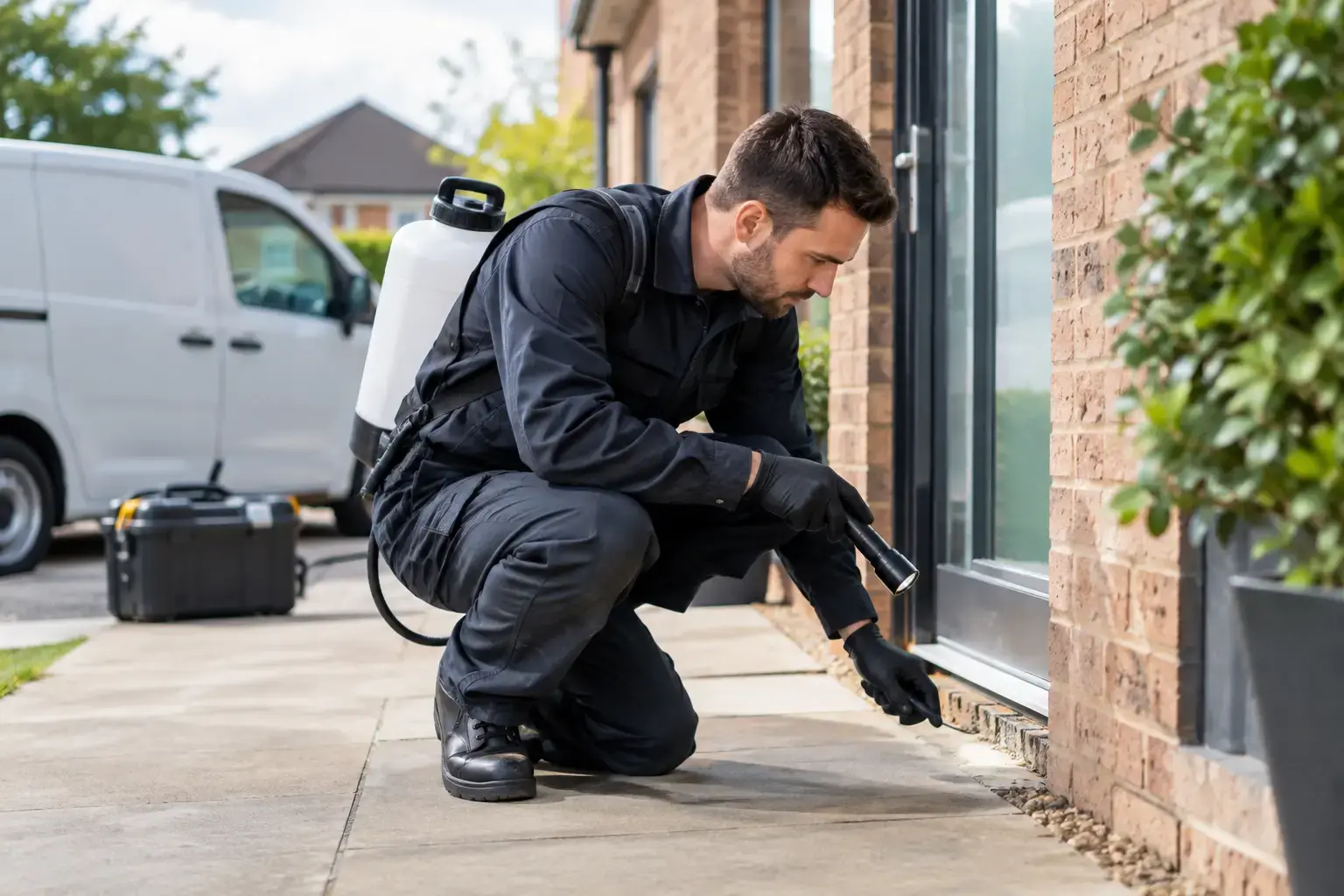
A pest report from a tenant should never sit unanswered. Rats can damage wiring, bed bugs can spread between rooms and flats, and a small moth or cockroach issue can quickly become a larger tenancy and reputation problem. This landlord pest guide explains how to respond properly, establish the likely cause and protect your rental property from repeat infestations.
Who is responsible for pests in a rented property?
Responsibility is not always as simple as saying that pests are the landlord's problem or the tenant's problem. In practice, it depends on why the infestation started, the condition of the property, the terms of the tenancy agreement and how quickly the issue was reported.
A landlord will usually need to act where pests have gained access through a defect in the building. Common examples include gaps around pipes, damaged air bricks, loose roof tiles, faulty drainage, broken vents or holes in external walls. A pre-existing infestation, poor property condition or an issue affecting communal areas may also place responsibility with the landlord or managing agent.
Tenants also have a duty to look after the home reasonably. Food left exposed, overflowing bins, unreported leaks and failure to report early signs of pests can all contribute to an infestation. That does not automatically remove a landlord's responsibility to make the property safe and habitable, but it can affect how costs are handled.
The sensible approach is to avoid assumptions. Arrange an inspection, identify the pest and look for the conditions allowing it to survive or enter. A qualified pest professional can provide practical evidence, rather than relying on conflicting accounts of what may have happened.
Landlord pest guide: what to do when a tenant reports an issue
A quick, structured response protects the tenant, the property and your position as a landlord. Ask the tenant what they have seen, where they have seen it and when the activity began. Photos of droppings, damage, insects or bites can be useful, but they are not a substitute for a proper survey.
Assess the risk before arranging treatment
Some pest problems need urgent action. Rats and mice can contaminate food areas, damage electrical cables and carry disease. Bed bugs can spread through furnishings and adjoining rooms. Cockroaches, fleas and flies can become significant hygiene concerns, particularly in shared accommodation.
Wasps require a different assessment. A nest near a bedroom window, entrance, loft access point or children's play area may need prompt professional removal, while a nest at the far end of a garden may present less immediate risk. Never ask a tenant to block an active wasp nest entrance or use shop-bought insecticide in an enclosed space.
For any report, establish whether there are children, vulnerable occupants, pets, food businesses or shared communal spaces involved. This helps determine the appropriate treatment method and the urgency of the visit.
Inspect the cause, not just the pest
Killing the pests without removing the reason they are present is one of the main causes of repeat call-outs. A good inspection should cover the interior of the property, external entry points and relevant surrounding areas.
For rodents, look for droppings, grease marks, gnawed materials, gaps beneath kitchen units, damaged pipe seals and access around drains. For bed bugs, inspect bed frames, mattresses, sofas, skirting boards and adjoining rooms. For stored-product insects, check cupboards, dry food containers and neglected stock left by previous occupants.
If the property is a flat or house in multiple occupation, consider whether the source sits beyond the tenant's own accommodation. Void areas, bin stores, neighbouring properties, loft spaces and shared drainage can all be relevant. Treating one room in isolation may simply move the problem elsewhere.
Give clear instructions while treatment is arranged
Tenants need simple, practical guidance. Ask them not to move potentially infested furniture between rooms, not to dispose of evidence such as droppings before an inspection, and not to use multiple DIY products that could interfere with treatment. They should keep food sealed, clear floor clutter where possible and continue to report sightings.
For bed bugs, preparation instructions are particularly important. Laundry, bagging items and vacuuming may form part of a treatment plan, but the exact process depends on the extent of activity. Giving generic instructions without a survey can spread insects through the property or lead to unnecessary disposal of belongings.
Prevention starts with the building
The most cost-effective pest control is prevention built into routine property maintenance. Between tenancies, carry out a detailed check rather than a quick cosmetic clean. A void period is the best time to find access points, repair defects and address signs of historic activity before a new tenant moves in.
Pay particular attention to these areas:
- Gaps around service pipes, boiler pipes, cable entries and kitchen waste outlets.
- Damaged brickwork, air vents, soffits, roof edges and external doors.
- Leaking pipes, poor drainage and standing water around the property.
- Overgrown vegetation touching walls, cluttered yards and poorly managed bin storage.
- Lofts, cellars, under-stair cupboards and behind fitted kitchen units.
Pest proofing must be carried out carefully. Blocking a hole without confirming whether rodents are already inside can trap them within the building, causing further damage and odour issues. Ventilation points must remain functional, and proofing work should never create damp, fire safety or drainage problems.
Cleanliness matters, but it is only part of the picture. Even a well-kept property can develop a mouse problem through a gap behind a kitchen unit or a rat issue through defective drainage. Equally, a structurally sound property can attract pests if waste is regularly allowed to build up. Effective prevention deals with both access and available food, water and shelter.
Keep records that protect everyone
Maintain a written record from the first report through to completion of treatment. Note the date the tenant contacted you, the nature of the report, the action taken, survey findings, treatment dates and any repairs completed. Keep copies of pest control reports and invoices with the property file.
This is useful for more than disputes. It helps identify recurring patterns, especially where the same property has repeated mouse activity each autumn, ongoing moth problems in stored furnishings or bird-related issues around rooflines. Records also allow a managing agent or landlord to show that reports have been taken seriously and addressed promptly.
If tenant actions are contributing to the issue, deal with this professionally and factually. Explain the evidence, set out the practical changes required and give a reasonable timescale. A confrontational approach rarely resolves a pest problem. Clear communication and a documented plan usually do.
When DIY treatment is the wrong choice
DIY products may deal with the occasional visible insect, but they are often unreliable for established infestations. Rodent poison used incorrectly can create risks for children, pets and wildlife, while rodents may die in inaccessible voids. Insect sprays can scatter bed bugs or cockroaches into new hiding places, making professional treatment more difficult.
Professional help is particularly advisable for rats, recurring mice, bed bugs, cockroaches, fleas, wasp nests, bird control issues and any infestation in shared or commercial premises. The right service should identify the species, assess the extent of the issue, provide a tailored treatment programme and advise on proofing or hygiene measures needed to prevent a return.
For landlords in Stockport and across Greater Manchester, AZ Environmental Service Pest Control provides discreet pest management, with unmarked electric vans and treatment plans designed around the property rather than a one-size-fits-all visit. This is especially valuable where a recurring issue has not been resolved by basic treatment alone.
Work with tenants, not around them
Access is essential. Treatments fail when technicians cannot inspect all affected areas, when preparation is incomplete or when follow-up visits are missed. Agree access arrangements in writing, give appropriate notice and explain why attendance at every stage matters.
Be realistic about timescales. Some pests can be resolved quickly; others require monitoring, repeat treatment and proofing works. Bed bugs and rodents, for example, may need more than one visit because eggs hatch or activity becomes clearer after initial control measures. A confident plan is better than an unrealistic promise of an instant fix.
A well-managed pest report can strengthen a tenancy rather than damage it. Respond promptly, investigate the source, document the work and make the repairs that stop pests returning. That is how landlords protect their properties, their tenants and the long-term value of their investment.