

Blog
Landlord Guide to Pest Treatment and Prevention
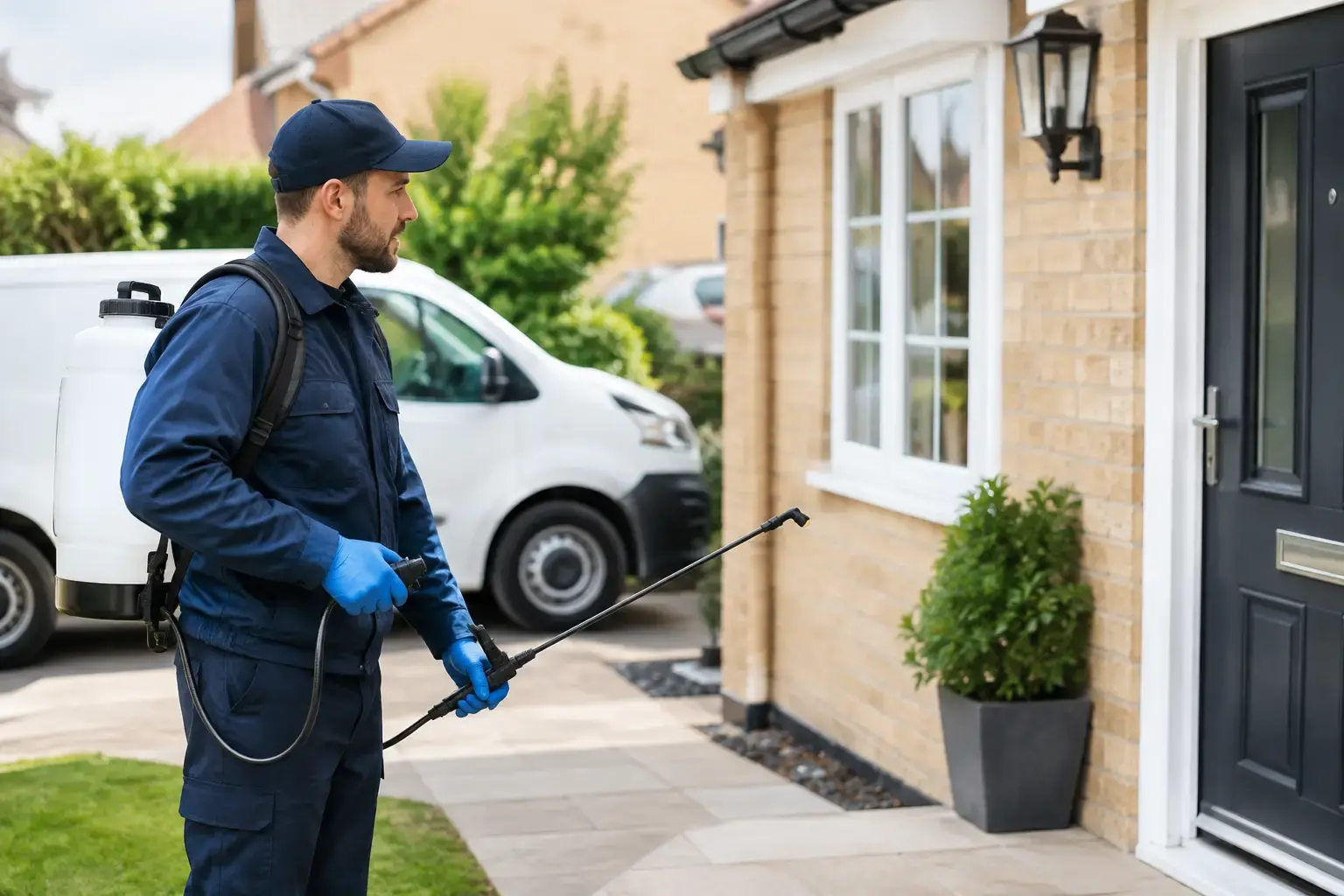
A single report of scratching in a loft, bites after sleeping or droppings beneath a kitchen unit can become a costly tenancy dispute if it is ignored. This landlord guide to pest treatment explains how to establish what is happening, act fairly and quickly, and stop a repeat infestation rather than simply treating the visible signs.
For landlords, pest control is not only about removing rats, wasps, bed bugs or insects. It is about protecting the condition of the property, meeting repair responsibilities and giving tenants confidence that their home is safe to live in. The right response depends on the pest, the likely cause and the condition of the building.
Start with identification, not assumptions
Different pests leave different evidence, and the treatment that works for one problem may be ineffective or inappropriate for another. Small dark droppings around skirting boards may point to mice, while larger droppings, greasy rub marks and gnawed cables are more consistent with rats. Repeated bites in bedrooms could be bed bugs, fleas or another cause entirely. A buzzing sound in a wall cavity may be a wasp nest, but it may also be harmless activity from another species.
Avoid asking a tenant to identify the pest from a quick internet search and then buying a treatment product on that basis. Misidentification wastes time and can make an infestation harder to control. Some over-the-counter products are also unsafe when used incorrectly, particularly in homes with children, pets or vulnerable occupants.
A professional survey should establish the pest species, the extent of activity, entry points, harbourage areas and the conditions allowing the problem to continue. In a block of flats, this may mean looking beyond one dwelling. Rodents can move through shared voids, drains and service routes, while bed bugs can spread between adjoining properties.
Who is responsible for pest treatment?
Responsibility is not always as simple as “landlord” or “tenant”. In general, a landlord is likely to be responsible where pests are linked to the property’s condition or an existing issue at the start of a tenancy. Examples include gaps around pipework, damaged air bricks, defective drains, broken roof tiles, poorly fitting doors, damp voids or accumulated rubbish left by a previous occupant.
A tenant may be responsible where an infestation is clearly caused by their actions during the tenancy, such as failing to dispose of household waste, leaving food exposed or bringing an infestation into the property. However, this should not be assumed. A clean and well-kept home can still develop a pest problem through structural access points, neighbouring premises or a hidden drain fault.
The practical priority is to deal with the active infestation promptly while the facts are established. Delaying treatment to argue about liability can increase damage, distress and treatment costs. Keep records of the report, inspection findings, photographs, communications and any repair work. This gives both parties a clear account of what happened and why a particular course of action was taken.
Respond quickly when health or property is at risk
Rodents can contaminate food areas and damage insulation, pipes and electrical wiring. Cockroaches and flies can create hygiene concerns, particularly where food is prepared. Bed bugs can cause significant distress and often require a carefully managed programme rather than a one-off visit. Wasps become a greater risk when a nest is near entrances, bedrooms, roof spaces or areas used by children.
Tell tenants what will happen next and when. Clear communication matters: they need to know whether they should avoid a room, remove food from cupboards, wash bedding, move furniture or provide access for follow-up visits. Do not give vague instructions such as “keep the place clean”. Give practical, pest-specific preparation guidance based on the treatment plan.
Where treatment is required in an occupied property, use a qualified pest management professional who can assess risks and select the most appropriate method. The goal is effective control with the least necessary impact on people, pets, non-target wildlife and the surrounding environment.
Treat the cause as well as the pest
A bait station may reduce a rodent population, but it will not solve an open drain, a gap beneath a rear door or a damaged air brick. An insecticide treatment may reduce visible cockroaches, but it will not remove the warmth, moisture and food sources that support them. Good pest management combines treatment with proofing, hygiene advice and repairs.
For rodents, this often means sealing gaps around utility pipes, fitting appropriate mesh to vents, repairing damaged brickwork and checking drainage where activity is persistent. Proofing work needs care. Ventilation must not be blocked, and no work should trap animals inside a cavity.
For bed bugs, a treatment plan may require more than one visit, detailed preparation and tenant cooperation. Heat, laundering and targeted professional treatments can all play a part, depending on the level of infestation and the layout of the property. Replacing a mattress without treating the room, for example, is rarely a dependable solution.
For wasps, the nest should be assessed before treatment. Attempts to block an active nest entrance can drive wasps into the property or through other gaps. Once activity has ceased, any necessary repairs can be completed safely.
Protect the property between tenancies
A void period is the best time to resolve hidden risks before a new tenant moves in. Include a pest-focused check in your changeover process, especially where there has been a previous report, a long vacancy or building work.
Inspect kitchens, lofts, cellars, bin storage areas, meter cupboards and external walls. Look for droppings, gnawing, chewed insulation, food debris, nests, damp patches and gaps around services. Check that rubbish has been removed, external bins close properly and garden growth is not creating covered routes straight to the building.
If a property has had recurring mouse or rat activity, a professional proofing survey can be more cost-effective than repeated reactive call-outs. It identifies weak points that are easy to miss during routine maintenance, including voids behind kitchen units and access routes at roof level.
Do not overlook shared areas and neighbouring factors
In managed blocks and houses of multiple occupation, common areas can determine whether treatment succeeds. Bin stores, shared kitchens, communal corridors, roof voids and drainage systems need coordinated attention. Treating one flat in isolation may give only temporary relief if the source remains elsewhere in the building.
Landlords should also consider external influences. Construction work can disturb rodents, overflowing commercial bins can attract pests, and neighbouring gardens or properties may create ongoing pressure. You cannot control every external factor, but you can strengthen the building’s defences and monitor for early signs of activity.
Commercial landlords have additional reputational and operational considerations. Food businesses, care settings, offices and retail premises need documented pest management that reflects the risk level of the site. Discreet attendance and planned monitoring can help resolve issues without unnecessary disruption to staff, customers or tenants.
Use prevention as part of routine maintenance
Prevention works best when it is built into normal property management rather than treated as an emergency measure. Keep external areas clear of waste, repair defects quickly and make sure tenants know how to report early signs without fear of blame. A tenant who reports a few droppings promptly gives you a far better chance of resolving the issue before it becomes a larger infestation.
Bird activity also needs a measured approach. Many birds and nests are legally protected, so removal or proofing work must be timed and planned correctly. Bird control should focus on lawful exclusion, proofing and cleaning methods that protect the building without causing unnecessary harm.
At AZ Environmental Service Pest Control, we provide discreet surveys, tailored treatment programmes and practical proofing for landlords across Stockport and the surrounding area. The most effective pest treatment is the one that leaves the property secure, the tenant informed and the original cause properly resolved.