

Blog
How to Protect Bins From Rats: 8 Practical Steps
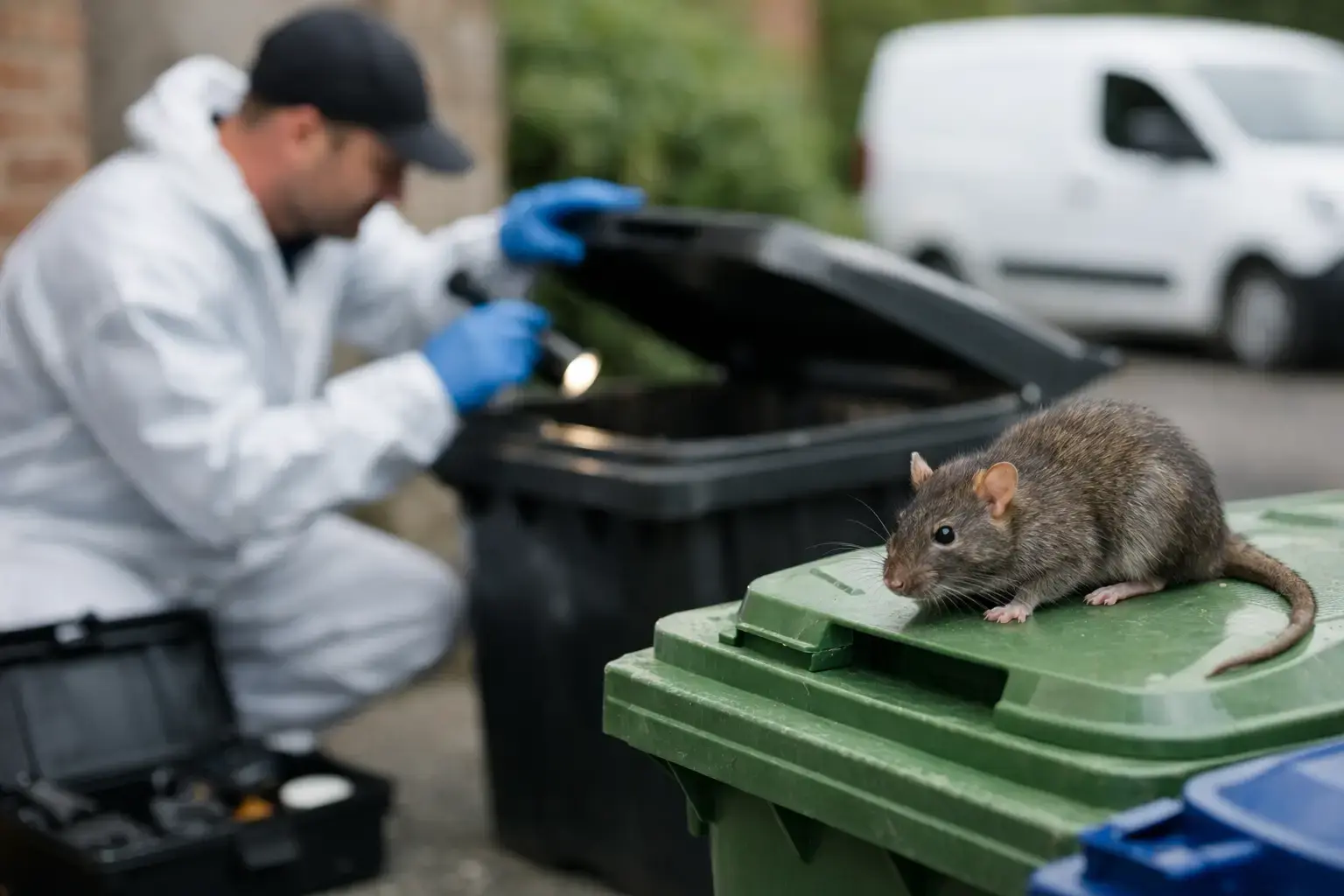
A bin lid left slightly open overnight can be enough to start a rat problem. Rats are excellent climbers, persistent scavengers and quick to return to any reliable food source. Knowing how to protect bins from rats is therefore not simply about keeping a tidy driveway - it is one of the most effective ways to reduce the risk of rats entering gardens, sheds, garages and buildings.
For homes, landlords and commercial premises, the aim is simple: remove access to food, make the bin area difficult to reach and act early if there are signs of activity. A clean-looking bin area may still attract rats if food waste is accessible, so the details matter.
Why rats target wheelie bins
Rats are drawn to household and commercial waste because it provides calories with little effort. Food residue on packaging, loose rubbish bags, pet food tins and overflowing bins can all create a regular feeding point. Once rats find it, they may establish routes through fencing, behind sheds, under decking or along walls to reach it safely.
A single rat sighting does not always mean there is an established infestation. However, droppings around the bin store, chewed bags, greasy rub marks on walls, burrows nearby or repeated sightings after dark should be taken seriously. Rats breed quickly, and a problem that begins around a bin can spread into the property if conditions remain favourable.
How to protect bins from rats effectively
The most reliable approach combines good waste handling with practical proofing. No one measure is guaranteed to work in isolation, particularly where rats already have an established route or nesting site nearby.
Keep every lid fully closed
The lid is the first line of defence. Do not overfill wheelie bins to the point where the lid cannot shut properly, and avoid leaving bags balanced on top while waiting for collection day. Rats can tear through thin refuse sacks and will exploit even a narrow gap around the lid.
If your bin is regularly too full, consider whether waste can be divided between collections, whether recycling is being used effectively, or whether the bin capacity needs reviewing. For commercial sites, collection schedules should match the volume of waste produced. Overflowing waste is both a pest risk and a hygiene issue.
Where a lid is cracked, warped or missing, arrange a replacement through the relevant waste provider. A damaged bin is far easier for rats to access and will continue to cause problems regardless of how often the area is cleaned.
Do not leave loose food waste in bags
Bag food waste securely before putting it in the wheelie bin. This is especially important for meat, fish, bones, takeaway leftovers and used food packaging. These materials produce strong odours and can attract rats even when the lid is closed.
Rinse food containers before recycling where practical, particularly jars, tins and plastic trays with visible residue. You do not need to make them spotless, but reducing food traces makes the bin less rewarding to pests. If your local authority provides a food caddy, use it correctly and ensure its outer container is shut securely.
Clean the bin and the ground around it
Spilled waste matters as much as what is inside the bin. A sticky patch beneath a wheelie bin, leaking bag residue or scattered rubbish can provide enough food to keep rodents returning. Sweep the surrounding area regularly and remove debris from behind and underneath bins.
Wash the inside of bins periodically, using hot water and a suitable cleaning product. Pay attention to the lid, rim and handles, where food residue can build up. Allow the bin to dry before use where possible. Regular cleaning will not solve an active infestation on its own, but it removes the scent trails and food traces that encourage repeat visits.
Store bins away from easy cover
Rats prefer to move along sheltered routes rather than cross open ground. Position bins away from dense shrubs, overgrown vegetation, stacked timber, cluttered storage and the underside of decking where possible. These areas offer cover and may conceal nesting places or burrow entrances.
Leave a clear gap between bins and walls or fences where practical. This makes it easier to inspect for droppings, gnaw marks and runways, while reducing the sheltered space rats favour. It also prevents bins becoming a convenient step up to fences, low roofs or open windows.
For properties with limited outdoor space, keep the bin position as open and accessible for inspection as possible. The objective is not perfection - it is making the location less safe and less convenient for rodents.
Use a secure bin store with care
A bin store can protect waste from weather and improve the appearance of a property, but the wrong design can create a hidden rodent harbourage. Open-backed timber stores, damaged panels and gaps at ground level can give rats sheltered access to the bins inside.
Choose a solid, well-maintained structure with close-fitting doors and a secure base. Metal or durable plastic stores are often easier to clean than untreated timber. Check for gaps around pipework, corners and the base, and repair any damage promptly.
Do not treat a bin store as a place for spare bags, cardboard, garden waste or unused household items. The more clutter inside it, the more shelter it provides. For commercial premises, bin compounds should be included in a routine pest-management inspection rather than being checked only after a sighting.
Deal with garden food sources too
If rats can feed elsewhere in the garden, securing the bins may only move the problem a few metres. Bird feeders can spill seed, compost heaps may contain kitchen waste, and outdoor pet food can attract rodents overnight.
Keep bird feeding areas tidy and clear up spilled seed. Never add cooked food, meat, dairy products or oils to an open compost heap. Bring pet food bowls indoors after feeding, and keep animal feed in sealed, rodent-resistant containers.
Fruit fallen from trees should also be collected regularly. In autumn, this is a common overlooked source of food for rats and other nuisance wildlife.
Check drains, fences and entry points
Bins are often the food source, but they are not always the route into the site. Rats may travel through damaged drains, gaps under gates, broken air bricks, voids around pipes or holes in boundary fencing. If sightings continue after bin hygiene has improved, inspect the wider area.
Look for burrows near walls, sheds, compost areas and beneath patios or decking. Rat burrow entrances are usually smooth, well-used holes with loose soil nearby. Do not block an active burrow without identifying the wider problem, as rats may simply create a new route or move closer to the building.
Proofing work should focus on durable materials and must not obstruct ventilation or drainage. Small gaps may need metal mesh or purpose-made guards, while larger defects can require repair by a competent professional. Drain faults should be investigated properly, particularly where activity appears repeatedly around one area.
Avoid relying on improvised deterrents
Strong smells, ultrasonic devices and household remedies are often marketed as quick answers. In practice, their results are inconsistent. Rats are highly adaptable, and a deterrent will not overcome the attraction of regular food waste and sheltered harbourage.
Likewise, placing poison around bins without a proper assessment can create unnecessary risks for children, pets and non-target wildlife. It may also fail to address the reason rats are present. Professional pest control uses a planned approach based on inspection, treatment where appropriate, proofing and follow-up monitoring.
When bin protection is not enough
Call a professional if you are seeing rats repeatedly, finding fresh droppings, noticing burrows, hearing activity in walls or floors, or discovering chewed materials around the property. This is particularly important for landlords, food businesses, care settings and any premises where hygiene standards or public confidence are at stake.
A proper survey identifies feeding points, travel routes, harbourage and potential access into the building. At AZ Environmental Service Pest Control, treatment plans are tailored to the property and supported by practical prevention advice, so the issue is addressed rather than temporarily pushed elsewhere.
The best time to act is when the first signs appear. Keep bins closed, clean and clear of surrounding clutter, then investigate any repeated activity before rats turn a convenient food source into an established infestation.