

Blog
How to Proof Garage Pests Properly
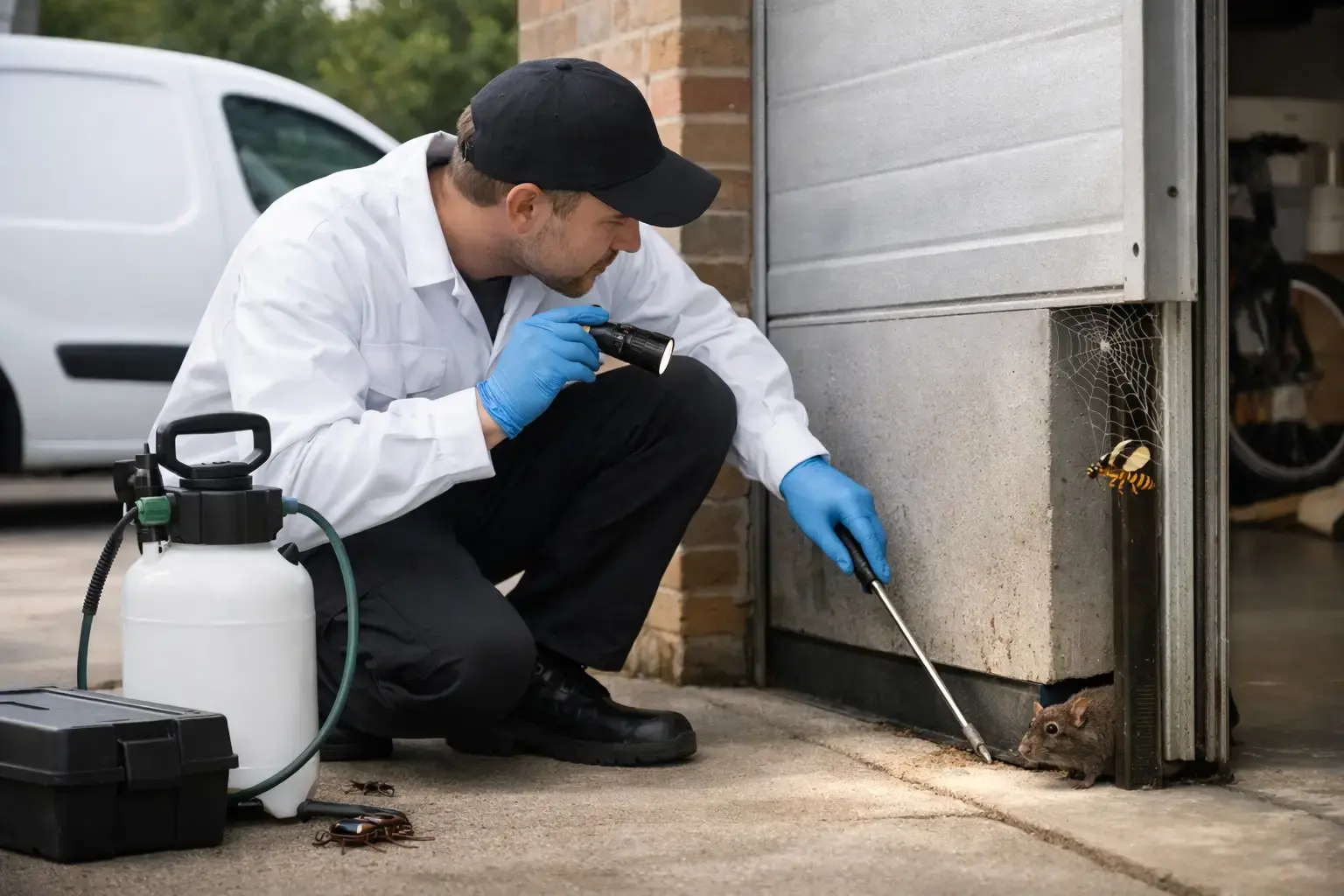
That bag of bird seed in the corner, the cardboard boxes stacked against the wall, the small gap under the garage door - that is often all it takes. If you are looking up how to proof garage pests, the issue has usually moved beyond theory. You have either seen droppings, heard scratching, found chewed packaging or spotted insects where they should not be.
A garage is one of the easiest parts of a property for pests to exploit. It is quieter than the kitchen, less frequently cleaned than the main house and often full of shelter, clutter and hidden access points. For homeowners, landlords and commercial premises with storage areas, proper proofing is not about one quick fix. It is about making the space harder to enter, less attractive to stay in and easier to inspect.
Why garages attract pests
Garages give pests three things they need - cover, warmth and opportunity. Even detached garages can hold residual heat, especially around appliances, boilers, tumble dryers or adjoining walls. Add stored items, soft furnishings, pet food, tools, timber and packaging, and you have an environment that supports rodents, crawling insects and occasional wasps.
Mice are a common problem because they can get through very small gaps and nest behind stored items with little disturbance. Rats are more likely where garages connect to drains, gardens, food waste areas or external clutter. Insects such as ants, spiders, beetles and cockroaches may use the garage as a harbourage before moving deeper into the building. In some cases, birds or squirrels can also exploit roof voids above an attached garage.
The point is simple. If the garage is easy to access and rarely checked properly, pests will treat it as a safe base.
How to proof garage pests at the source
The most effective proofing starts outside and works in. Many people focus only on traps or sprays, but if entry points remain open, the problem usually returns.
Start with the garage door. The bottom edge is one of the most common failure points, especially where the rubber seal has worn away or the floor is uneven. Daylight showing underneath is a clear warning sign. Side gaps and warped panels matter too. Replacing seals or fitting a proper brush strip can make a major difference, but it needs to sit tightly against the surface. A poorly fitted strip can look better while still allowing mouse access.
Next, inspect the edges of the structure. Check where pipework, cabling and vents pass through walls. Small gaps around utility penetrations are regularly overlooked, yet they are exactly the kind of route rodents use. Cracks in brickwork, damaged air bricks and gaps at roofline level can also provide access. The right repair depends on the size and location of the opening. Fine mesh can work well on vents, while more solid repairs may be needed for larger defects. Expanding foam on its own is rarely enough for rodent proofing because it can be chewed through.
If the garage adjoins the house, treat the connecting door seriously. A pest issue in the garage is easier to manage than one that has spread into kitchens, utility rooms or wall voids. Any gap under that internal door increases the risk of migration.
Storage habits that make infestations worse
Even a well-sealed garage can still attract pest activity if the contents make it easy to feed and nest. This is where practical housekeeping matters.
Cardboard is a frequent problem. It gives insects harbourage and offers rodents nesting material. If you are storing household items long term, sealed plastic containers are usually a better option. They reduce hiding places and make inspection easier. This is particularly important for fabrics, paperwork, seasonal decorations and stock kept in commercial storage areas.
Food should not be stored in a garage unless it is properly sealed in pest-resistant containers. That includes pet food, bird seed and animal feed. One torn sack left in a corner can sustain rodent activity for weeks. Even non-food items can create attraction if they collect residue - recycling, oily rags and unwashed bins all add to the problem.
Clutter against walls is another issue because it creates concealed run routes. Leave enough space to inspect perimeter edges and corners. If everything is stacked floor to ceiling, droppings, gnaw marks and nesting material go unnoticed until activity is well established.
Moisture, drainage and hidden pest pressure
Not every garage pest issue starts with food. Water is just as important.
Leaking taps, condensation, poor drainage and damp corners can support insects and increase general pest pressure. Silverfish, woodlice and some beetles thrive in moisture-prone conditions, while rodents will often favour areas with reliable water access. Check around washing machines, utility connections, sinks and external downpipes if your garage has them.
Outside the structure, blocked gutters and overgrown vegetation can also make access easier. Shrubs tight against walls, stacked timber, rubbish storage and neglected fence lines all give pests cover as they approach the building. Good proofing is not only about the garage itself. It includes the immediate surroundings.
Signs your proofing needs more than a DIY fix
There is a difference between routine prevention and an active infestation. If you already have established pest activity, proofing alone may not solve it.
Fresh droppings, repeat sightings, scratching sounds, grease marks along edges, gnawed materials and strong odours suggest pests are already using the space regularly. In that situation, sealing access points without addressing the population can create other problems. Rodents may become trapped inside, move into adjoining areas or simply exploit another weak point you have not found.
This is where a survey matters. Proper pest control is not guesswork. Identification comes first, then treatment, then proofing. That sequence is what prevents repeat call-outs and short-term results.
How to proof garage pests without creating new problems
Some proofing work can be handled sensibly at property level, but there are trade-offs. If you over-seal a garage without considering ventilation, you can create condensation issues. If you use the wrong materials around vents, you may reduce airflow or create maintenance problems. If you block an entry point while wasps are active in a void, you can drive them elsewhere.
That is why pest proofing needs to be specific to the pest and the building. A detached domestic garage used for bicycles and tools is different from an integrated garage with laundry appliances. A landlord managing multiple units has different risks again, especially where tenants may not report early warning signs. Commercial operators need to think about compliance, stock protection and reputation as well as immediate pest activity.
In practical terms, the best results usually come from combining physical proofing with a clear prevention plan. Seal the access points that matter, remove attractants, improve storage, keep the area inspectable and deal with active infestations before they spread.
A practical inspection routine that works
If you want garage proofing to hold, inspect the space regularly rather than reacting only when something goes wrong. A monthly check is usually sensible for most properties, and more frequent checks may be needed where food, stock or animal feed is present.
Look at door seals, corners, wall edges and the areas behind stored items. Check for fresh droppings, chewed packaging, webbing, dead insects and nesting debris. Pay attention to the outside too, especially drain covers, fence lines, waste storage areas and vegetation close to the garage.
The advantage of regular inspection is speed. A small defect in a door seal or a newly chewed gap is straightforward to address early. Left unchecked, it becomes the access point that turns a minor issue into a full infestation.
When professional garage pest proofing is the right move
If the problem keeps coming back, there is usually a reason. Either the original access point has been missed, the pest has been misidentified or the treatment and proofing have not been aligned properly.
Professional support is particularly worthwhile where garages are attached to the main building, where pest activity has spread beyond one area, or where the risk to stock, hygiene or tenant relations is high. A proper survey can identify hidden routes and pressure points that are easy to miss from ground level or during a basic visual check.
For properties across Stockport and the wider surrounding area, that local knowledge also matters. Building types, drainage layouts and seasonal pest pressure vary, and proofing that works on one garage may not be enough for another.
A garage should be a secure storage space, not a stepping stone into the rest of the property. The sooner you treat proofing as part of pest control rather than an afterthought, the easier it is to keep the problem outside where it belongs.