

Blog
How to Prevent Repeat Infestations
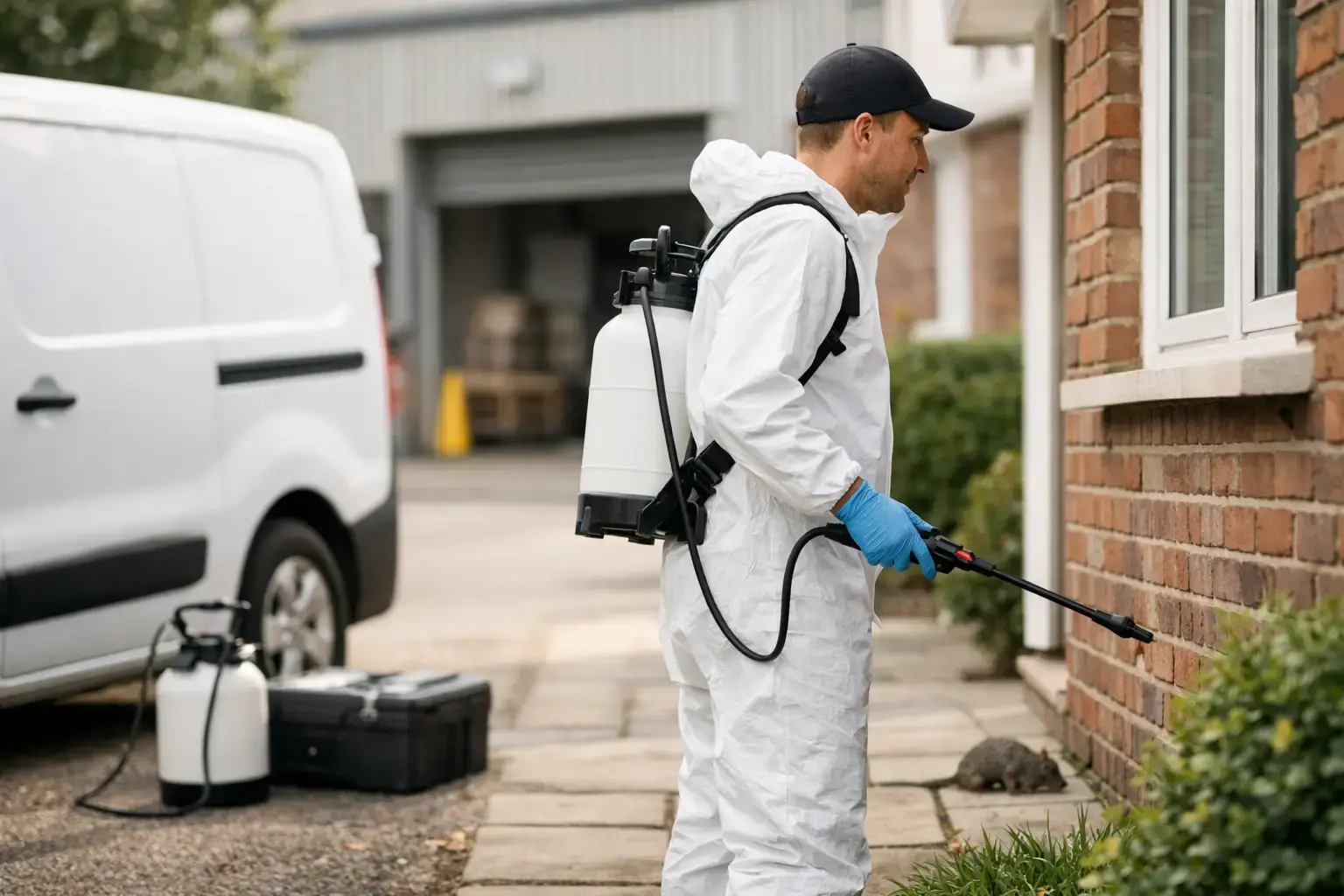
A pest problem that keeps coming back is rarely just bad luck. In most cases, the first treatment removed the visible activity, but the reason the pests were there in the first place was left untouched. That is the real answer to how to prevent repeat infestations - deal with the pest, then remove access, food, shelter and breeding conditions.
For homeowners, landlords and businesses, repeat activity is more than frustrating. It can damage property, affect hygiene standards, disrupt daily life and create avoidable cost. The right approach is not simply stronger treatment. It is a proper investigation, targeted proofing and follow-up that closes the gap pests are using.
Why repeat infestations happen
Most recurring infestations come down to one of three issues. The source was not fully identified, the treatment was incomplete, or the conditions that attracted the pest remained in place. You may stop the current population, only for another one to move in through the same route a few weeks later.
This is where many people get caught out. A few dead rodents in a loft, an insect spray around skirting boards, or one removed wasp nest can make it look as though the job is finished. Sometimes it is. Often, it is only the visible part of the problem.
With rats and mice, for example, the real issue may be an entry point around pipework, damaged air bricks or a cavity route between properties. With cockroaches, it may be warmth, moisture and inaccessible harbourage. With bed bugs, missed rooms, untreated furnishings or reintroduction on luggage can restart the issue quickly. Different pests need different prevention measures, which is why a generic fix usually fails.
How to prevent repeat infestations starts with identification
You cannot prevent a repeat problem if the pest has been misidentified. Droppings, smear marks, gnawing, cast skins, nesting material and insect activity all tell a different story. So do timings. A pest seen in daylight, in a loft void, around food waste or near drains points to a different pattern of behaviour.
This matters because prevention is species-specific. Mice can squeeze through very small gaps, rats are driven by shelter and water access, clothes moths target natural fibres, and cluster flies follow seasonal patterns. If the wrong pest is assumed, the wrong treatment and proofing plan follows.
A proper survey should answer four questions. What is the pest, how serious is the activity, why is the site attractive, and how is the pest getting in. Once those points are clear, prevention becomes practical rather than guesswork.
Remove what is attracting the pests
Pests stay where conditions suit them. That usually means food, moisture, warmth or cover. If those conditions remain, there is always a risk of reinfestation even after a successful treatment.
In domestic settings, common attractants include pet food left out overnight, overflowing bins, crumbs behind appliances, leaking pipework, cluttered lofts and dense garden growth against the property. In commercial premises, the pressure points are often waste storage areas, staff kitchens, delivery bays, drain lines and neglected voids behind equipment.
Not every property needs the same level of change. A single mouse in winter may relate to one access gap and a nearby food source. A persistent cockroach issue in a kitchen may involve cleaning standards, moisture management and structural defects together. The key is being honest about what the pest is using, then removing that advantage.
Proofing is what stops the return
If there is one step that most clearly answers how to prevent repeat infestations, it is proofing. Treatment removes the active problem. Proofing helps stop the next one.
This means sealing entry points properly, not cosmetically. Expanding foam on its own is rarely enough for rodents. Damaged vents, broken drain covers, gaps below doors, poorly fitted pipe penetrations and defects in roofing all need the right material and method. The detail matters because pests will keep testing weak points.
For homes, priority areas are usually loft eaves, air bricks, under-sink pipework, utility room penetrations, garage doors and broken pointing. For commercial sites, shutters, service entries, external doors and waste zones are often the risk areas. In older buildings across Stockport and surrounding areas, small structural gaps can be more common than owners realise.
Proofing also needs to be practical. A busy commercial site still needs access for staff and deliveries. A family home still needs ventilation. Good prevention balances protection with how the building is actually used.
Hygiene helps, but it is not the whole answer
People are often told to clean more, and in some cases that advice is too simplistic. Hygiene is important, but it is not a cure on its own. You can have a spotless property with rats entering through a drain defect, or bed bugs introduced from travel. Equally, poor hygiene can make a manageable issue much worse.
The realistic approach is to improve the areas that matter most. Store food in sealed containers where appropriate. Keep bin lids shut. Clean behind and beneath heavy appliances. Clear spillages quickly. Address standing water and leaks. Reduce excess clutter where pests can hide undisturbed.
For landlords and businesses, consistency matters more than one-off cleaning. A single deep clean followed by old habits will not change long-term risk. Prevention needs routines that can actually be maintained.
Monitoring catches problems before they grow
One of the biggest mistakes after treatment is assuming silence means safety. Some pests build back slowly, especially where activity begins in voids, roof spaces or service areas that people rarely inspect.
Monitoring allows early intervention. That can include regular inspections, tracking points, discreet monitoring devices and checking high-risk areas after weather changes, building works or tenant turnover. In commercial environments, monitoring is often essential because reputation, compliance and operational continuity all depend on catching issues before they become visible to customers or staff.
Technology can help, but it needs experienced interpretation. Data is useful when it leads to action. A monitoring alert without a site-specific prevention plan is only half a solution.
Prevention plans work best when they are tailored
There is no single method that fits every infestation. A detached house with squirrels in the loft needs a different plan from a restaurant with flies or a block property with recurring mice. Even with the same pest, the right answer can vary depending on building type, surrounding environment, occupancy and season.
That is why tailored prevention programmes are usually more reliable than one-off reactive visits. They allow the cause to be addressed in stages - treatment, proofing, monitoring and review. This is often the difference between a temporary improvement and a long-term result.
At AZ Environmental Service Pest Control, that practical, end-to-end approach is central to stopping repeat pest issues where basic treatment alone has not worked.
How to prevent repeat infestations in rented and commercial properties
Rented and commercial sites bring added complexity because responsibility is often shared. A tenant may control housekeeping, while the landlord is responsible for structural repair. A business may keep internal standards high, but still face pest pressure from neighbouring units, waste handling issues or delivery routes.
The best results come when responsibilities are clear from the start. Who is fixing entry points, who is managing waste, who is reporting sightings, and who is carrying out follow-up checks? If no one owns those actions, repeat infestations become much more likely.
For commercial operators, discretion is also important. Pest control should protect the premises without drawing attention to the issue. That matters in hospitality, retail, food handling and any site where public confidence matters.
When professional help is the right call
If a problem has returned more than once, DIY prevention has probably reached its limit. The issue may involve hidden entry points, breeding sites, drainage defects or a pest pattern that needs specialist equipment and experience to trace properly.
Professional support is particularly worthwhile for rats, mice, cockroaches, bed bugs, fleas, persistent wasps, stored product insects and bird-related issues. These are all problems where partial treatment often leads to repeat call-outs and more cost over time.
A qualified pest specialist should not just apply treatment. They should show you why the infestation happened, what needs to change, and what level of follow-up is sensible. Sometimes that means a single proofing repair. Sometimes it means an ongoing prevention programme. It depends on the pest, the site and the risk of recurrence.
The main thing is this: if pests keep returning, do not just treat the symptom again. Find the route, remove the attractant, and fix the condition that allowed the infestation to take hold in the first place. That is how long-term control is achieved, and how confidence in your property is properly restored.