

Blog
How to Prevent Pests Returning for Good
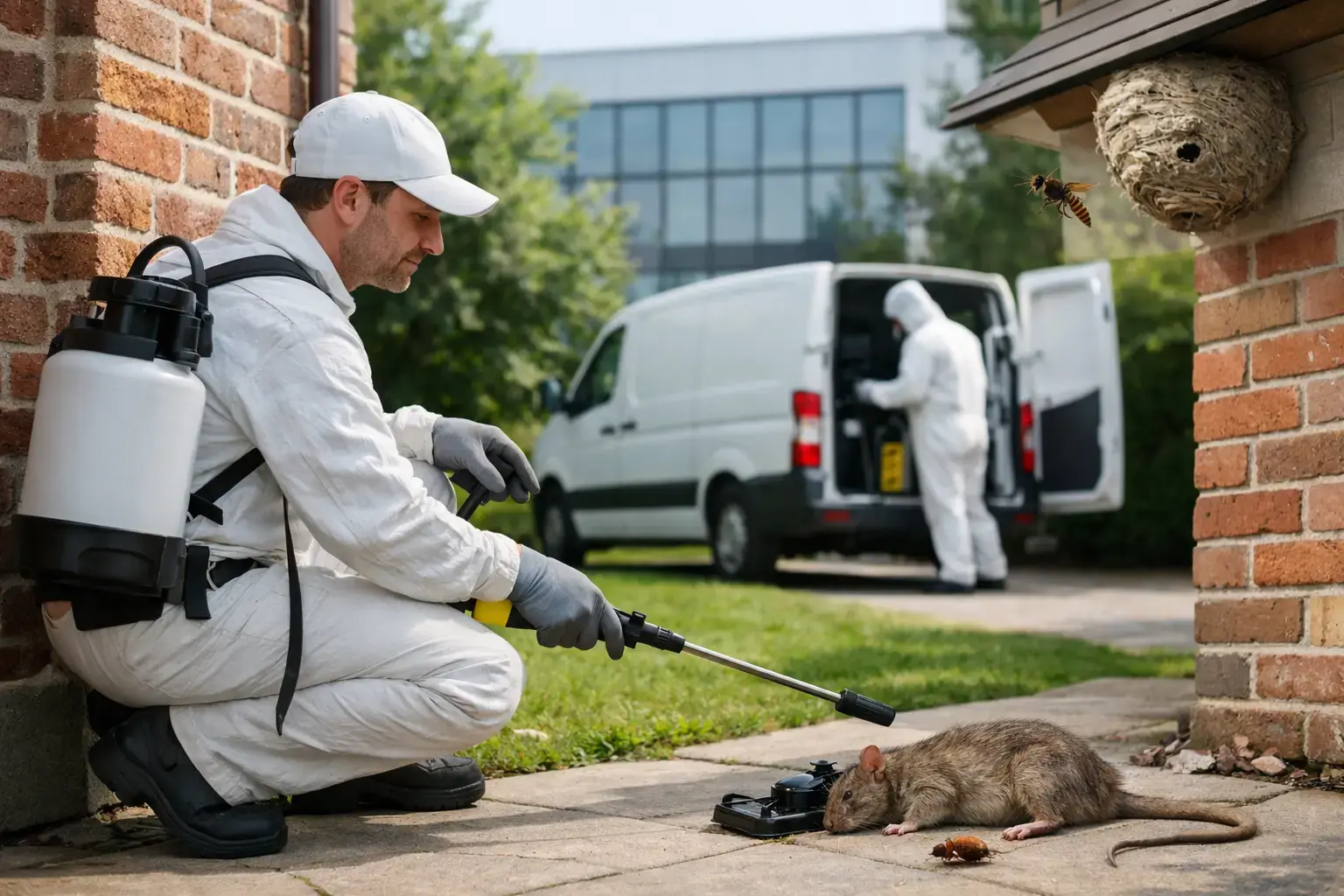
When pests come back after treatment, the cause is usually not the treatment itself. It is the condition of the property. If you want to know how to prevent pests returning, the answer is rarely a single spray, bait or trap. It comes down to removing access, shelter, food and water, then checking that those risks stay under control.
That matters whether you are dealing with rats in a loft, mice in a kitchen, ants around entry points, wasps in roof spaces or birds creating ongoing mess and damage on a commercial site. A pest problem is solved properly when the source of the activity is dealt with, not just the pest you can see today.
Why pests return after treatment
Most repeat infestations follow a familiar pattern. The immediate pest activity drops, everyone relaxes, and the conditions that attracted the pests in the first place remain exactly as they were. A gap under the back door is still there. Overflowing bins are still left open. A leaking pipe still creates a reliable water source. In lofts and wall cavities, nesting materials and hidden access points often go unnoticed until the problem starts again.
There is also a timing issue. Some pests are seasonal, while others stay active all year if indoor conditions suit them. Rats and mice do not need much encouragement to return to a warm, undisturbed area. Wasps may not reuse an old nest in the same way people assume, but the same roofline can keep attracting new queens if entry points and harbourage remain. Birds are similar. If a structure offers shelter, warmth and perching space, they will test it again.
This is why good pest control always includes prevention. Treatment removes the current issue. Prevention stops the next one.
How to prevent pests returning at home or at work
The most effective approach is to look at the property as a pest would. How easy is it to get in, settle down and find food or water? That audit is where long-term control starts.
Start with proofing and access control
Small gaps cause big problems. Mice can get through openings far smaller than most people expect, and rats only need a little more space. Damaged air bricks, broken vents, gaps around pipework, ill-fitting doors and worn seals around roller shutters can all become reliable entry routes.
Proofing needs to be practical and pest-specific. Blocking a hole without understanding how the pest is moving through the building can push activity elsewhere. In homes, that might mean mice shifting from a kitchen void into the loft. In commercial premises, it can mean pests relocating to a stock area, ceiling void or plant space. The right repair in the wrong place is still the wrong repair.
A proper inspection should identify the route, the pressure points and the likely harbourage nearby. Once those are clear, proofing measures such as sealing service entries, fitting brush strips, repairing brickwork, screening vents and improving door closures become far more effective.
Remove food sources people overlook
Most customers think of food in obvious terms - crumbs, open packets and waste. Those matter, but pests often rely on less visible sources. Pet food left down overnight, bird seed, grease behind catering equipment, fallen fruit in gardens, compostable waste stored badly and even rodents feeding on insects can all support recurring activity.
For households, consistency matters more than perfection. If food is usually stored well but one area is repeatedly left accessible, pests will focus on that weak point. For landlords and managing agents, communal bin areas are a common issue. One badly managed external waste point can undermine work carried out inside the building.
Commercial sites need tighter routines. Cleaning schedules, stock rotation, waste handling and staff habits all affect pest pressure. A treatment programme will struggle if the site still provides easy feeding opportunities every day.
Deal with water and damp
Pests do not just look for food. They look for reliable moisture. Leaking pipework under sinks, condensation in plant rooms, blocked gutters, poorly drained yards and damp basements can all support pest activity. Cockroaches, silverfish, rodents and many insects are drawn to these conditions.
This is one of the most underestimated parts of prevention because damp often sits behind panels, under floors or in unused corners. If a property has recurring activity in the same area, hidden moisture should always be considered. Fixing leaks, improving ventilation and keeping drainage clear will often reduce the chance of pests settling back in.
Pay attention to harbourage, not just entry points
Pests return when they have somewhere safe to rest, breed or nest. A cluttered loft, overgrown garden boundary, unused outbuilding, suspended ceiling void or packed storeroom gives them exactly that.
Indoor harbourage
Stored materials should be kept off the floor where possible and arranged so inspections can actually take place. If you cannot see behind, underneath or around stored items, pest activity can develop unnoticed. In commercial settings, this is especially important in back-of-house areas, cleaners' cupboards, service risers and stock rooms.
In domestic properties, loft insulation that has been disturbed by rodents, old cardboard, soft furnishings in garages and undisturbed voids often become nesting areas. Simply clearing and reorganising these spaces can make them less attractive.
Outdoor harbourage
Outside the building matters just as much. Dense vegetation against walls, timber piles, unkempt sheds, overflowing skips and neglected drains all increase the chance of pest activity establishing close to the property. Once pests are comfortable nearby, getting indoors becomes the next step.
This is often where prevention fails. The inside is treated, but the external conditions remain ideal. If you want lasting results, both sides of the building need attention.
Monitoring matters more than most people realise
One reason repeat infestations become expensive is that activity is often picked up too late. By the time scratching is heard again or droppings are found, the problem may already be established.
Good monitoring closes that gap. In a domestic setting, that may mean routine checks in lofts, under sinks, behind appliances and around external access points. In commercial environments, it should be more structured. Inspection records, device checks, trend analysis and site-specific risk points help catch issues before they turn into disruption.
This is particularly useful where there is a history of recurring activity, neighbouring pressure, nearby food businesses, watercourses or older buildings with complex access routes. In those cases, prevention is not a one-off job. It is ongoing site management.
Prevention is different for each pest
A generic approach sounds neat, but it is rarely enough. Rats, mice, ants, wasps and birds all behave differently, so the prevention plan needs to reflect that.
Rodents usually require a mix of proofing, sanitation, habitat reduction and monitoring. Ants may need entry point control and treatment of the nest source, especially where activity follows paving, wall cavities or kitchens. Wasps are more about nest management and reducing repeat attraction to roof spaces, soffits and sheltered voids. Bird problems often need deterrents, proofing and careful consideration of hygiene, fouling and legal responsibilities.
That is why a proper survey matters. If the identification is wrong, the prevention plan will be wrong as well.
When DIY prevention reaches its limit
There are sensible steps any property owner can take, but some situations need specialist input. Repeat infestations, inaccessible nesting areas, large commercial sites, roof-level issues, bird activity and pest pressure linked to neighbouring land all need a more technical approach.
The trade-off is simple. A quick fix may appear cheaper at first, but if the same problem keeps returning, the real cost rises through damage, wasted time, lost stock, hygiene risk and reputational impact. That is especially true for landlords, hospitality venues, food premises and businesses with public-facing environments.
A professional prevention plan should not just tell you what pest is present. It should explain why the site is vulnerable, what needs to change and how that risk will be monitored over time. That is where experienced pest control earns its value.
For properties across Stockport and the surrounding area, local knowledge also helps. Building types, drainage layouts, terrace access, older roof structures and mixed residential-commercial environments can all influence how pests move and settle.
The goal is not less activity - it is no opportunity
The most effective way to prevent pests returning is to make the property harder to enter and less rewarding to stay in. That means closing entry points, controlling waste, fixing damp, reducing harbourage and checking regularly for early signs of activity.
If a pest problem keeps coming back, that is useful information. It means something about the site is still inviting it in. Solve that properly, and you are no longer reacting to pests. You are taking away the reason they return in the first place.