

Blog
How to Get Rid of Rats for Good
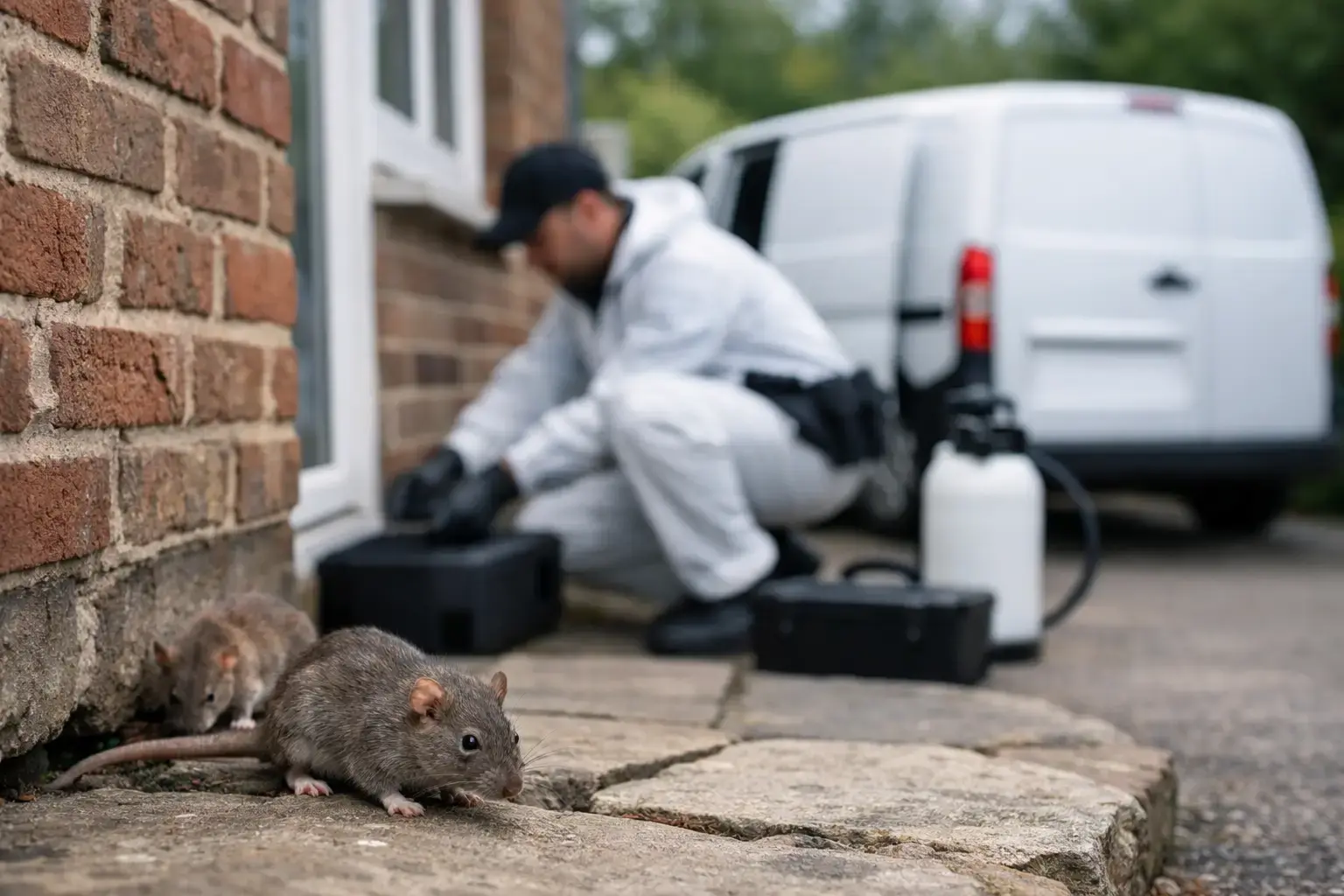
If you have heard scratching in the loft, found droppings under the sink or noticed gnaw marks around stored food, you do not have a rat problem to think about later. You have one to deal with now. Knowing how to get rid of rats quickly matters because rats do not stay in one place for long, and the longer they remain, the harder and more expensive the problem becomes.
Rats are destructive, unhygienic and highly adaptable. They can chew through wiring, damage insulation, contaminate food storage areas and spread bacteria through urine and droppings. In homes, that creates obvious stress. In commercial settings, it can damage stock, disrupt operations and put reputation at risk.
How to get rid of rats starts with finding the source
The biggest mistake people make is treating the sighting and not the cause. A trap in the kitchen may catch one rat, but if there is an active entry point under the extension, behind pipework or around damaged drains, more will follow.
Start by identifying where activity is happening. Fresh droppings are usually dark and moist-looking. Grease marks along skirting boards or walls can indicate regular rat runs. Gnawing on wood, plastic and cables is another strong sign. In lofts and cavity walls, scratching often becomes more noticeable at night.
Outside, look for burrows along fence lines, beneath sheds, near decking and around overgrown areas. Compost bins, poorly managed waste and bird food can all attract rats. If the issue is around a business premises, check bin stores, service yards, drainage points and any area where food waste or shelter is available.
This inspection stage matters because successful rat control depends on three things working together - removing access, reducing harbourage and using the right treatment method.
Why DIY rat control often falls short
There are situations where a single rat entering a garage or outbuilding can be dealt with using a well-placed trap. But a lot of infestations are more established than they first appear. Rats are cautious, intelligent and quick to avoid poor-quality traps, badly placed bait and disturbed areas.
DIY products can also create false confidence. If bait is taken but the wider infestation remains active, the problem simply continues out of sight. That is especially common in lofts, wall voids, drainage systems and commercial buildings with multiple access points.
There is also the issue of safety. Rodenticides must be used correctly and responsibly, particularly where there are children, pets or non-target wildlife nearby. In many cases, proofing and targeted trapping are a better first response than simply putting poison down and hoping for the best.
The practical steps that actually work
If you want to know how to get rid of rats effectively, the answer is not one product. It is a process.
1. Remove food sources
Rats stay where food is easy to access. Inside the property, store dry goods in sealed containers, clear crumbs and spills properly, and avoid leaving pet food out overnight. Outside, make sure bins close tightly and any waste area is kept clean.
Bird feeding is a common hidden cause. Seed dropped from feeders gives rats a reliable food source, particularly in gardens and around patios. That does not always mean you must stop feeding birds altogether, but you may need to change how and where it is done.
2. Cut off harbourage
Rats prefer sheltered, undisturbed spaces. Overgrown vegetation, cluttered sheds, stacked materials and dense storage areas give them cover and nesting opportunities. Tidying these areas removes protection and makes control measures more effective.
In commercial settings, this can include poorly managed stock rooms, plant areas and service corridors. In domestic properties, loft insulation, subfloor spaces and outbuildings are often part of the problem.
3. Proof entry points
This is where many infestations are won or lost. Rats can squeeze through surprisingly small gaps, and they will exploit weaknesses around pipe entries, air bricks, damaged vents, broken drains and gaps beneath doors.
Proper proofing needs to be durable. Expanding foam on its own is rarely enough because rats can chew through it. The right repair depends on the area involved, but the principle is the same - deny access and force the infestation to stop at source.
4. Use the right control method
Snap traps, enclosed trapping systems and carefully managed baiting programmes can all work, but only when they are positioned correctly and monitored properly. Placement matters far more than most people realise. Rats follow established routes, usually close to walls and edges, not randomly across open spaces.
For larger or more complex infestations, especially in businesses, multi-point treatment plans are usually needed. If there is evidence of rat activity linked to drains, that should also be investigated rather than ignored.
When rats are in the loft, walls or drains
Not all infestations are visible. Rats in lofts often enter through broken rooflines, gaps at eaves level or climbing routes from nearby structures and vegetation. Once inside, they can damage insulation, foul stored belongings and create noise that gets worse at night.
Wall cavity activity can be harder to confirm. You may hear movement or scratching but see no obvious signs indoors. In those cases, a thorough survey is important because treating the wrong area wastes time.
Drain-related infestations need particular attention. If rats are travelling through damaged pipework or emerging from defective drains, treating above ground without dealing with the drainage issue will only provide temporary relief. This is one of the clearest examples of why experience matters.
How to get rid of rats and stop them coming back
Getting rid of rats is only half the job. Long-term control depends on making the property less attractive afterwards.
That means maintaining proofing repairs, keeping waste under control, checking sheds and outbuildings, and responding quickly to new signs of activity. For landlords and commercial operators, regular inspections can prevent a minor issue becoming a larger infestation with tenant complaints, failed audits or hygiene concerns attached.
Prevention also needs to be realistic. A rural-edge property, a takeaway with rear bins or a warehouse near open land all face different levels of pressure. The right prevention plan depends on the building, its surroundings and how the site is used day to day.
When to call a professional pest controller
If you have seen multiple rats, found repeated droppings, heard activity in hidden areas or tried DIY control without success, it is time to bring in a specialist. The same applies if the infestation involves a food business, rental property, school, office or any setting where health, compliance or reputation matters.
A professional service should not just treat the symptom. It should identify the species, inspect the site properly, locate access points, assess the level of infestation and put in place a treatment plan with prevention built in.
That is particularly important where discretion matters. For many homeowners and businesses, the issue is not just removing the rats but doing so quickly, safely and without drawing attention. In areas such as Stockport and the wider surrounding towns, that often means choosing a local specialist who understands the building types, drainage issues and environmental factors that commonly contribute to rat problems.
Professional support is also the sensible choice where there are pets, children or wildlife considerations. Responsible pest control is about results, but it is also about using the correct methods in the correct way.
The cost of waiting
People often delay dealing with rats because they hope the problem will disappear on its own. It rarely does. What starts as occasional noise in the loft can turn into damaged electrics, contaminated insulation, repeat sightings and a much wider infestation.
The same pattern applies in commercial premises. A small amount of activity behind a bin store can quickly become an operational problem if it spreads into internal areas or is noticed by staff, customers or inspectors.
Fast action usually means a smaller treatment, less disruption and a better outcome.
If you are dealing with rats, the most useful step is not guessing. It is getting the problem identified properly, treated with the right method and backed up with proofing that stops it happening again. That is how you get rid of rats in a way that lasts.