

Blog
How to Choose a Pest Control Company Properly
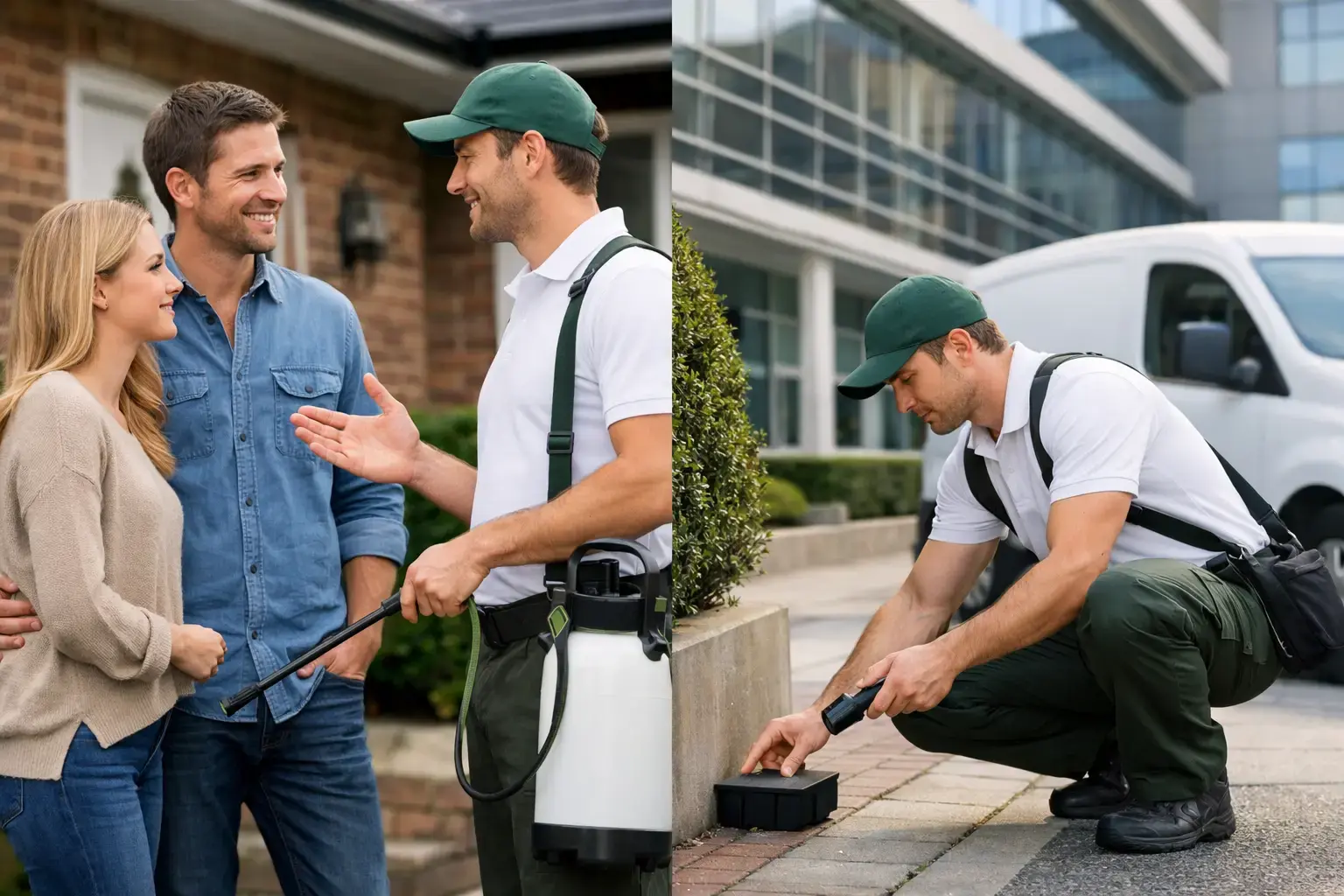
A cheap one-off visit can become expensive very quickly when rodents return through the same gap, a wasp nest is only partly treated, or a business faces a repeat hygiene issue. The real question is not who can attend first. It is how to choose a pest control company that will identify the cause, deal with the active problem and help stop it happening again.
For homeowners, landlords and commercial operators, the right provider brings reassurance as well as treatment. You need clear advice, safe working practices and a solution that fits the property, pest species and level of risk.
How to choose a pest control company with confidence
Start by looking beyond a headline price. Pest control is not a single, identical service. Treating mice in a kitchen, bed bugs in a rented flat, pigeons affecting a commercial site and wasps in a loft all require different methods, equipment and follow-up.
A professional company should ask sensible questions before quoting. They may need to know where activity has been seen, how long it has been happening, whether children, pets or vulnerable people are present, and whether the property is domestic, rented or commercial. For more serious or unclear issues, an on-site survey is often the right first step.
Be wary of anyone who promises a fixed cure without understanding the problem. A clear price is valuable, but it should be based on a defined scope of work, not guesswork.
Check qualifications, insurance and professional standards
Pest control involves working with regulated products, wildlife considerations and risks to people, pets and non-target animals. The company you appoint should be properly qualified, insured and able to explain how its technicians work safely.
Ask whether the technician has recognised pest management training and what professional standards the business follows. Commercial customers should also confirm that the provider can supply the service records, risk assessments and reporting needed for audits, food safety systems or landlord compliance.
Local authority approval and industry memberships can provide additional confidence, but they should support practical competence rather than replace it. The best sign is a company that can explain its approach in plain English, including any limitations or risks.
Make sure the pest has been identified correctly
Effective treatment starts with correct identification. Droppings, bites, noises and damage can point to several possible pests, and the wrong diagnosis leads to wasted time and money.
For example, not every flying insect around a roofline is a wasp nest, and scratching in a loft does not automatically mean rats. A technician should inspect evidence, identify likely entry points and look for conditions that allow the pest to thrive. In some cases, monitoring equipment or cameras may be needed before treatment is selected.
Ask what evidence supports the diagnosis and whether the company will inspect areas you cannot safely access. This is especially relevant in large commercial premises, roof voids, warehouses and sites where bird activity is difficult to assess from ground level.
Look for a treatment plan, not just a treatment
A professional pest control visit should lead to a clear plan. You should understand what will happen, why it is necessary, how long it may take and what you need to do before or after treatment.
The plan might include targeted baiting, trapping, insecticidal treatment, nest removal, proofing work, sanitation advice or ongoing monitoring. It depends on the species and setting. A mouse issue in a family home may need a short course of visits plus proofing around pipework, while a restaurant may require a structured prevention programme with regular inspections and documented findings.
Ask whether follow-up visits are included and how the company decides the problem is resolved. One visit can be enough for certain issues, but recurring pests and established infestations often need more than a single attendance. A provider that claims every problem can be solved instantly is not setting realistic expectations.
Ask about proofing and prevention
Treatment without prevention often creates a cycle of repeat call-outs. Rodents can exploit surprisingly small gaps, while insects may be drawn to moisture, food sources or sheltered nesting spaces. Bird control may require practical changes to access points, ledges or waste management.
A good company will point out the conditions that contributed to the problem and recommend proportionate action. This does not always mean costly building work. It may be as straightforward as sealing a gap, fitting a brush strip, improving bin storage or removing clutter that provides harbourage.
For landlords and property managers, written recommendations are particularly useful. They help clarify what falls to the pest controller and what maintenance work is needed from the owner, tenant or managing agent.
Consider safety, discretion and environmental responsibility
Responsible pest management is not about using the strongest product available. It is about choosing the most effective method for the situation while reducing unnecessary risk to people, pets, wildlife and the wider environment.
Ask how products are selected, whether non-chemical methods are considered and what precautions apply after treatment. If you have pets, young children, livestock or an aquarium, tell the company before work begins. The technician should give you specific, practical instructions rather than vague reassurance.
Discretion may matter just as much as treatment quality. For a business, visible pest activity can affect customer confidence and staff morale. For a homeowner, an unmarked vehicle and respectful attendance can make an unpleasant situation easier to manage. Discuss access arrangements, out-of-hours work and confidentiality where needed.
Check how quickly they respond - and how they communicate
Speed matters when pests threaten health, stock, property or reputation. However, the first available appointment is only useful if the provider arrives prepared and communicates clearly.
Before booking, assess how the company handles your enquiry. Do they ask relevant questions? Can they explain likely next steps? Will you receive appointment confirmation, treatment information and a point of contact if the issue changes?
Commercial clients should ask about response times for urgent incidents, planned service schedules and digital reporting. Reliable records make it easier to identify trends, demonstrate due diligence and act before a small issue becomes a serious infestation.
Compare value, not just the lowest quote
When comparing quotes, make sure you are comparing the same service. One price may cover a single visit with basic treatment, while another includes inspection, multiple visits, proofing recommendations, monitoring and a clear route back if activity continues.
Ask what is included, what may cost extra and whether there is a guarantee. Guarantees should be specific. Find out how long they apply, what conditions must be met and whether recommendations such as proofing or housekeeping changes are required. Honest terms are more useful than broad promises with exclusions hidden later.
For commercial properties, the lowest quote can be particularly misleading if it does not include compliance documentation, regular trend analysis or sufficient visit frequency. Choose the service level that reflects the risk to your premises, customers and operations.
Questions worth asking before you book
Before you appoint a pest controller, ask four practical questions: What pest do you believe is present and how have you identified it? What treatment and follow-up are included? What must I do to prevent a recurrence? What records, safety advice and guarantee will I receive?
The answers should be clear, measured and tailored to your property. You should not feel pressured into immediate work without knowing the proposed method, likely timescale and cost.
AZ Environmental Service Pest Control supports households and businesses across Stockport with tailored surveys, treatment, prevention and discreet service. Whether the issue is urgent or recurring, choosing a qualified local specialist gives you the best chance of solving the cause rather than simply dealing with the visible signs.
The right pest control company will not make a difficult problem sound effortless. It will give you a practical plan, carry it out professionally and leave you with a safer, better-protected property.