

Blog
Your Guide to Pest Prevention Programmes
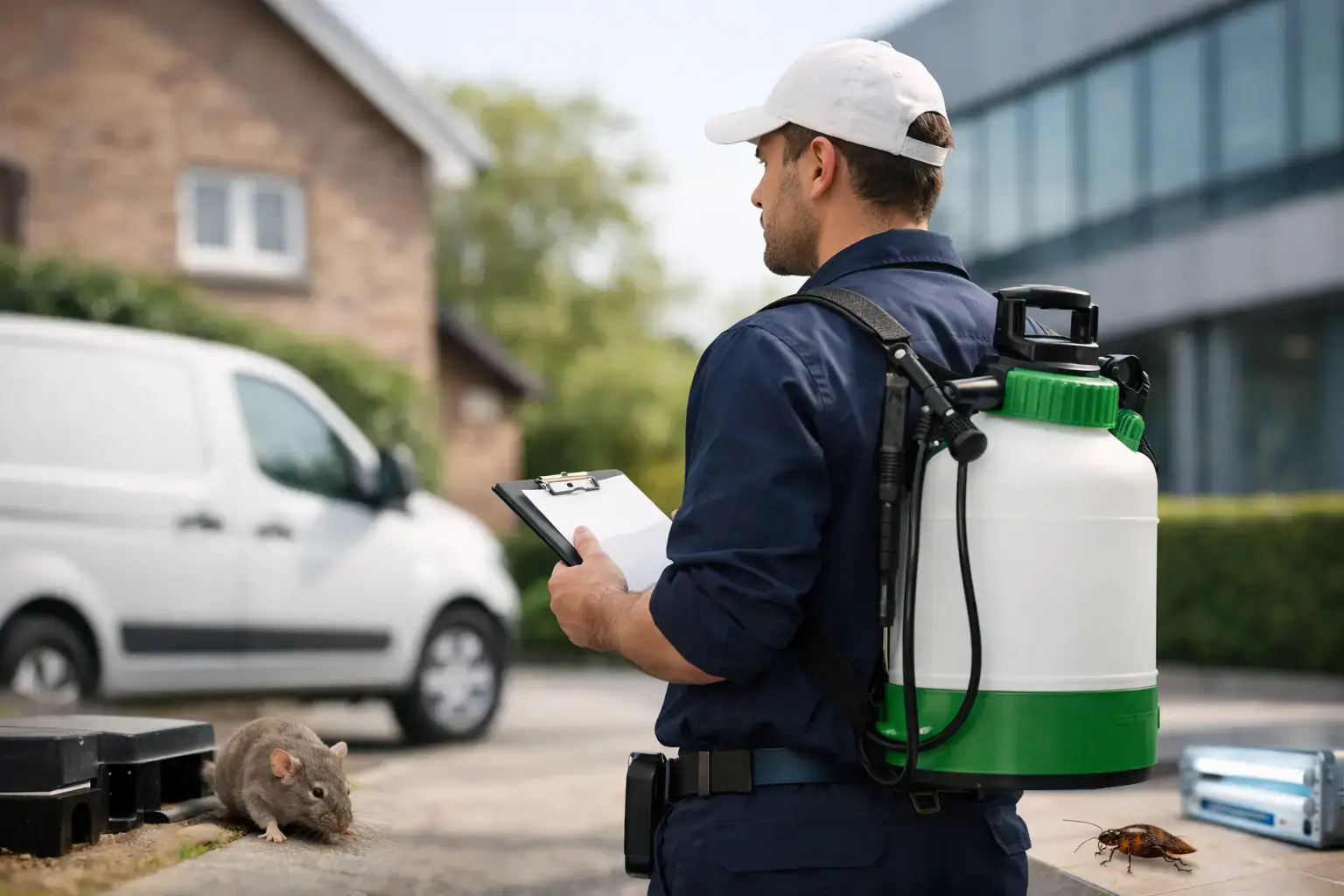
A pest problem rarely begins on the day you see it. Rodents may have been using a loft void for weeks, insects may be breeding near a food source, and birds may have already found a reliable roosting point. This guide to pest prevention programmes explains how a planned, professional approach stops those conditions developing into an infestation.
For homeowners, landlords and businesses, prevention is usually less disruptive and more cost-effective than repeated reactive treatments. The right programme deals with the pest pressure around a property, the weaknesses within it and the practical habits that can allow activity to return.
What a pest prevention programme should do
A prevention programme is not a single visit or a box placed in a corner. It is an ongoing strategy built around inspection, proofing, monitoring and prompt action. The level of support should reflect the property, the pest risks and the consequences of an infestation.
A family home with a recurring mouse issue needs a different plan from a restaurant, warehouse, office block or managed block of flats. In commercial premises, pest activity can affect hygiene standards, stock, staff confidence and reputation. For landlords, it can lead to tenant complaints, property damage and avoidable void-period costs.
A good programme should establish where pests are entering, what is attracting them and where they could harbour. It should then reduce those opportunities and provide clear evidence that risks are being managed. Treatment may be part of the plan, but treatment alone is not prevention.
Start with a proper survey, not assumptions
Every effective programme begins with a detailed on-site survey. Pest species behave differently, and the signs can be misleading. A scratching sound in a ceiling may indicate mice, rats, squirrels or birds. Small flies around a drain may point to an issue within pipework rather than a surface-level cleaning problem.
The survey should assess internal and external areas, including rooflines, drainage, bin storage, service entries, kitchens, plant rooms, lofts, voids and neighbouring risk factors where relevant. For difficult-to-reach roofs, gutters or elevated access points, UAV surveys can provide a clearer view without unnecessary disturbance.
A technician should identify the likely species, the scale of activity and the routes being used. This avoids wasted treatments and allows the prevention plan to focus on the cause. If a rat is entering through a damaged drain, for example, sealing a gap at ground level may not solve the problem. If stored-product insects are being brought in through deliveries, routine monitoring must include receiving and storage areas.
Remove food, water and harbourage
Pests settle where they can feed, drink and remain undisturbed. Prevention therefore depends on the condition and day-to-day management of a property as much as it does on control measures.
In homes, common issues include food left accessible, overflowing outdoor bins, pet food left down overnight and cluttered lofts, sheds or garages. A small gap beneath a kitchen unit can become an ideal mouse harbourage if there is a regular food source nearby.
In commercial settings, risks are often more complex. Food debris behind equipment, poorly managed waste compounds, leaking pipework, damaged stock, open deliveries and dense storage can all create favourable conditions. A professional programme should provide practical recommendations that suit how the premises actually operates. Advice that cannot be followed during a busy service or production day will not deliver lasting results.
The priority is to maintain standards consistently, particularly in areas where food is prepared, stored or discarded. This may involve clearer cleaning responsibilities, better bin management, stock rotation or changes to how goods are stored off the floor and away from walls.
Pest proofing is the long-term barrier
Proofing is one of the most valuable parts of a prevention plan. Mice can enter through gaps little wider than a pencil, while rats exploit damaged air bricks, broken drain covers, poorly fitted doors and gaps around pipework. Wasps may repeatedly use cracks in rooflines, and pigeons can return to accessible ledges and building features year after year.
The appropriate proofing method depends on the building and pest. Sealing every visible opening without understanding ventilation, drainage and access requirements can cause other problems. Materials and installation must be suitable for the area, durable and designed not to compromise the property.
Common proofing measures include:
- sealing gaps around pipes, cables, doors and service penetrations
- repairing damaged vents, air bricks, roof sections and drain covers
- fitting appropriate mesh to vulnerable openings without restricting necessary airflow
- improving door sweeps and loading-bay protection
- installing tailored bird-deterrent measures for ledges, roofs and other roosting areas
Proofing should follow evidence, not guesswork. Closing the entry points actually being used is more effective than making a series of cosmetic repairs that leave the main route open.
Monitoring turns prevention into control
Monitoring gives a prevention programme its discipline. It shows whether activity is increasing, whether control measures are working and where attention is needed before a problem becomes visible to occupants or customers.
For commercial sites, this often involves a mapped system of monitoring points, regular inspections and clear reporting. Modern connected monitoring technology, including Bell IQ systems where suitable, can support faster identification of rodent activity and help focus visits where they are needed most. This is particularly useful on larger sites or locations where early warning matters.
However, technology is not a substitute for an experienced inspection. A device can flag activity, but it cannot assess a new access point, identify poor waste practices or determine whether a change in stock handling has created a new risk. The strongest programmes combine reliable monitoring with a technician who understands the building and its day-to-day operation.
For domestic properties, monitoring may be more targeted and time-limited. After proofing and treatment, follow-up checks confirm that activity has stopped and that there are no remaining weaknesses. A homeowner does not necessarily need the same visit schedule as a food business, but recurring problems should never be treated as a one-off without investigating why they return.
Set the right inspection frequency
There is no single correct visit frequency. It depends on the type of premises, the history of pest activity, nearby environmental pressures and the impact an infestation could have.
A low-risk office may need less frequent inspection than a restaurant, care setting, warehouse handling food products or premises beside open land, waterways or busy waste areas. Seasonal risks also matter. Wasp activity rises in warmer months, while rodents often seek indoor shelter as conditions become colder. Bird activity can increase where nesting and roosting points are available.
The programme should be reviewed after changes to the site. Building works, new equipment, altered waste arrangements, a change of tenant or a new food operation can all change the risk profile. Prevention works best when it responds to the property as it is now, rather than relying on a plan created years earlier.
Keep records that lead to action
For businesses, records are not simply paperwork for an audit. They provide a working history of activity, findings, proofing recommendations and completed actions. This helps managers demonstrate due diligence and makes recurring patterns easier to spot.
A useful service report should clearly state what was found, what action has been taken, what the customer needs to address and when the next review is due. Vague reports create uncertainty. Clear reporting allows property managers, facilities teams and business owners to act before a minor issue becomes an operational problem.
At home, written advice is equally valuable. Knowing which gap was sealed, what attracted the pest and what to watch for gives residents confidence after a treatment has finished.
When professional support is the sensible choice
DIY measures can sometimes help with basic hygiene and minor proofing, but they have limits. Misidentifying a pest, using the wrong product or blocking an entry route without addressing the main source can extend the problem. Wildlife considerations, legal responsibilities and the safe use of pest control products also need to be managed correctly.
Professional support is especially worthwhile where there is repeated activity, evidence of rats, a large insect infestation, bird fouling, a pest issue in food-related premises or suspected access through drainage or roof voids. Discreet attendance can also matter for businesses and households that do not want a marked vehicle outside the property.
AZ Environmental Service Pest Control provides tailored prevention programmes for homes and commercial premises across Stockport and the surrounding area. The aim is straightforward: identify the cause, remove the risk and put practical measures in place that keep pests from returning.
The best time to build a prevention programme is before a complaint, contamination issue or visible infestation forces the decision. A thorough survey and a realistic plan give you control of the problem on your terms.