

Blog
Food Hygiene Pest Prevention That Works
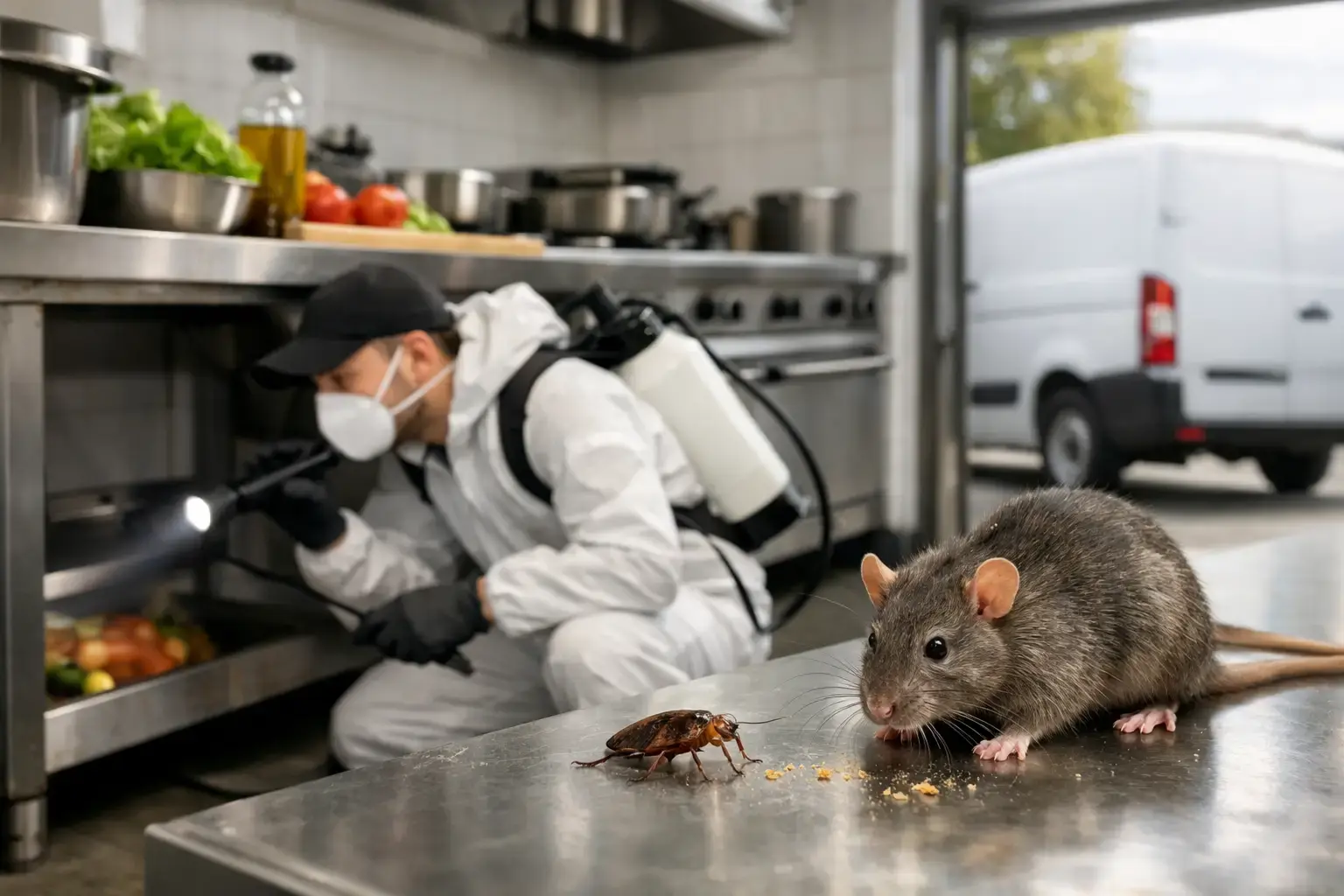
A pest issue in any food setting rarely starts with a dramatic infestation. More often, it begins with a small gap under a door, a spill left overnight, a poorly rotated delivery area or a drain that is not being checked closely enough. That is why food hygiene pest prevention matters - not as a box-ticking exercise, but as a practical way to protect food safety, pass inspections and avoid costly disruption.
For restaurants, takeaways, cafés, shops, warehouses, care settings and even domestic kitchens where food is stored in volume, the principle is the same. If pests can find food, water and shelter, they will stay. If they can breed undisturbed, a minor issue can quickly become a serious one. Prevention works best when hygiene, proofing and monitoring are treated as one system rather than separate jobs.
Why food hygiene pest prevention matters
Pests and poor hygiene feed into each other. Rodents contaminate surfaces and stock with urine, droppings and hair. Cockroaches spread bacteria across preparation areas and equipment. Flies move easily between waste, drains and exposed food. Stored product insects can destroy dry goods before anyone notices the first signs.
The immediate problem is contamination, but the wider risk is often just as damaging. A pest sighting can lead to failed audits, enforcement action, loss of customer trust and wasted stock. For commercial premises, there is also the issue of downtime. A kitchen that cannot operate safely loses revenue fast.
This is where many businesses make the wrong call. They focus on treatment only after pests become visible. Effective prevention starts much earlier, with routine control of the conditions that attract pests in the first place.
The real causes behind pest activity
Most infestations are not caused by one major failure. They usually develop through several smaller weaknesses. A rear fire door that does not close tightly, food debris under fixed units, damaged drain covers, overflowing bins and cluttered storage can all create opportunity.
Temperature and layout also matter. Warm plant rooms, laundry spaces, suspended ceilings, service voids and food storage areas can give pests a protected route through a building. In older properties, gaps around pipework and worn brickwork often provide easy access. In busy kitchens, the pressure of service means cleaning can look thorough on the surface while hidden areas are missed repeatedly.
There is also a seasonal factor. Warmer months tend to bring increased fly and wasp activity, while colder weather often pushes rodents indoors. That does not mean winter is low risk. In many cases, rodent pressure becomes more serious when outdoor shelter and food sources reduce.
Food hygiene pest prevention in practice
Good prevention is specific. It is not enough to say staff should clean more often or that waste should be managed better. The detail is what makes the difference.
Food storage needs to be controlled properly. Dry goods should be kept off the floor, rotated correctly and checked for signs of webbing, casings, gnawing or damaged packaging. Deliveries should not be accepted blindly. Pests are often introduced through stock, particularly in dry food, packaging and pallets.
Cleaning must reach beyond visible surfaces. Under cooklines, behind fridges, beneath shelving, around waste stations and inside floor drain surrounds are common problem points. Grease build-up, standing water and trapped food waste create the kind of consistent food source that allows pests to settle in.
Waste handling needs the same attention. Internal bins should be emptied regularly, fitted with lids and cleaned properly. External bin areas should be kept tidy, with lids closed and the ground free from residue. If the bin store is neglected, it can act as a holding point for rats, mice and flies before they move deeper into the site.
Proofing is just as important as hygiene. If a building is easy to enter, good cleaning alone may not be enough. Door sweeps, brush strips, mesh protection, sealed service entries and repairs to damaged fabric all reduce the chances of pests gaining access. Without proofing, treatment often becomes a repeat exercise rather than a lasting fix.
Where businesses often go wrong
One common mistake is relying on staff to spot every issue without giving them a clear reporting process. Frontline teams are often the first to notice droppings, unusual smells, gnaw marks or insect activity, but if concerns are logged casually or passed on verbally, patterns can be missed.
Another issue is treating hygiene and pest control as separate responsibilities. In reality, they overlap. A pest technician may identify activity, but if cleaning routines, stock handling and building maintenance are not adjusted, the cause remains in place. The result is recurring problems that seem to return without warning.
There is also a tendency to focus only on customer-facing areas. Pests usually prefer the spaces that customers never see - voids, basements, stores, plant areas, service ducts and external perimeters. If those areas are not inspected properly, infestations can build quietly in the background.
Monitoring is what turns prevention into control
A site without monitoring is often working on guesswork. By the time pests are seen in open areas, activity may already be established elsewhere. Regular inspections, documented findings and targeted monitoring devices help identify risk before it becomes a visible problem.
This is particularly important in food businesses where compliance matters. A proper monitoring programme provides evidence that risks are being managed, trends are being reviewed and action is being taken promptly. It also helps distinguish between an isolated incident and a developing infestation.
Modern systems can improve this significantly. Digital monitoring gives faster visibility of activity patterns and can help direct treatment and proofing more accurately. That matters in larger premises and multi-area sites where hidden pest movement is otherwise difficult to track. Technology does not replace physical inspection, but it does strengthen it.
Domestic food areas need prevention too
Food hygiene pest prevention is not just for commercial kitchens. Homeowners and landlords also face risk where food is stored, waste builds up or structural gaps are ignored. Mice in kitchen units, ants around food prep areas, moths in dry goods and flies around bins are all common signs that conditions are favourable.
The challenge in homes is that low-level activity can be overlooked for longer. A few droppings under the sink or damage to a cereal packet may not seem urgent, but pests rarely reduce without intervention. In rented property, delays can also create disputes over responsibility, especially if the source is linked to maintenance issues or poor waste storage.
Simple habits help, but they are not always enough once pests are established. Sealing access points, checking under appliances, storing food in secure containers and keeping outdoor bins managed will reduce attraction. If there are recurring signs, the property needs a proper survey rather than repeated use of shop-bought products that only address the surface problem.
When professional support is the right call
There is a point where prevention needs expert input. If pests are recurring, if there are signs in more than one area, or if the site handles food commercially, guessing is a risk. Professional pest control should not be seen as a last resort after failure. It is often the most efficient way to identify the true source, assess the extent of activity and put a reliable prevention plan in place.
That plan should not stop at treatment. It should include proofing recommendations, hygiene observations, risk points, follow-up inspections and clear advice that fits the building. A generic approach rarely holds up, because every site has its own pressure points.
For businesses in places such as Stockport and the wider surrounding area, local knowledge can also make a difference. Older buildings, mixed-use premises, rear service alleys and dense urban layouts all affect how pests move and where vulnerabilities appear. A specialist provider that understands those conditions can act faster and more precisely.
AZ Environmental Service Pest Control works with this practical mindset - solve the immediate problem, remove the cause and reduce the chance of it coming back.
A stronger standard than basic compliance
The best food hygiene pest prevention plans do more than satisfy inspection requirements. They protect reputation, reduce waste and give staff confidence that standards are under control. That usually means accepting that prevention is ongoing. It is not a one-off clean, one treatment visit or one audit file left on a shelf.
Standards hold when daily routines, building condition and pest monitoring support each other. If one slips, the others come under pressure. Get all three working together and pest risk drops sharply.
If you are responsible for a food environment, the right question is not whether pests are visible today. It is whether your site gives them a reason, and a route, to return tomorrow.