

Blog
AZ Pest Control LTD Flea Control That Stops the Problem at Source
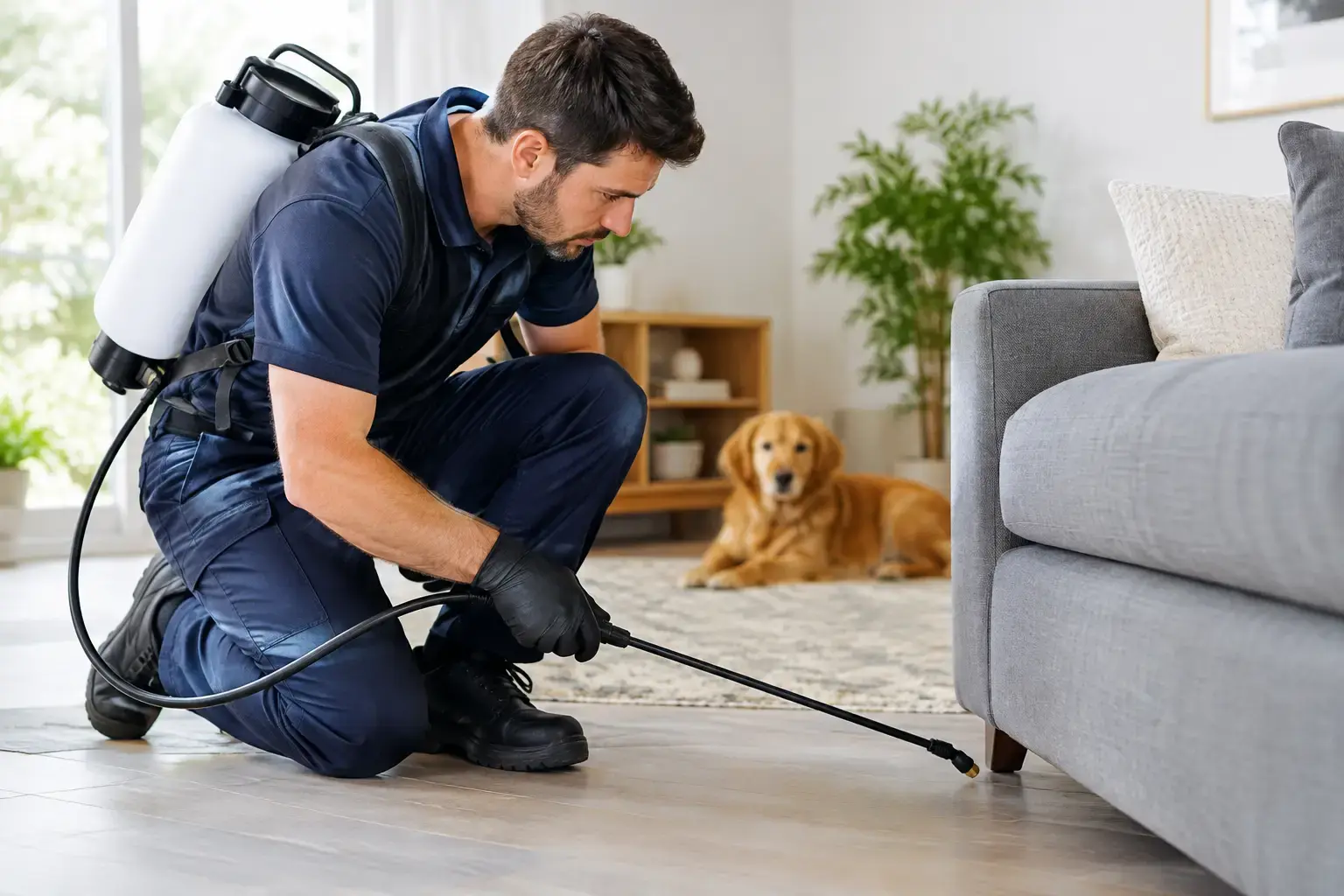
AZ Pest Control LTD specialises in flea Control in domestic and comercial premises, we use a combination of proffessional insecticides and insect growth regulators that penetrate the fleas egg capsule and prevents the flea from forming into an adult flea, the IGR is able to damage the egg capsule and damages the metamorphosis stage of the cycle.
A few bites around the ankles can become a much bigger problem surprisingly quickly. Effective flea control is not simply about treating the pet or spraying the room where bites are noticed. Fleas develop in carpets, soft furnishings, floor gaps and pet bedding, so the source must be dealt with as well as the adult insects you can see.
For homeowners, landlords and business operators, a proper response means identifying where fleas are breeding, applying the right treatment safely and preventing a repeat infestation. Missing one part of that process is why fleas often appear to return after an initial treatment.
Why flea infestations keep coming back
Adult fleas are only one stage of the problem. The eggs they lay can fall from an animal into carpets, rugs, bedding, upholstery and cracks around skirting boards. Those eggs develop through larval and pupal stages before new adult fleas emerge. This is why we need to use an insect growth regulator.
The pupal stage is particularly frustrating. A developing flea can remain protected inside its cocoon until it detects movement, warmth or carbon dioxide from people or pets nearby. This means a property may seem quiet after treatment, only for newly emerged fleas to become apparent later. It does not automatically mean the treatment has failed. This is why it's important to stay active at the property during the treatment time.
A successful treatment programme accounts for this lifecycle. It targets active fleas and interrupts development where possible, while setting realistic expectations about activity in the days and weeks after treatment. In more established infestations,it is extremely important to leave our treatment down for 21 days to ensure complete eradication.
Peope and pets need to stay out of the property for a minimum of 4 hours, after this period you may return home and open any arras for ventilation if required. Carpets will be dried and safe to walk on in this time period, please note that if the property has hard surface floors this 4 hour period may need to be extended as the floors can still be wet, if this is the case we advise that you turn up the heating in the property to help speed up the drying time.
If the floors are still wet on your return you will need to keep pets and children away from any areas that may still be wet.
A poison advice sheet will be left at the property for you to follow our guidelines and advice, we will go through all advice with you before the treatment is carried out.
The poison advice sheet will also tell you what products we have used and what strength they have been applied.
Cleaning up our proffessional products during a treatment can result in a treatment failure and another application may be required to replace the products that you may have removed by cleaning. Doing so may add additional charges for requesting an additional treatment due to not following our advice.
Signs you need professional flea control
Bites alone do not confirm fleas, as several insects and skin conditions can cause irritation. However, flea activity becomes more likely when bites are small, itchy and grouped around lower legs, particularly where there is a pet in the home or a previous pet has lived there.
You may also see tiny dark specks in pet bedding or on an animal's coat. These specks can be flea dirt, which is digested blood left by adult fleas. Pets may scratch, groom excessively or appear unsettled, although some animals show few obvious signs.
Empty properties can still have fleas. This is common after a tenant moves out with a cat or dog, or after a property has been vacant for a period. Pupae can remain undisturbed, then emerge when cleaners, contractors or new occupants enter the building. Landlords and managing agents should take reports seriously before reletting, rather than relying on a quick surface clean.
The right order for treating fleas
Flea treatment works best when pet care, preparation and professional application are coordinated. Treating only the carpet while an untreated pet continues to carry fleas will rarely solve the issue. Equally, treating an animal without addressing the indoor environment leaves eggs and developing stages behind.
Treat animals through a vet-approved route
Pets should receive an appropriate flea treatment recommended by a veterinary professional. The right product depends on the animal's species, age, weight and health. Never assume a product suitable for one pet is safe for another. Some treatments intended for dogs can be dangerous to cats.
All pets in the household generally need consideration, even if only one appears to be scratching. The aim is to stop animals acting as a continuing food source for adult fleas.
Prepare the property thoroughly
Before a professional visit, vacuum carpets, rugs, upholstered furniture and edges around skirting boards carefully. Move light furniture where practical so treatment can reach the floor beneath it. Empty the vacuum promptly into an outdoor bin to avoid carrying captured fleas back into the property.
Wash pet bedding, throws and washable blankets on the hottest cycle the fabric allows. Anything that cannot be washed should be discussed during the survey, particularly heavily used pet beds, fabric crates and large soft furnishings. Preparation is not an optional extra - it makes treatment more effective and helps expose the areas where flea eggs and larvae collect.
Treat the environment, not just the obvious room
AZ Pest Control LTD qualified technician will assess the extent of activity and the layout of the property. Fleas can be transported between rooms on socks, clothing, pet bedding and animals. Treatment may therefore need to cover adjoining rooms, hallways, carpets, upholstered areas and spaces where pets rest, rather than a single room where bites were first noticed.
The treatment plan should be tailored to the property, the presence of children or pets, the level of activity and the materials being treated. Clear instructions on leaving the property, ventilation, re-entry and aftercare are essential. This is not a job for guesswork or indiscriminate use of shop-bought aerosols.
What to expect after treatment
Itching and occasional flea sightings may continue for a short time after a properly applied treatment. Fleas emerging from protected cocoons can come into contact with treated surfaces after they hatch. This delayed emergence is part of the reason follow-up advice matters.
Continue vacuuming regularly after the advised re-entry period. The movement and vibration can encourage pupae to emerge, bringing new adults into contact with treated areas sooner. Do not steam-clean or shampoo treated carpets unless instructed, as this can reduce the residual effect of the treatment.
If pets are still bringing fleas indoors from gardens, shared communal areas or other animals, reinfestation can occur. Ongoing veterinary flea prevention is a vital part of long-term control. A technician can advise whether indoor treatment, pet management or both are needed, but veterinary products must always be selected with the animal's welfare in mind.
Flea control for rented and commercial properties
In rented homes, responsibility can depend on the tenancy agreement and the cause of the infestation. What matters first is acting quickly, recording the issue and arranging appropriate treatment. Delays allow the lifecycle to continue and can make the property harder to turn around between tenancies.
For commercial premises, flea sightings can affect staff confidence, customer experience and hygiene standards. Offices, care settings, hospitality venues, rental accommodation and communal residential buildings all require a discreet, risk-aware response. The source may be an employee's pet, wildlife access, a previous occupant or an animal in an adjoining area. A site survey helps establish the likely route and avoid treating blindly.
Where discretion matters, AZ Environmental Service Pest Control provides a professional, tailored service for properties across Stockport and the surrounding area. Treatment should be supported by clear documentation, practical aftercare and prevention advice that fits how the premises are actually used.
Preventing another infestation
Once the immediate issue is resolved, prevention is straightforward but needs consistency. Keep pets on suitable veterinary flea prevention, wash bedding routinely and vacuum areas where animals sleep or spend time. Check second-hand rugs, pet furniture and soft furnishings before bringing them indoors, particularly if their history is unknown.
If wildlife is entering roof spaces, subfloors or outbuildings, address the access point rather than focusing only on the fleas left behind. Fleas associated with foxes, rodents or other animals can be introduced into a property, and proofing may be part of the longer-term solution.
Do not wait for a minor irritation to become a whole-property problem. Early, properly planned flea control protects your household, your tenants or your customers, and gives the infestation far fewer places to hide.