

Blog
Electronic Pest Monitoring Review
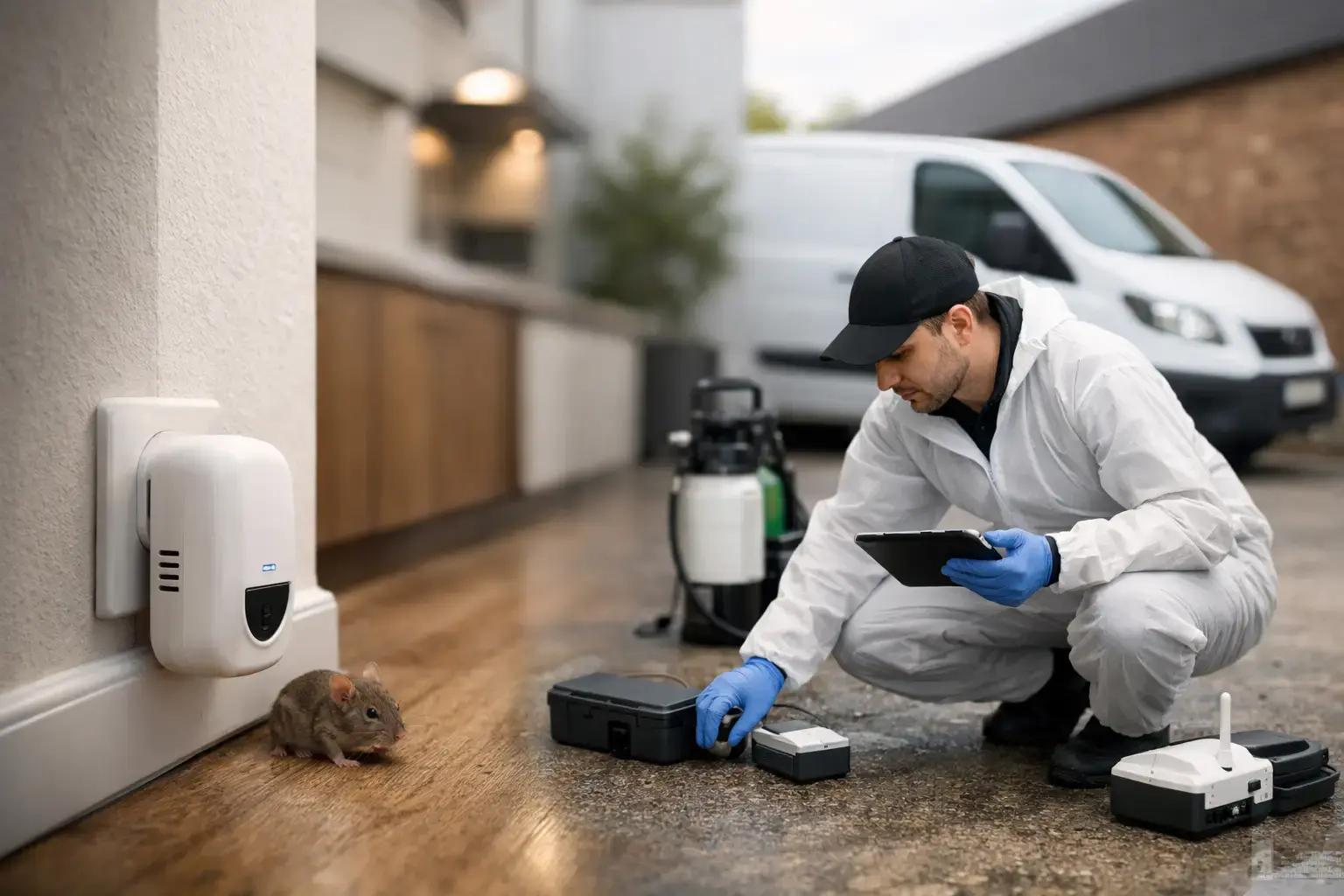
A missed rodent visit is rarely a small issue. In a home, it can turn into damaged loft insulation, contaminated food storage and repeated scratching in the walls. In a business, it can mean failed audits, reputational risk and disruption that costs far more than the pest control contract itself. That is why an electronic pest monitoring review matters - not as a gadget check, but as a practical look at whether this technology genuinely improves pest control results.
Electronic monitoring has become more common across commercial pest management, particularly where proof, speed and reporting matter. It is also increasingly discussed by landlords and homeowners who want faster warning signs of rodent activity. The key question is simple: does it work better than traditional monitoring alone? In many cases, yes. But the value depends on the property, the pest pressure and, crucially, how the system is managed.
What electronic pest monitoring actually does
Electronic pest monitoring systems use connected devices placed at key risk points to detect pest activity, usually rodents. Depending on the setup, sensors may record trap activations, movement, temperature changes or entry events. That information is then sent back to a portal or dashboard, allowing the pest controller to review activity without relying only on scheduled physical checks.
The immediate advantage is visibility. Traditional inspections still have a place, but they only show what is happening at the moment a technician attends. Electronic monitoring fills the gaps between visits. If there is sudden activity over a weekend, overnight or between service dates, that can be flagged much sooner.
For commercial operators, this matters because time is often the difference between a contained issue and a wider infestation. For domestic customers, it matters because rodents rarely keep to office hours. A loft or kitchen void can become active long before the signs are obvious in occupied rooms.
Electronic pest monitoring review - the main strengths
The biggest strength is speed of awareness. A connected system can alert a pest professional to activity as it happens or shortly afterwards. That shortens response times and helps target treatment where it is needed, rather than relying on broad assumptions.
There is also a reporting advantage. In commercial environments, especially food sites, care homes, warehouses and managed premises, records matter. Electronic systems can provide date-stamped evidence of activity, trap events and service decisions. That creates a clearer audit trail and supports compliance requirements.
Another benefit is trend tracking. Pest issues are not always constant. Activity may increase around bin areas, riser cupboards, production lines or delivery points at certain times. Over weeks and months, monitoring data can reveal patterns that are easy to miss with standard periodic inspections alone. That allows better proofing decisions and more precise control work.
Discretion is another practical benefit. In some environments, especially customer-facing premises, electronic systems can reduce unnecessary disruption by limiting repeated manual checking of every monitoring point when there has been no activity.
Where electronic monitoring works best
Electronic pest monitoring is particularly effective in larger or more complex sites. Multi-room commercial buildings, schools, retail units, warehouses, hospitality venues and blocks under management often benefit most because there are more access points and more areas that are not constantly occupied.
It is also well suited to sites where pest risk carries a compliance burden. If an environmental health inspection, third-party audit or internal quality process requires clear records, electronic systems add real value.
For landlords and property managers, the technology can be useful in communal areas, service corridors, bin stores and vacant units where pest activity can build unnoticed. In those settings, earlier alerts help prevent a local issue spreading through the building.
Domestic use is more selective. In some homes, especially larger properties or recurring rodent cases, monitoring can support a longer-term prevention plan. In a straightforward one-off mouse issue, however, it may be more than is needed. A proper survey should decide that, not a blanket sales pitch.
The limitations that a good review should not ignore
An honest electronic pest monitoring review needs to be clear about one point: monitoring is not the same as solving. A sensor can show you there is activity, but it does not block an entry point, remove harbourage or identify the reason pests are present in the first place.
This is where some expectations go wrong. People hear "smart monitoring" and assume it is a complete answer. It is not. It is a tool within a broader pest management strategy. If proofing is poor, waste handling is weak or food sources remain accessible, the alerts may keep coming because the root cause has not been addressed.
There is also the issue of placement. Electronic systems are only as good as the survey behind them. Put devices in the wrong areas and you get a false sense of security. Rodents are predictable in some ways, but not enough to make guesswork acceptable. Experienced inspection and site knowledge still matter.
Cost is another factor. Electronic monitoring can be excellent value in higher-risk sites, but not every property needs that level of system. A smaller domestic property with obvious signs and clear entry points may be better served by targeted treatment and proofing. Good pest control is about matching the method to the problem, not forcing every customer into the same model.
Electronic pest monitoring review for businesses
For businesses, the case is usually strongest when reputation, hygiene and continuity are on the line. A restaurant, food production unit, care setting or managed commercial premises cannot afford long blind spots between visits. The ability to spot activity quickly, log it properly and respond with evidence is a clear operational benefit.
That said, the best results come when monitoring is backed by technician-led service. Data alone does not interpret itself. Someone still needs to assess why activity has occurred, whether it reflects a single incursion or a developing infestation, and what corrective actions are needed on site.
In practice, the strongest commercial pest programmes combine electronic alerts with regular inspections, proofing recommendations, sanitation advice and decisive treatment. If one of those elements is missing, the system is weaker than it looks on paper.
Is it worth it for homeowners and landlords?
Sometimes yes, sometimes no. For a homeowner with a clear mouse issue in one area of the property, the priority is usually identification, entry point control and treatment. Electronic monitoring may help in persistent or difficult cases, but it is rarely the first thing that makes the difference.
For landlords, the value can be higher where there are repeated reports, void periods or communal spaces that are not checked daily. Monitoring can help establish whether there is active rodent movement, how often it is happening and whether control efforts are working.
The deciding factor should always be the survey. If the property has structural gaps, damaged air bricks, poor waste storage or heavy external pressure, those issues will need attention whether electronic monitoring is present or not.
What to look for in a pest control provider using this technology
The right question is not whether a company offers electronic monitoring. It is whether they know how to use it properly. A capable provider should be able to explain where devices will be placed, what data is collected, how quickly alerts are reviewed and what action follows when activity is detected.
They should also be realistic. If a contractor presents monitoring as a substitute for proofing, treatment or on-site expertise, that is a warning sign. Technology supports pest control. It does not replace professional judgement.
For commercial clients, reporting clarity matters. You should know what records you will receive and how those records support your compliance needs. For domestic clients and landlords, the priority is simpler: faster detection, practical recommendations and visible progress towards resolving the issue.
Used well, systems such as Bell IQ can strengthen pest control significantly by giving technicians better information and customers better visibility. But the result still depends on the team behind the system. That is why experienced local operators who understand building types, recurring risks and real site conditions tend to deliver better outcomes than technology-only approaches.
The verdict
Electronic pest monitoring is not a gimmick, and it is not a cure-all. It is a strong addition to modern pest management when used in the right setting and backed by proper field expertise. For commercial sites, it can improve response times, record keeping and overall control. For landlords and some homeowners, it can provide earlier warning and useful reassurance in more complex or recurring cases.
The real value lies in combining clear data with practical action. If a pest issue needs solving properly, monitoring should lead to decisions - proofing the gap, changing the treatment plan, increasing protection at the right points and dealing with the cause rather than just recording the symptoms.
If you are weighing up whether electronic monitoring is worth it for your property, start with the same principle that applies to any pest problem: get the diagnosis right first, then use the tools that fit the job.