

Blog
Do Landlords Need Pest Inspections?
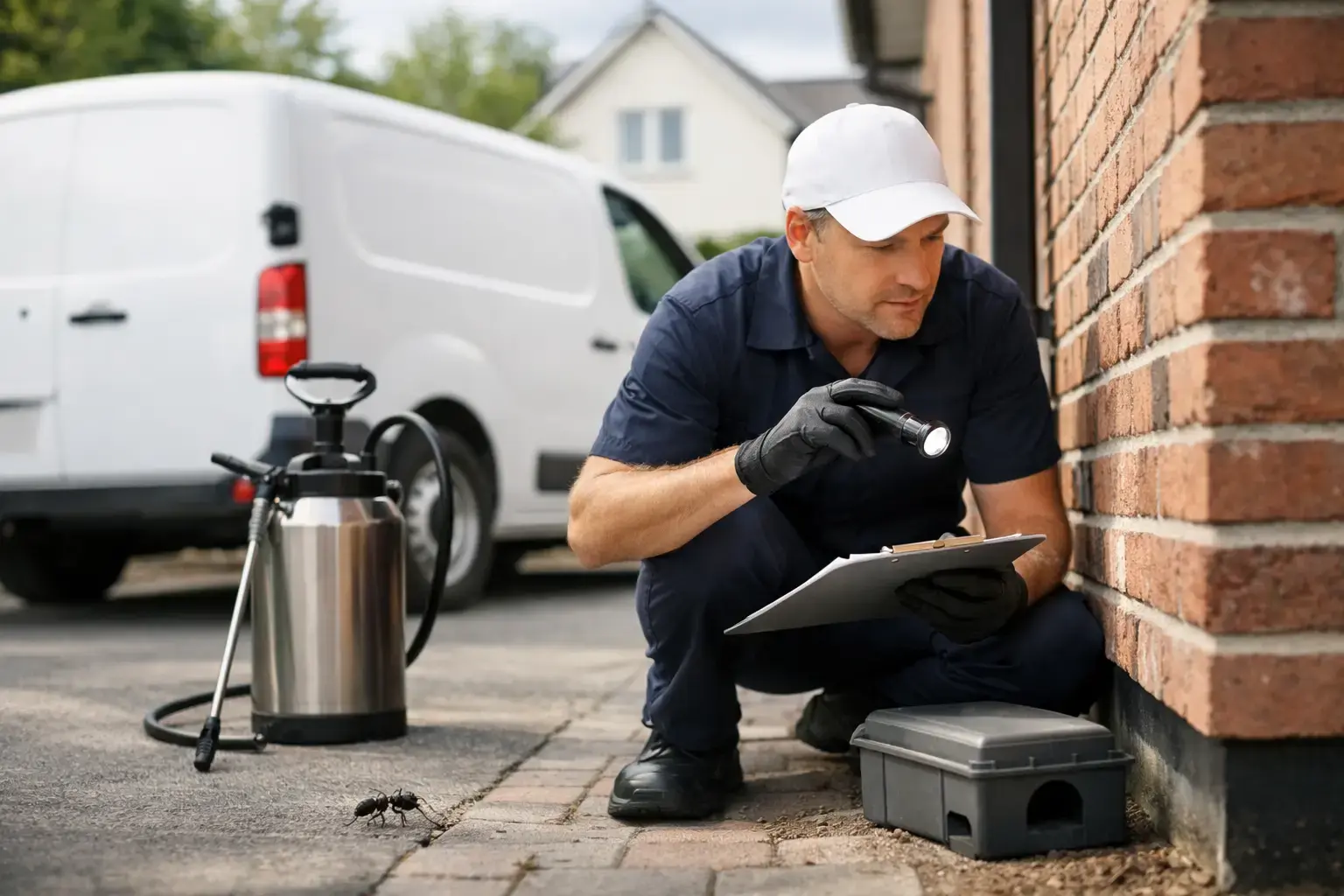
A tenant reports scratching in the loft, droppings under the sink, or bites that appeared overnight. At that point, the question is no longer academic - do landlords need pest inspections, or can they wait and see? In practice, waiting is often the expensive option. Pest issues rarely stay contained, and for landlords the real risk is not just treatment costs, but damage to the property, complaints, void periods and disputes over responsibility.
Do landlords need pest inspections by law?
There is no single rule that says every landlord must arrange routine pest inspections for every property in every circumstance. That is the short answer. The longer answer is that landlords do have legal duties to provide accommodation that is safe and fit to live in, and pest problems can fall squarely into that duty when they affect health, hygiene or the structure of the building.
If rodents are gaining access through broken drains, gaps around pipework, damaged air bricks or defects in the fabric of the property, that is usually a landlord issue. If an infestation makes the property unsuitable to occupy, ignoring it can create far bigger problems than the cost of an inspection. Local authorities can also become involved where there is a serious hazard or ongoing failure to address conditions.
So, do landlords need pest inspections as a matter of routine legal compliance? Not always. Do they need them when there is evidence of pest activity, a history of infestation or clear risk factors in the building? Very often, yes.
When a pest inspection is the sensible step
A professional inspection is most useful before a problem becomes entrenched. Landlords often call after tenants have tried shop-bought products, sealed up the wrong holes or left an issue to build for weeks. By then, mice may have spread through cavities, fleas may be established in carpets, or a wasp nest may have expanded in the loft space.
An inspection makes particular sense at the start of a tenancy, after a property has been empty, following building works, or when one tenant reports signs that are difficult to verify. It is also a strong move for older housing stock, HMOs and properties near bins, food premises, watercourses or overgrown external areas.
The reason is straightforward. A proper survey does more than confirm whether pests are present. It helps identify the species, the level of activity, likely entry points, harbourage areas and the conditions allowing the problem to continue. That is what turns pest control from guesswork into a solution.
The pests landlords most commonly face
In rental property, the same few problems come up again and again. Mice and rats are high on the list because they move quickly through voids, lofts and kitchens, and tenants usually spot the signs only after activity is well established. Cockroaches and bed bugs can become serious reputational and management issues, especially in multi-occupancy settings. Fleas are also common after a previous occupier has kept pets, while cluster flies, ants and wasps are frequent seasonal complaints.
Not every pest issue carries the same level of urgency. A single wasp entering through an open window is not the same as an active nest in the roof. A few ants in summer may be manageable, while rats under floorboards are not. That is why inspections matter. They separate minor nuisance from genuine infestation and help avoid overreacting or underreacting.
Who is responsible - landlord or tenant?
This is where disputes usually start. Responsibility depends on the cause of the problem, the tenancy agreement and the condition of the property.
If pests are present because of structural defects, poor proofing, failed drains, damaged vents, broken brickwork or longstanding maintenance issues, the landlord will usually need to act. If the property already had signs of infestation before the tenant moved in, that is also difficult to pass on to the tenant.
If, however, the issue is clearly linked to how the property is being used - such as poor waste storage, heavy clutter, food left out or hygiene failings - the tenant may carry some or all of the responsibility. Even then, assumptions can be risky. A landlord who blames the tenant without evidence may end up in a stronger dispute than the pest issue itself.
A professional inspection provides a clearer basis for decision-making. It can show whether the source is environmental, structural, behavioural or a mix of all three. In many cases, it is not completely one-sided. A tenant may be attracting activity with poor housekeeping, but the infestation becomes established because the building offers easy access and harbourage.
Why inspections save money
Some landlords avoid inspections because they want to keep costs down. That usually works only when there is no real problem. Once pests are active, delay tends to increase the bill.
Rodents can chew cables, contaminate insulation, damage stored items and create odour problems that linger between tenancies. Bed bugs can spread from one room to another and are far harder to resolve once they are embedded. Fleas can survive in soft furnishings and become an issue again when a new tenant moves in. In blocks and HMOs, one untreated room can undermine treatment elsewhere.
An inspection also helps prevent wasted spending. Treating the wrong pest, using the wrong method or missing the access point means the problem returns. For landlords, repeat call-outs, tenant complaints and void loss often cost far more than getting the diagnosis right at the start.
Do landlords need pest inspections before renting out a property?
Not in every case, but it is often a very sensible precaution. If a property has stood empty, recently had building works, has a known history of mice, fleas, wasps or other infestations, or shows obvious vulnerabilities, an inspection before marketing or move-in can save a great deal of trouble.
This is particularly true where there are signs that a previous issue was treated but not fully resolved. Dead bait boxes in a cupboard or old proofing work around pipes do not prove a property is clear. A fresh inspection confirms the current position and highlights any prevention work needed before a new tenancy starts.
For landlords managing multiple properties, this is also about consistency. A standard inspection process on higher-risk properties helps reduce avoidable complaints and shows a professional approach to property care.
What a professional pest inspection should cover
A useful inspection is not a quick glance around the kitchen. It should assess internal and external risk factors, likely entry points, signs of active infestation, nesting or harbourage, and the conditions supporting pest activity.
That may include loft spaces, subfloors, bin areas, drains, gardens, garages, cavity access points and service penetrations. In some cases, monitoring equipment may be recommended to confirm activity where signs are intermittent. The best outcome is a clear plan - what is present, how serious it is, what treatment is needed and what proofing or housekeeping changes will stop the issue returning.
For landlords, that written clarity matters. It supports communication with tenants, helps prioritise repair work and reduces the chance of recurring infestations.
Prevention matters as much as treatment
A treatment-only approach is where many pest problems come back. Landlords get the immediate issue dealt with, but the building remains easy to enter and easy to infest.
Prevention usually means looking at proofing, maintenance and site management. Gaps under doors, uncapped pipe entries, broken air bricks, damaged drains, overflowing bins and overgrown external areas all create opportunities. In some properties, minor repair work makes a major difference.
This is where specialist input adds value. Effective pest control is not just about applying a product. It is about finding the route cause and closing it down properly. That is especially important in rental property, where repeat issues quickly turn into repeat complaints.
The practical answer for landlords
If there are no signs of pest activity, no history of infestation and the property is in good repair, a formal inspection may not be essential. But where there is evidence, suspicion, a complaint, a previous issue or obvious risk factors, a professional pest inspection is the right move.
It protects the property, gives landlords evidence, helps resolve disputes over responsibility and reduces the chance of a small issue becoming a costly one. For landlords in Stockport and surrounding areas, where mixed housing stock and older buildings can present easy access points for pests, acting early is usually the most cost-effective decision.
The best time to deal with a pest problem is before it becomes a tenancy problem.