

Blog
Discreet Pest Control for Offices That Works
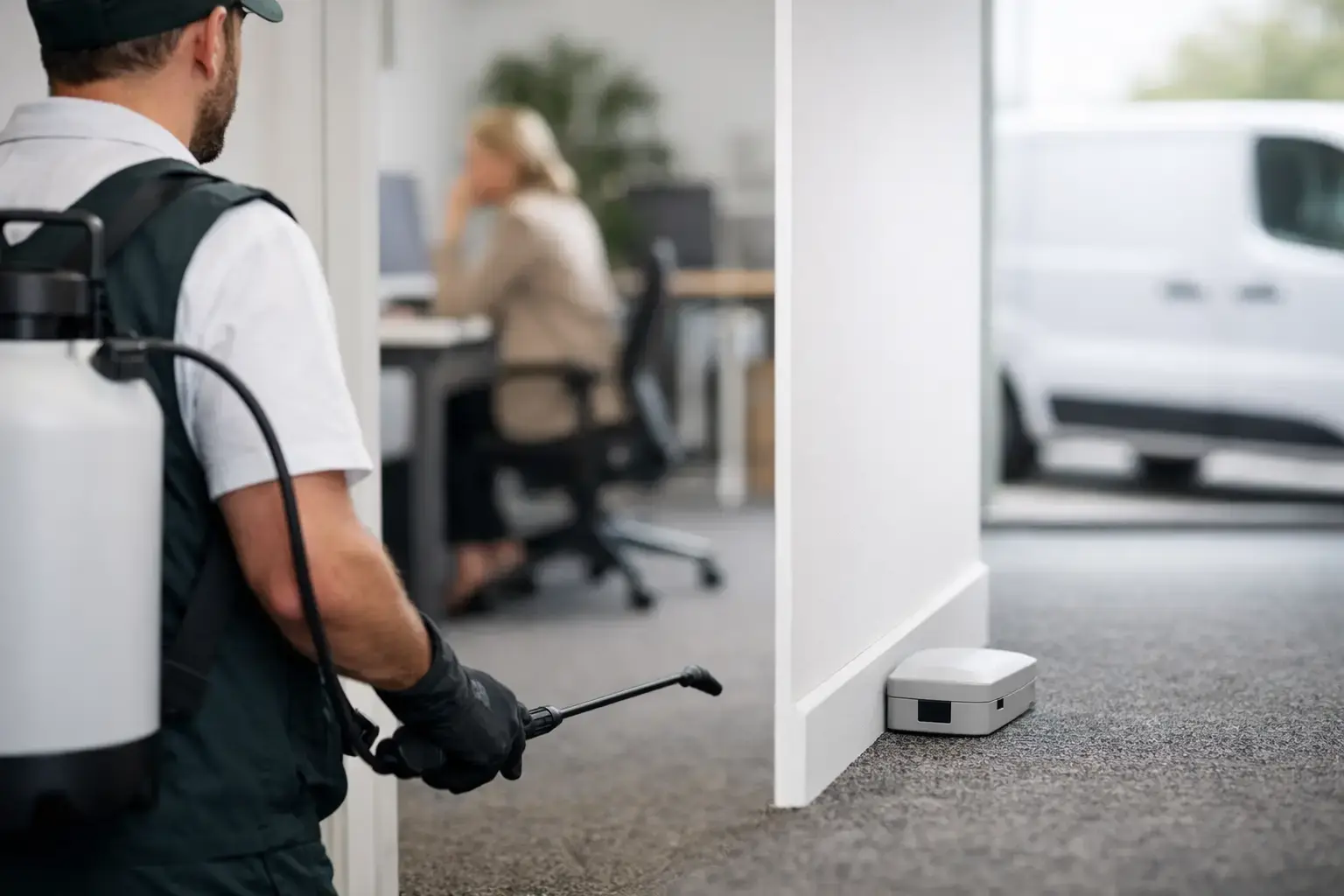
A mouse seen near the staff kitchen, droppings in a store cupboard or flies around a waste point can quickly become more than a maintenance issue. It can affect staff confidence, hygiene standards and the impression made on clients. Discreet pest control for offices gives businesses a practical way to deal with the problem quickly, without turning a routine treatment visit into office gossip.
For offices, discretion should never mean cutting corners. The right service is quiet, well planned and professionally documented, while still finding the cause of activity and preventing it from returning.
Why office pest problems need a different approach
An office is a busy shared environment. People eat at desks, kitchens are used throughout the day, deliveries arrive through multiple access points and waste may be stored close to the building. These everyday conditions can provide pests with food, warmth and a route indoors.
Rodents are a particular concern because they can contaminate food areas, damage cables and move unseen through ceiling voids, risers and under-floor spaces. Flies, cockroaches and stored product pests can also create hygiene concerns, especially where staff catering or hospitality areas are present. Birds around entrances, rooflines and loading areas may cause fouling, blocked gutters and repeated access issues.
The most visible sign is not always where the problem starts. A member of staff may spot a mouse in a kitchen, while the actual entry point is a gap around external pipework or a damaged door seal at the rear of the premises. Treating only the sighting can reduce activity temporarily, but it does not protect the building in the long term.
What discreet pest control for offices looks like
Professional discretion begins before the technician enters the building. Unmarked electric vans help avoid drawing unnecessary attention, particularly at client-facing offices, managed properties and sites with neighbouring businesses. Visits can be arranged around opening hours, quieter periods or agreed access arrangements, so inspections and treatment fit around normal operations.
Inside the premises, a qualified technician should work calmly and with a clear purpose. They will assess evidence of pest activity, likely harbourage areas, food and water sources, access routes and the risk to staff or visitors. This is not a one-size-fits-all exercise. A small office with a shared kitchen needs a different approach from a multi-floor building, call centre, serviced office or premises with stock storage.
Discretion also includes communication. The right people should receive clear information about what has been found, what action is required and what staff need to do. There is rarely a reason to alarm the wider team. A concise report for the facilities manager or responsible person is usually more useful than a highly visible response.
Treatment should be targeted, not disruptive
Effective treatment depends on the pest, the extent of activity and the building layout. Monitoring devices may be used to identify rodent movement before further control measures are selected. Modern remote monitoring systems, including Bell IQ technology where suitable, can provide reliable information between visits and help focus attention where it is needed.
For active infestations, treatment may involve strategically placed tamper-resistant bait stations, traps or other appropriate methods. These should be positioned away from normal office activity and checked regularly. Any product use must be considered carefully, particularly in kitchens, welfare areas and locations used by staff, visitors or contractors.
A responsible provider will also consider non-chemical measures first where they can solve the problem. Trapping, proofing, improved waste handling and changes to housekeeping can be highly effective. The goal is not simply to remove the pests seen today. It is to make the office less attractive and less accessible tomorrow.
Prevention is what protects reputation
The strongest office pest management programmes combine responsive treatment with prevention. This approach reduces the chance of a small issue becoming a complaint, an audit concern or an embarrassing encounter in front of a customer.
Pest proofing is often the most valuable part of the work. Small gaps below doors, damaged air bricks, unsealed service penetrations and poorly fitting drain covers are all common entry routes. Rodents need surprisingly little space to gain access, so a detailed survey matters. Repairs may be simple, but they need to be identified accurately and completed to a suitable standard.
Housekeeping also plays a role, though it should not be used to blame staff. Clear food storage, prompt waste removal, regular cleaning beneath kitchen units and avoiding overflowing external bins all reduce opportunities for pests. In larger offices, responsibility may sit across facilities, cleaning and building management teams. A practical pest plan makes those responsibilities clear.
For organisations with regular compliance requirements, scheduled inspections provide a useful record that the site is being managed properly. Service reports can show inspection findings, activity trends, treatment actions and recommendations. This evidence is particularly helpful for property managers, food-adjacent businesses, healthcare settings and organisations working to internal hygiene standards.
When a one-off visit is enough and when it is not
A one-off treatment can be appropriate when there is a clear, isolated issue. For example, a wasp nest outside a meeting room window or a single bird access point may be resolved with a focused visit and straightforward follow-up advice.
Recurring rodent activity, persistent flies, cockroaches or pest issues in a multi-occupancy building usually need an ongoing programme. The trade-off is simple: a planned service involves regular inspections, but it can prevent costly disruption and gives managers a clearer picture of risk. Where several tenants share waste areas, service corridors or roof spaces, coordinating action across the building is often essential.
It also depends on the office environment. A premises with a staff canteen, basement storage, extensive landscaped grounds or frequent deliveries has more potential pest pressure than a small, self-contained suite. The correct level of service should be based on evidence, not a generic package.
Choosing a provider you can trust on site
Office managers need a pest control company that can act professionally around staff and visitors while still being decisive when there is an urgent problem. Look for appropriate qualifications, insurance, safe working practices and clear reporting. Local knowledge also helps, as pest pressures and building types vary across Stockport, Manchester and the wider North West.
Ask how visits are handled, whether vehicles are unmarked, what happens if activity continues, and how recommendations are communicated. It is also sensible to ask about environmental responsibility. Wildlife-conscious methods and proportionate product use are part of competent modern pest management, not an optional extra.
AZ Environmental Service Pest Control provides tailored commercial pest management with discreet attendance, detailed surveys, treatment plans and prevention work. The focus is on solving the cause of the problem, including difficult cases where a previous approach has failed.
A quiet response can still be a thorough one
No office manager wants a pest issue to become visible to clients or unsettling for staff. Acting early gives you more options, from simple proofing and monitoring through to targeted treatment where needed. It also allows the work to be planned around the building rather than forced into a rushed response after the problem has grown.
If you have noticed signs of activity, keep the area undisturbed where possible, record where and when the issue was seen, and arrange a professional assessment. A discreet, evidence-led response protects the people who use your office and the reputation you have worked hard to build.