

Blog
Commercial Infestation Recovery Example
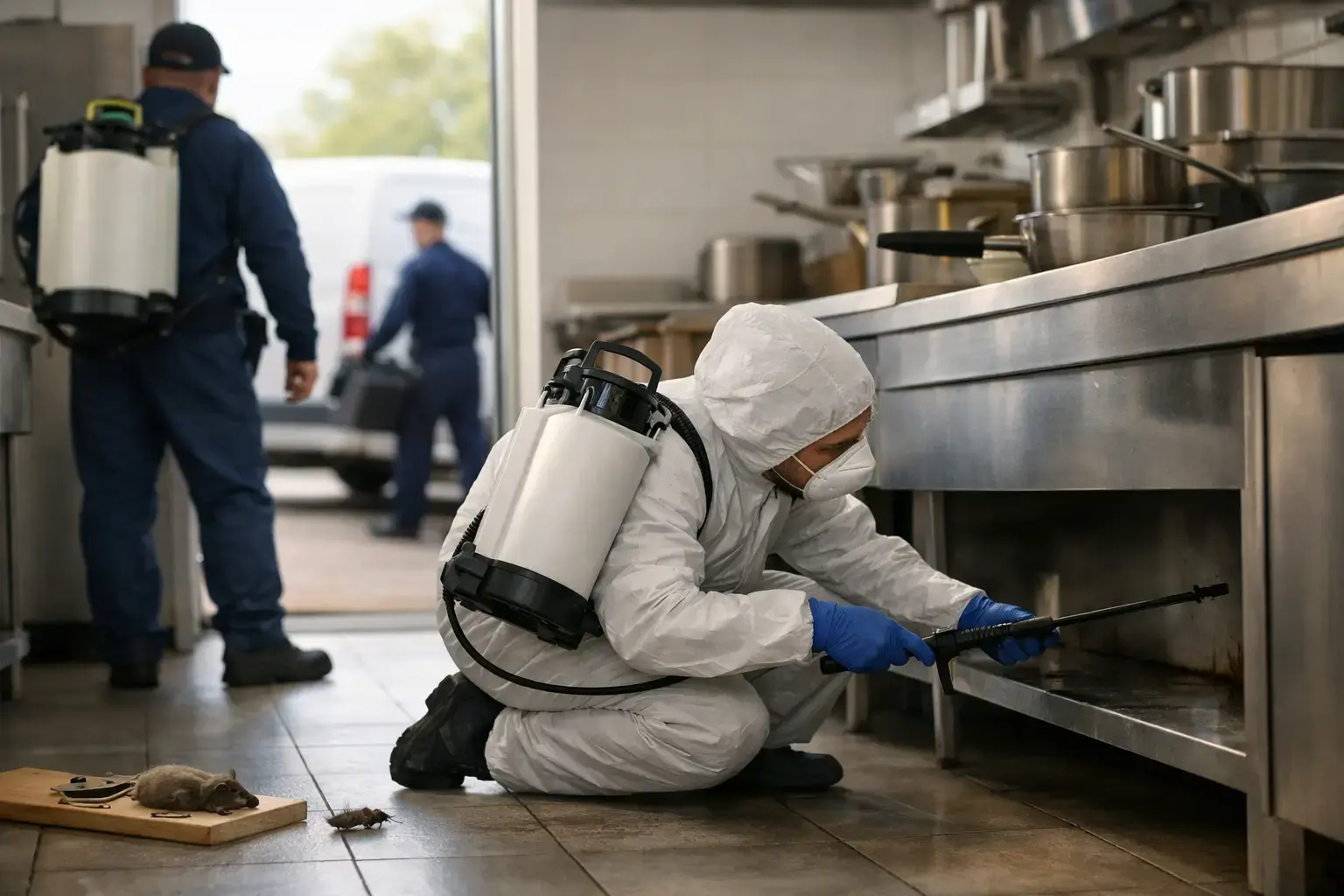
A single pest sighting in a commercial building rarely stays a minor issue for long. One missed report in a stockroom, one droppings trail behind shelving, or one nesting point above a loading bay can quickly become a hygiene problem, a staff concern and a reputational risk. This commercial infestation recovery example shows what effective recovery looks like when the response is technical, discreet and built around keeping the business operational.
For commercial operators, recovery is not just about removing pests. It is about restoring control. That means identifying the source, understanding why the infestation took hold, proving the treatment is working and reducing the risk of it returning. In practice, the recovery phase matters just as much as the initial pest treatment.
What a commercial infestation recovery example needs to show
A useful commercial infestation recovery example should go beyond the treatment itself. Business owners and site managers need to know what happens after the first visit, how disruption is managed and what evidence supports the outcome. In a commercial setting, especially in food handling, hospitality, warehousing, offices and managed properties, there are usually four pressures at once - speed, discretion, compliance and prevention.
That is why a proper recovery process is structured. The first step is confirming pest activity and identifying the species accurately. Different pests require different methods, and guessing wastes time. Rodents, stored product insects, cockroaches and birds all create very different risks and need a different recovery plan.
The next step is surveying the building properly. A quick visual check is rarely enough in a commercial premises. Entry points, voids, drain runs, ceiling spaces, waste storage areas and delivery points all need to be considered. If the survey is shallow, the infestation often appears resolved before the root cause has actually been dealt with.
A practical commercial infestation recovery example
Imagine a medium-sized food storage unit attached to a retail operation. Staff begin noticing gnawed packaging in a rear goods-in area and occasional droppings along wall edges near pallet storage. The business is still trading, but managers are concerned about contamination, audits and customer confidence.
At this stage, many businesses make the same mistake. They focus only on immediate removal. Baits or traps may reduce visible activity, but if harbourage, access points and stock handling weaknesses remain, the problem returns. A real recovery plan starts by treating the building as a system, not just a single pest incident.
The initial site survey confirms mouse activity concentrated around the loading door, a cable entry gap and poorly managed dead space behind racking. There are also signs that food debris has built up beneath storage units where routine cleaning cannot easily reach. None of these issues alone caused the infestation, but together they created ideal conditions.
The first phase of recovery is containment. Monitoring points are installed in key internal and external areas, treatment is placed in accordance with the site risk profile and staff are given clear guidance on access, housekeeping and reporting. In a commercial premises, this part must be discreet and controlled. The aim is to reduce activity quickly without creating unnecessary disruption for staff, visitors or customers.
The second phase is correction. Proofing work closes the cable gap and the loading door is adjusted to reduce easy access. Cleaning routines are reviewed around fixed storage areas, damaged stock is removed properly and waste handling is tightened. This is where many recoveries either succeed or fail. If the environment remains favourable, treatment alone becomes a holding measure rather than a solution.
The third phase is verification. Follow-up inspections assess feeding levels, activity trends, fresh droppings, rub marks and any new signs around vulnerable points. Monitoring data matters here. A site should not be declared clear because there have been fewer sightings for a few days. The recovery is only credible when evidence shows activity has been broken and the conditions that supported it have been addressed.
Why recovery takes more than one visit
Commercial clients often want a fixed answer to one question: how quickly will this be over? The honest answer is that it depends on the species, the scale of activity, the structure of the premises and how quickly corrective actions are implemented.
A small, localised mouse issue in an otherwise well-managed building may be brought under control quickly. A more established infestation across multiple access points, particularly in a cluttered warehouse, food premises or older building fabric, can take longer. Speed matters, but so does durability. A fast-looking result that fails two weeks later is not a recovery.
This is why ongoing visits are usually part of the process. Each inspection builds a clearer picture of what is changing on site. It also allows treatment to be adjusted. If activity shifts from one area to another, or if internal signs stop while external pressure remains high, the plan needs to respond. Commercial pest control is rarely a set-and-forget job.
The role of proofing in a commercial infestation recovery example
In most commercial infestations, proofing is not an optional extra. It is one of the main reasons a site stays pest-free after treatment. Buildings naturally move, wear and deteriorate. Service penetrations widen, door seals fail, vents become vulnerable and storage layouts create hidden harbourage.
A strong commercial infestation recovery example should show how treatment and proofing work together. If rodents are removed but the same entry route remains open, the site is still exposed. If birds are displaced from a structure but ledges remain attractive and unprotected, nesting pressure is likely to return. If insects are treated but stock rotation and hygiene controls stay weak, the underlying risk remains in place.
Good proofing is practical. It suits the site, the pest species and the way the premises actually operates. Over-engineering can be as unhelpful as under-reacting. A loading area used all day will need a different approach from a secure plant room or a quiet office building.
Discretion, records and reassurance
Commercial recovery is not only technical. It is operational. Businesses need confidence that the issue is being handled professionally and without unnecessary visibility. For many sites, especially customer-facing premises, discretion is a genuine concern.
That includes how visits are carried out, how findings are reported and how recommendations are communicated to managers and staff. Clear records matter because they support internal decision-making and, where relevant, help demonstrate due diligence. If a business is challenged on hygiene or site standards, vague assurances are not enough. It helps to have dated findings, treatment notes, monitoring results and evidence of corrective action.
For landlords and property managers, this is equally important. A pest issue affecting communal areas, bin stores, service voids or vacant units can quickly spread into a wider building management problem. Recovery in these cases means looking at the whole property, not just the unit where the first complaint was raised.
When technology adds value
Modern monitoring systems can improve commercial recovery, but only when they are used properly. On some sites, digital monitoring provides earlier warning of renewed activity and helps direct follow-up visits more efficiently. On others, a traditional inspection-led approach is perfectly suitable.
The key point is not the gadget itself. It is whether the method improves visibility and response. High-risk sites, larger premises and businesses with strict audit expectations often benefit from more structured monitoring. Smaller sites may not need that level of system. As with treatment, the right answer depends on the risk profile.
What businesses should learn from this example
The strongest lesson from any commercial infestation recovery example is simple: recovery is a process, not a single treatment event. Effective pest control removes current activity, but professional recovery also closes off re-entry, addresses attractants and gives the client evidence that the premises is moving back to a controlled state.
For businesses in Stockport and the wider surrounding area, that practical approach matters. Whether the site is a restaurant, warehouse, office, school, retail unit or managed property, the real objective is the same - protect operations, protect standards and stop the issue becoming a recurring cost.
If you are dealing with pest activity in a commercial premises, the right response is not the one that looks quickest on day one. It is the one that stands up after the follow-up visits, after the proofing is complete and after the site has returned to normal trading with confidence. That is what recovery should look like.