

Blog
Cockroach Treatment Manchester That Works
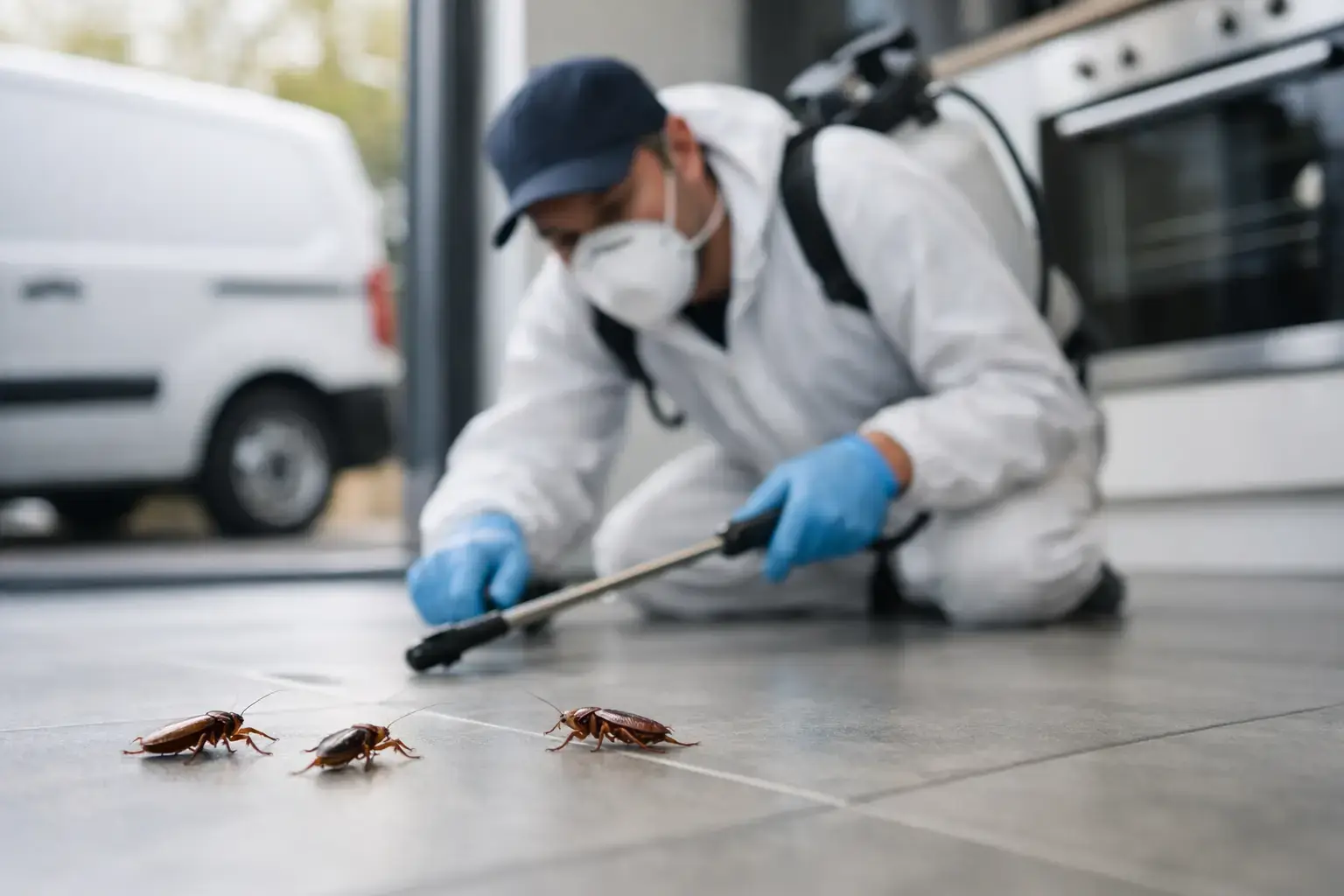
A cockroach sighting in a kitchen, staff room or bathroom is rarely an isolated problem. Cockroach treatment Manchester property owners need must deal with the hidden harbourages, food sources and access points that allow an infestation to continue - not simply remove the insects that happen to be visible.
Cockroaches are persistent, fast-breeding pests. They favour warm, humid and undisturbed areas, often living behind appliances, inside wall voids, beneath units and around pipework. By the time one is seen during the day, there may already be a well-established population nearby.
For homeowners, landlords, restaurants, care settings, offices and managed properties, rapid professional action protects hygiene, reputation and peace of mind. The right treatment is targeted, discreet and backed by practical prevention work.
Why cockroach infestations need professional control
Cockroaches can contaminate food preparation surfaces, cupboards, utensils and stored products as they move through buildings. Their droppings, shed skins and saliva can also aggravate allergies, particularly for children and people with respiratory conditions. In commercial premises, an untreated issue can create serious food hygiene and compliance concerns.
The main challenge is that cockroaches are highly skilled at staying out of sight. German cockroaches, one of the most common indoor species, are small enough to hide in narrow cracks around kitchen units, fridges, boilers and electrical equipment. Oriental cockroaches are often associated with damp areas, drains and utility spaces, although they can move into occupied parts of a building when conditions suit them.
A shop-bought spray may kill a few exposed insects, but it will not reliably reach the nest, egg cases or harbourage points. Worse still, inappropriate spraying can push cockroaches further into wall voids and adjoining rooms, making the problem harder to resolve. Effective control depends on correct identification, a detailed survey and a treatment programme suited to the property.
What a cockroach treatment in Manchester should involve
A professional visit should begin with investigation, not guesswork. An experienced technician will establish where cockroaches are active, identify the likely species, assess how far the issue has spread and look for the conditions supporting it. This includes checking high-risk areas such as kitchens, utility rooms, bin stores, service risers, bathrooms, boiler cupboards and appliance surrounds.
In blocks of flats, shared commercial buildings or converted properties, the source may not be contained within one unit. Cockroaches can travel through pipe penetrations, cable routes, structural gaps and communal services. Treating one room in isolation may bring temporary improvement, but it can leave the wider infestation untouched.
Targeted treatment, not a one-size-fits-all response
Modern cockroach control commonly uses professional-grade gel bait placed precisely in identified activity areas and harbourages. The bait is designed to be taken back to the population, helping to control insects that do not come into direct contact with the initial application. Monitoring points may also be used to confirm activity levels and measure treatment progress.
The exact approach depends on the species, property type, severity of the infestation and who uses the premises. A domestic kitchen may need a focused treatment and advice on proofing, while a food business may require a planned programme with documented monitoring, follow-up visits and tighter hygiene controls.
A qualified technician will also explain any preparation required before treatment. This might include clearing food from affected cupboards, improving access behind appliances or avoiding cleaning treated bait placements. Clear instructions matter because disturbing treatment areas too early can reduce results.
Follow-up visits are often essential
Cockroach treatment is rarely a single-visit job. Egg cases can survive an initial treatment, and newly hatched nymphs need to be controlled before they mature and reproduce. Follow-up inspections allow the technician to refresh bait, review monitoring devices and respond to any remaining activity.
This is where a proper treatment plan makes the difference. The aim is not to create a short period with fewer sightings. It is to break the breeding cycle and confirm that the infestation has been eliminated.
Signs you may have a cockroach problem
Cockroaches are mostly nocturnal, so activity can be missed until numbers increase. If you notice one or more of the following, it is sensible to arrange an inspection promptly:
- Small dark droppings resembling black pepper or coffee grounds, particularly in cupboard corners and around appliances.
- A stale, unpleasant smell in enclosed kitchens, storage spaces or utility areas.
- Shed skins, brown egg cases or dead insects near warm equipment and plumbing routes.
- Smear marks or spotting around wall edges, worktops and areas where cockroaches regularly travel.
- Live cockroaches seen after lights are switched on, especially during daytime hours.
Do not assume that good housekeeping means cockroaches cannot be present. Clean premises can still be affected through deliveries, second-hand appliances, neighbouring units, shared pipework or gaps around services. Hygiene is an important part of prevention, but it is not a substitute for professional control where an infestation is active.
Preventing cockroaches from returning
Once treatment is under way, prevention work helps keep the property protected. Cockroaches need food, water, warmth and safe places to hide. Removing as many of those opportunities as possible supports a lasting result.
Food should be kept in sealed containers, spills dealt with promptly and waste stored in bins with close-fitting lids. Pay close attention to the areas people overlook: crumbs beneath cookers, grease behind fridges, pet food left overnight and residue in recycling containers. Leaking taps, condensation and damp beneath sinks should also be addressed, as even small water sources can sustain cockroach activity.
Proofing is equally important. Gaps around pipes, damaged seals, cracks behind units and openings around cable routes can provide access to new areas of the building. In commercial kitchens and multi-occupancy properties, these details are especially significant because pests can move between rooms or units without being seen.
For landlords and property managers, a quick response is the most cost-effective approach. Delays can allow an issue to spread between flats, create tenant dissatisfaction and increase the work needed to bring the building back under control. Maintaining clear reporting routes and arranging inspections at the first sign of activity gives treatment the best chance of remaining contained.
Discreet support for homes and businesses
Pest problems are stressful, and commercial operators also have to protect their customers and reputation. Discretion should never mean cutting corners. It means arriving professionally, carrying out a thorough assessment and providing a clear course of action without causing unnecessary disruption.
AZ Environmental Service Pest Control provides tailored cockroach control across Manchester and the surrounding area, with unmarked electric vans available for a discreet visit. Treatment is based on the conditions found on site, supported by technical expertise, responsible working practices and the practical proofing advice needed to stop repeat problems.
For businesses, the priority is often maintaining safe operations while resolving the issue thoroughly. This may mean scheduling work around trading hours, protecting food-handling areas and documenting treatment activity for management records. For households, it may mean reassuring occupants, treating affected rooms carefully and giving straightforward advice that is realistic for everyday life.
The most useful step after spotting a cockroach is to avoid moving items from the affected room or relying on repeated aerosol sprays. Keep the area as undisturbed as practical, note where and when activity has been seen, and arrange a professional inspection. Early, targeted action is the quickest route back to a clean, confident and pest-free property.