

Blog
Cockroach Infestation Guide for Homes and Businesses
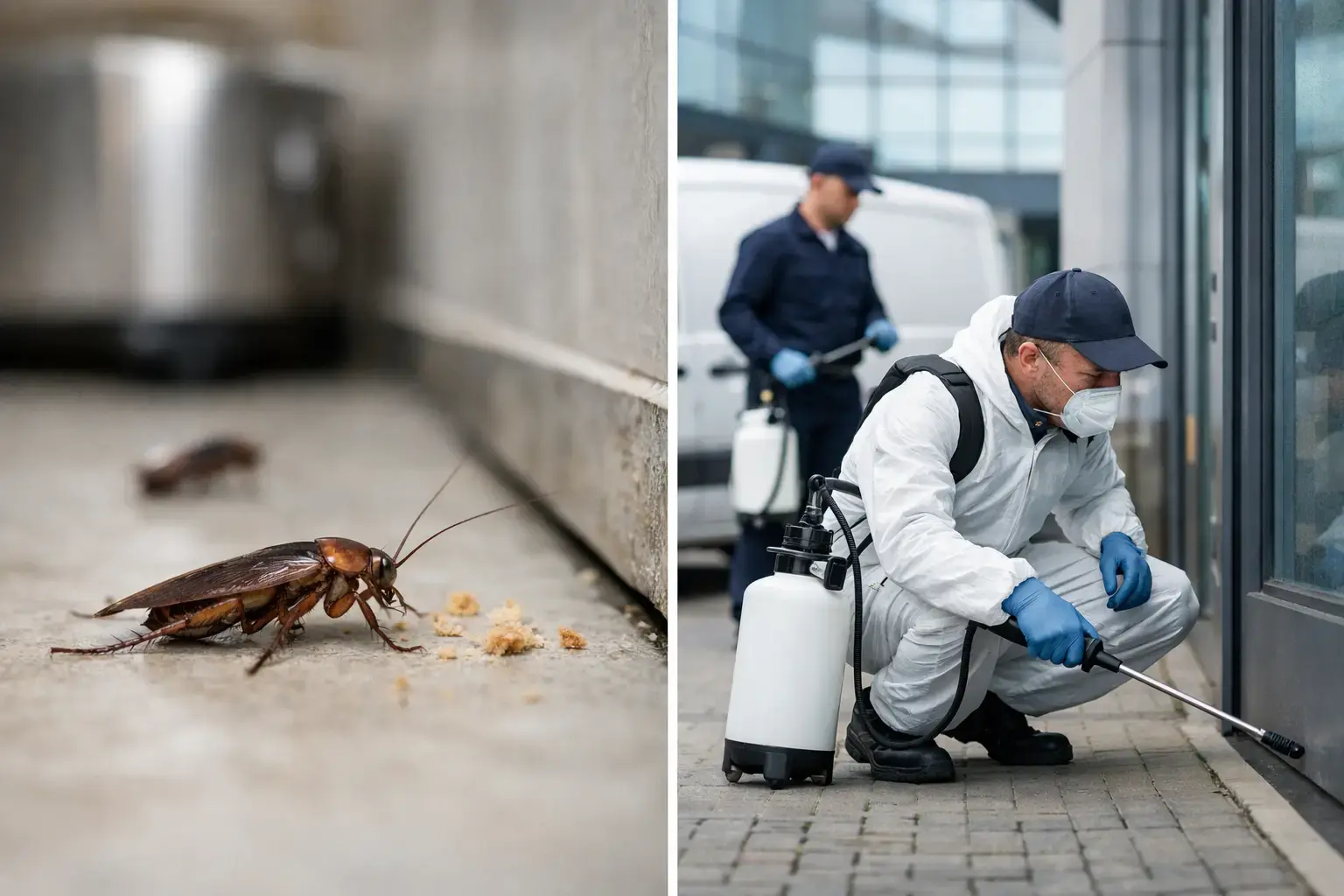
A cockroach sighting in a kitchen, bathroom or staff area is rarely an isolated event. These pests are secretive, mainly active at night and highly effective at finding food, warmth and moisture. This cockroach infestation guide explains how to recognise the problem, limit the risk of it spreading and understand when professional treatment is the right next step.
Cockroaches can affect any property, from a well-kept family home to a busy restaurant, office block or rental property. They are not simply an unpleasant nuisance. Their presence can create hygiene concerns, contaminate food areas and damage confidence in a business or tenancy. Fast, informed action gives you the best chance of resolving the issue before numbers build.
What a cockroach infestation can look like
Seeing a live cockroach is the clearest sign, particularly if it is spotted during the day. Daytime activity can indicate that harbourage areas are crowded or disturbed, although it is not a reliable measure of infestation size on its own. Cockroaches may be carried in through deliveries, second-hand appliances, luggage, stock or packaging, then establish themselves in hidden areas where conditions suit them.
Most infestations are first noticed through the smaller signs. Look for dark, pepper-like droppings around cupboard hinges, beneath sinks, behind fridges and near pipework. You may also find shed skins, brown egg cases, smears along edges and a stale, musty smell in more established infestations.
Common harbourage points include the voids behind kitchen units, under appliances, boiler cupboards, meter boxes, service risers, suspended ceilings and cracks around plumbing. In flats, commercial premises and multi-occupancy buildings, cockroaches may also move between adjoining areas through pipe penetrations, shared ducts and wall voids. Treating one visible spot without finding these routes often leads to a recurring problem.
The species matters
Correct identification helps determine the right treatment plan. German cockroaches are small, light brown and commonly found in warm kitchens, food premises and bathrooms. Oriental cockroaches are darker, larger and more often associated with drains, damp areas, cellars and external access points. Other species can arrive through imported goods, plant rooms or commercial supply chains.
A professional survey should establish the species, likely harbourage, food and water sources, and the routes allowing cockroaches to enter or spread. This is why a treatment that appears straightforward can fail when it is based on guesswork.
Why cockroaches need a prompt response
Cockroaches breed quickly where warmth, water and food are available. A small number can develop into a wider infestation before the property owner sees much activity. They can also survive on surprisingly limited food sources, including crumbs beneath appliances, grease deposits, pet food, rubbish residue and cardboard packaging.
For households, the main concerns are hygiene, distress and the difficulty of reaching pests hidden inside fixtures or voids. For landlords and property managers, there is an added need to identify whether access, maintenance issues or neighbouring properties are contributing to the problem. Clear records and a coordinated approach may be needed in shared buildings.
Commercial operators face further pressure. Food businesses, care settings, hospitality venues, warehouses and workplaces must protect hygiene standards and minimise disruption. A visible cockroach can quickly become a reputational issue, while an unmanaged infestation can affect inspections, staff confidence and day-to-day operations. Discreet, targeted treatment is especially valuable where customers or tenants are on site.
Immediate steps to take before treatment
Do not rely on aerosol sprays or bug bombs as the main response. Sprays may kill the cockroaches you see while driving others deeper into wall voids or into neighbouring rooms. Fogging treatments can be unsuitable without a full assessment and may interfere with bait-based control methods.
Start by reducing the conditions cockroaches use to survive. Store food in sealed containers, wipe down food preparation surfaces, remove rubbish promptly and avoid leaving pet food out overnight. Clean beneath and behind appliances where possible, paying attention to grease and crumbs. Fix dripping taps, leaking traps and damaged seals around sinks, as reliable moisture is a major advantage for cockroaches.
Avoid moving infested appliances, cupboards or loose items into another room unless advised by a pest controller. This can spread egg cases and live insects to new areas. Equally, avoid throwing away items immediately if they can be inspected and treated. The priority is to understand where the infestation is established before disrupting it.
If you run a business, ask staff not to move stock or cardboard from the affected area until it has been checked. Keep a note of when and where activity is seen, including photographs where practical. This information can help identify patterns, particularly when activity is linked to deliveries, overnight periods, drains or a particular appliance.
Cockroach infestation guide: what professional treatment involves
Effective cockroach control is not a single spray and a quick departure. It begins with inspection. A qualified technician will assess the type and scale of activity, inspect likely harbourage areas and identify the factors supporting the infestation. In complex commercial sites, this may include monitoring points and a plan to track activity across several rooms or units.
Treatment is then tailored to the property. Professional gel baits are commonly used because cockroaches feed on them and can transfer the active ingredient back to harbourage areas. Insecticidal dusts, targeted residual applications, monitoring traps and proofing recommendations may also be used where appropriate. The correct method depends on the species, the location, the presence of children or pets, food-handling requirements and the layout of the building.
Follow-up visits are often necessary. Cockroach eggs can be protected from some treatments, and newly emerged nymphs need to encounter bait or treated areas as the programme continues. A technician should review activity, refresh treatment where needed and confirm that sanitation and proofing actions are working. Be cautious of any service that promises a permanent fix without inspection, preparation or follow-up.
At AZ Environmental Service Pest Control, cockroach work is approached as an end-to-end problem: identification, a site-specific treatment plan, practical prevention advice and discreet service where required. For difficult or recurring cases, this structured approach matters far more than a one-size-fits-all treatment.
Preventing cockroaches from returning
Prevention is most effective when it addresses food, water, harbourage and entry points together. In a domestic kitchen, that may mean resealing gaps around pipes, replacing damaged door or window seals and avoiding long-term storage of cardboard beneath sinks or in utility rooms. In commercial premises, routine cleaning alone is not enough if service penetrations remain open or stock deliveries are introducing pests.
Property managers should consider the wider building. A treatment inside one flat may not solve a problem originating from another unit, a bin store, a riser cupboard or a drainage defect. Coordinated inspections and clear communication with occupiers are often required. The same applies to businesses in shared retail, industrial or office sites.
Monitoring is useful after treatment, particularly for food premises and high-risk commercial environments. It provides evidence of whether activity has stopped, shows where any remaining pressure exists and helps prevent a small reintroduction becoming an operational issue. Modern pest management is based on evidence and prevention, not simply reacting when pests become visible.
When to call a pest control specialist
Call for professional help as soon as you see repeated activity, droppings, egg cases or cockroaches in food preparation areas. It is also sensible to arrange an inspection after a single sighting in a restaurant, care environment, rental block or business where hygiene and reputation are critical. Waiting to see whether the problem disappears can allow it to become established.
A qualified local specialist can assess the property safely, explain the treatment process clearly and provide practical actions for those living or working on site. For homes and businesses in Stockport and the surrounding area, early action is usually less disruptive, more contained and easier to manage than dealing with a large infestation later.
The most useful next step is simple: preserve the evidence, keep the affected area clean and dry, and arrange a proper inspection before the cockroaches have time to settle further into the building.