

Blog
Can Cockroaches Spread Disease Indoors? The Facts
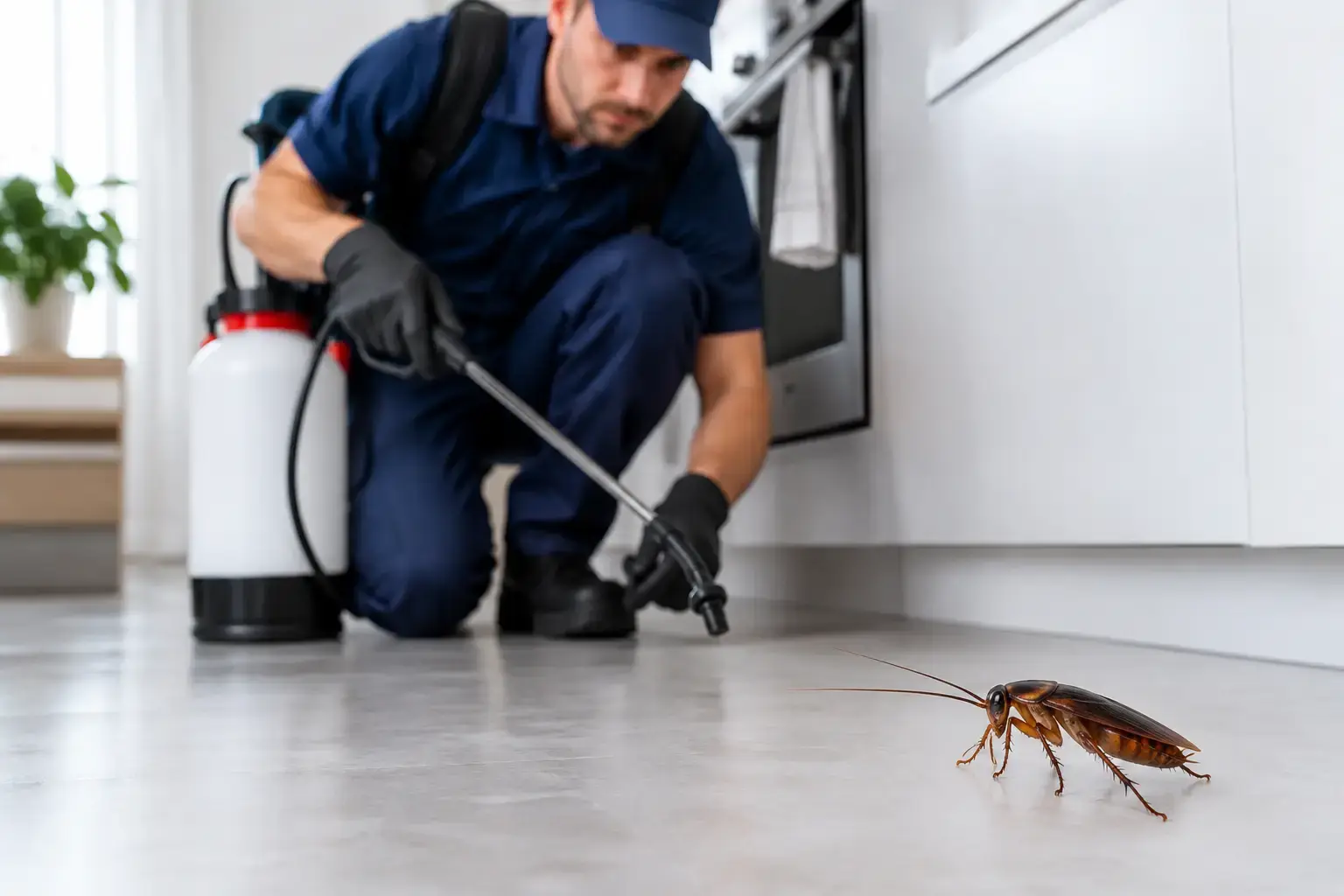
A cockroach seen crossing a kitchen worktop at night is more than an unpleasant surprise. It can be a hygiene warning. Can cockroaches spread disease indoors? They can contribute to the spread of harmful germs by carrying them from dirty areas to food, preparation surfaces and utensils. A sighting also often means there are more cockroaches concealed nearby, so prompt action matters.
Cockroaches are not usually the direct cause of an illness in the way that a bite from an infected insect might be. Their main risk is mechanical contamination. They travel through drains, bins, voids, sewers and other unclean locations, then move across the places where people prepare food, eat and store household items.
Can cockroaches spread disease indoors?
Yes. Cockroaches can pick up bacteria, parasites and other contaminants on their bodies and legs, then transfer them as they move around a property. They may also contaminate surfaces through droppings, shed skins, saliva and regurgitated material.
The greatest concern is where cockroaches have access to kitchens, food stores, staff break rooms, care settings, restaurants or other hygiene-sensitive areas. German cockroaches, one of the most common indoor species, are particularly suited to this environment. They hide in warm, tight spaces around appliances, pipework, cupboards and electrical equipment, emerging largely after dark.
A single cockroach does not prove that someone will become ill. The actual risk depends on the level of infestation, where the insects have been travelling, how food is handled and whether cleaning controls are effective. However, it is not a problem to ignore, particularly in a commercial premises or a home with young children, older residents or anyone with a weakened immune system.
How cockroaches contaminate kitchens and living spaces
Cockroaches need food, moisture and shelter. Once inside, they will exploit small gaps behind kitchen units, beneath fridges, around boilers, under sinks and inside wall or floor voids. They are highly adaptable and can feed on crumbs, grease, pet food, rubbish, cardboard, glue and even soap residue.
As they move between these harbourage points and food areas, contamination can occur. A cockroach that has travelled through a bin cupboard, a drain area or a dirty void may then cross crockery, food packaging or a worktop. The issue becomes more serious when food is left uncovered or utensils are stored in accessible drawers.
Their droppings are also a clear concern. Small dark specks, often compared with ground pepper or coffee grains, can collect in cupboard corners, behind appliances and along drawer runners. Larger species may leave more noticeable cylinder-shaped droppings. In addition to being unsanitary, cockroach debris can trigger allergic reactions in some people.
Allergies and asthma can be part of the risk
Cockroach allergens are found in droppings, saliva and shed body parts. When these particles become airborne or settle in household dust, they may aggravate asthma and allergy symptoms, especially in children and people who are already sensitive.
This does not mean every cockroach problem will cause respiratory symptoms. But a persistent infestation in a poorly ventilated flat, shared property or busy commercial kitchen should be taken seriously. Removing visible insects without dealing with the harbourage and breeding population will not solve the underlying issue.
Signs that need professional attention
Cockroaches are secretive, so daytime activity can indicate a larger infestation or that hiding places are overcrowded. You may also notice a stale, musty odour in an affected cupboard or room, smear marks around harbourage areas, egg cases, shed skins or repeated sightings near warmth and water.
For landlords and property managers, reports of insects in communal kitchens, bin stores, laundry areas or individual flats should be investigated quickly. Cockroaches can move through service ducts, shared pipework and wall voids, meaning an apparent issue in one unit may have a wider source.
In food businesses, healthcare environments, hospitality venues and workplaces, cockroach activity can create significant hygiene and compliance concerns. A fast, documented response helps protect customers, staff and the reputation of the premises.
Why shop-bought sprays often fail
Aerosol sprays may kill the cockroach you can see, but they rarely reach the nest, hidden egg cases or the full breeding population. Worse, indiscriminate spraying can push cockroaches deeper into wall voids and spread activity into new areas.
Effective treatment relies on accurate identification, inspection and targeted application. Cockroach species behave differently, and the treatment must account for where they are feeding, breeding and travelling. Gel baits, monitoring stations, carefully selected insecticides and proofing measures may all have a role, but the right combination depends on the property and infestation level.
For commercial sites, ongoing monitoring can be as valuable as the initial treatment. It identifies activity early and provides evidence that controls are working. This is particularly useful where hygiene standards, audits or customer confidence are at stake.
What to do while arranging treatment
Good hygiene supports professional control, but cleaning alone will not remove an established infestation. Start by sealing food in hard containers, clearing crumbs and grease from worktops, emptying bins regularly and keeping pet food covered overnight. Avoid leaving washing-up or standing water in sinks, as moisture is a major attractant.
Pay attention to the less obvious areas: beneath fridges and cookers, inside the void behind kitchen plinths, under sinks and around leaking pipes. Cardboard boxes can provide excellent shelter, so remove unnecessary packaging and store items off the floor where possible.
Do not move infested appliances, boxes or furniture into another room without advice. This can carry cockroaches and egg cases into previously unaffected areas. Likewise, avoid using multiple over-the-counter products before an inspection, as this can make treatment less effective and complicate an accurate assessment.
A targeted solution for homes and businesses
A professional cockroach survey should establish the species involved, likely harbourage points, routes of movement and conditions allowing the insects to thrive. From there, treatment can be tailored to the property rather than relying on a one-size-fits-all spray.
At AZ Environmental Service Pest Control, our approach is built around practical inspection, discreet treatment and prevention. For homes, that means helping residents regain a clean, safe living space. For businesses, it means controlling the immediate risk while putting measures in place to reduce disruption and prevent recurrence.
Proofing is often part of the long-term answer. Sealing gaps around pipes, repairing leaks, improving waste storage and addressing damaged fittings can remove the access and shelter cockroaches depend on. In multi-occupancy buildings, management may also need to coordinate action across affected areas to stop the problem circulating between units.
If you have seen cockroaches in a kitchen, food storage area or workplace, treat the sighting as an early warning rather than waiting for numbers to grow. The sooner the source is identified and the conditions are corrected, the easier it is to protect your property, hygiene standards and peace of mind.