

Blog
Best Way to Stop Mice in Your Property
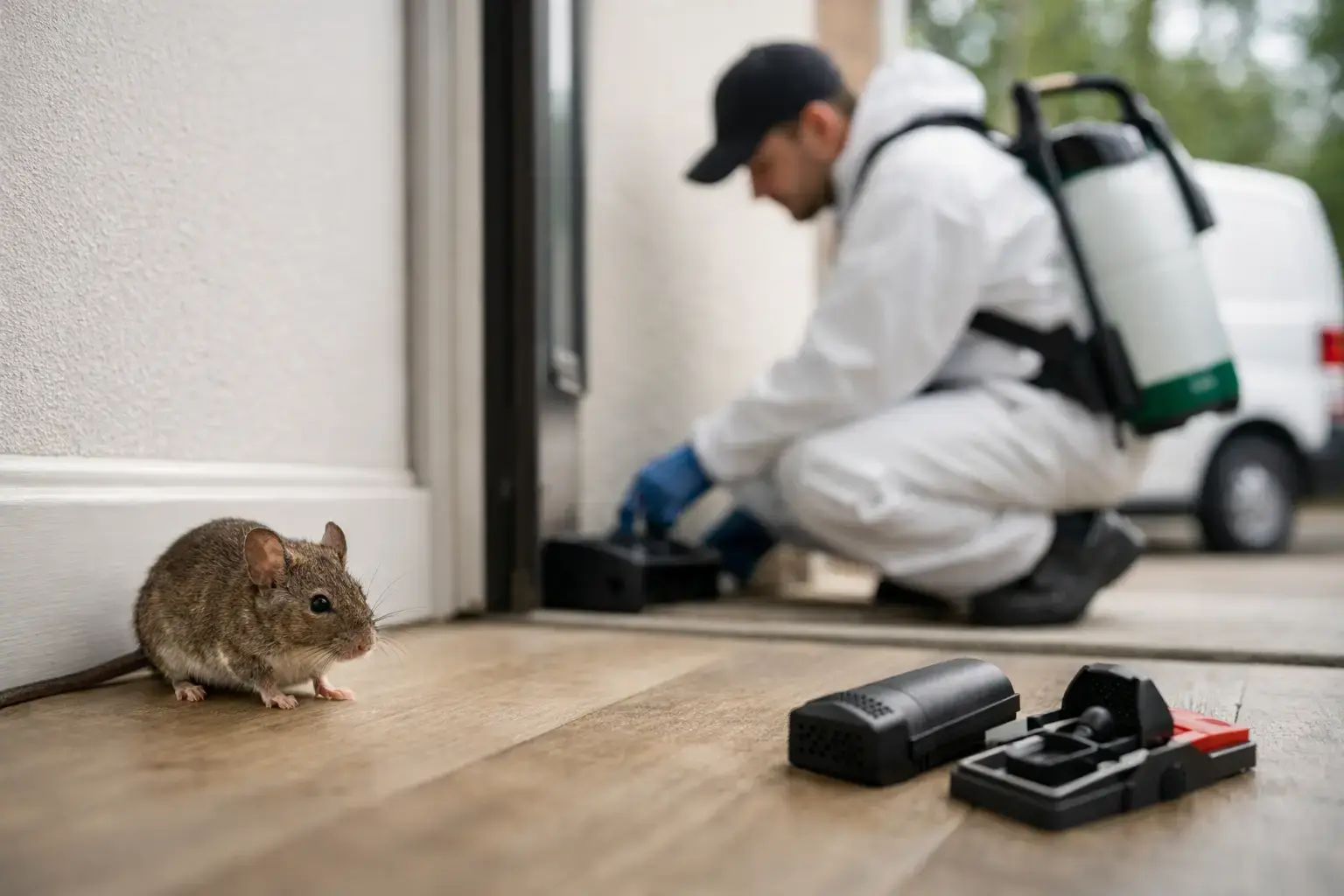
You usually know mice are active before you actually see one. A few droppings under the sink, scratching behind the wall at night, gnawed food packaging in a cupboard - that is often how it starts. The best way to stop mice is not one single trick. It is a proper combination of proofing, removing what attracts them, and using the right treatment to bring activity to an end quickly.
That matters because mice are rarely a minor nuisance. They contaminate food, damage insulation, chew cables and breed far faster than most people expect. In homes, that creates stress and hygiene concerns. In commercial settings, it can quickly become a compliance issue as well as a reputational risk.
What is the best way to stop mice?
If you want the direct answer, the best way to stop mice is to deal with the problem in three parts. First, identify where they are getting in. Second, remove easy access to food, water and shelter. Third, use professional-grade treatment that matches the level of activity and the layout of the property.
Many people focus only on traps or bait. That can reduce numbers for a short time, but it often fails if the entry points remain open. A mouse can squeeze through a gap of around 6mm. In practical terms, that means damaged air bricks, gaps around pipework, poorly fitted doors, broken vents and holes behind kitchen units can all become access points.
If those routes are still there, new mice will replace the ones you have removed.
Why mice keep coming back
Recurring mouse problems are usually a sign that the original cause was never fully resolved. Treatment may have been carried out, but not proofing. Or the visible activity may have been reduced, while hidden harbourage remained in loft voids, cavity walls, garages or commercial storage areas.
Mice do not need much to settle in. Warmth, nesting material and a reliable food source are enough. Pet food left down overnight, bird seed in sheds, overflowing bins, cluttered cupboards and gaps around white goods can all help sustain activity.
There is also a seasonal pattern. As temperatures drop, mice start looking for warmer internal spaces. That is why many infestations become more obvious in autumn and winter, although they can remain active all year.
The best way to stop mice permanently starts with proofing
Proofing is what turns a short-term fix into a lasting result. Without it, you are treating symptoms rather than the actual cause.
A proper inspection should focus on the whole structure, not just the room where droppings were found. External walls, drain exits, utility entry points, roof junctions, garage doors and subfloor gaps all need attention. Inside, kitchens, lofts, understairs cupboards and service voids often tell the real story.
The correct repair depends on the location. A small gap around pipework may need sealing with suitable rodent-resistant materials. Damaged vents may need mesh protection. Door gaps may need brush strips or threshold adjustments. Rushed DIY filling with expanding foam alone is rarely enough, because mice can chew through weak materials with ease.
This is one reason difficult infestations continue. The wrong material is used, the wrong gap is targeted, or only the obvious entry point is sealed while the main route remains open.
Hygiene matters, but hygiene alone will not solve it
People are often told that better cleaning will stop mice. Good hygiene does help, but it is only part of the picture.
If mice are already inside, they will continue to move through the building even in a generally clean property. In domestic settings, sensible steps include storing dry food in sealed containers, cleaning behind appliances, avoiding overnight food waste and keeping pet food secure. In commercial premises, stock rotation, waste handling, cleaner store management and regular inspections all play an important role.
That said, a spotless property can still have a mouse problem if access points remain open. This is where blunt advice is helpful. Cleanliness reduces attraction. It does not replace treatment or proofing.
Traps, bait and monitoring - what actually works?
The right treatment depends on the severity of the infestation, the type of property and who uses the space.
For light activity in a domestic setting, a targeted trapping programme may be effective, especially where the movement routes are clear. Snap traps can work well when correctly positioned along run lines, behind appliances and close to nesting areas. Poor placement, however, leads to poor results. Putting traps in the middle of open floors is one of the most common mistakes.
Baiting can also be effective, but it needs to be used responsibly and professionally. In the wrong hands, bait is often placed badly, used in the wrong quantity or left without follow-up. In homes with children or pets, treatment choice needs even more care. In commercial settings, especially food-related environments, monitoring systems and controlled treatment plans are essential.
Professional pest control often uses a combination of inspection, targeted treatment and ongoing monitoring rather than relying on one method alone. That is usually the difference between a quick reduction and a complete resolution.
Signs you need more than a DIY approach
There are cases where DIY action is reasonable, particularly if activity has only just started and the access point is obvious. But many infestations are more established than they first appear.
If you are hearing regular scratching in walls or ceilings, finding fresh droppings daily, seeing daytime activity or dealing with repeated problems after previous treatment, the issue is likely beyond a basic shop-bought solution. The same applies if the property is tenanted, commercial, or part of a larger building where mice can move between units.
For landlords and business operators, speed matters. Delays increase the chance of property damage, complaints and hygiene failures. A professional survey will normally identify not just where mice are active, but why the problem has developed and what needs to change to stop it returning.
What homeowners and businesses often get wrong
The first mistake is underestimating the scale of the problem. One mouse seen in a kitchen is rarely just one mouse. The second is relying on a single trap and assuming silence means success. Activity can shift to lofts, wall voids or behind fitted units.
The third mistake is focusing only indoors. External proofing is often where the real solution starts. Drains, outbuildings, bin storage areas and damaged brickwork can all provide routes in.
Another common issue is leaving too much time between visits or checks. Mice breed quickly, so any treatment plan needs proper follow-through. If bait has been taken or traps have been triggered, the response has to be reviewed and adjusted. That is how infestations are properly closed down.
A professional approach delivers faster, safer results
When mice are active in a property, confidence comes from knowing the issue is being handled properly. That means a clear inspection, accurate identification of entry points, a treatment plan suited to the site, and proofing recommendations that deal with the source.
For homes, that reduces stress and prevents further damage. For landlords, it helps protect the property and maintain tenant satisfaction. For commercial premises, it supports hygiene standards, audit readiness and day-to-day continuity.
A specialist service is particularly valuable where previous attempts have failed, where access is difficult, or where discretion matters. In areas such as Stockport and the wider surrounding region, many properties have structural quirks, older building features and hidden voids that make mouse control less straightforward than it first appears. Experience on site makes a real difference.
How to stop mice before they become established
Prevention is always easier than dealing with a full infestation. Regular checks around pipe entry points, air bricks, garage doors and external walls can reveal vulnerabilities before mice exploit them. Indoors, attention to storage, waste management and hidden food debris helps reduce attraction.
For businesses, routine pest monitoring and prevention plans are often the most cost-effective route. For households, a quick response at the first sign of droppings or gnawing is usually what prevents a manageable issue from becoming a much larger one.
The best results come from acting early, using the right methods and refusing to rely on guesswork. If mice are already active, the real answer is not just how to remove the ones you can hear now, but how to stop the next ones getting in at all.