

Blog
Best Pest Proofing Entry Points to Check
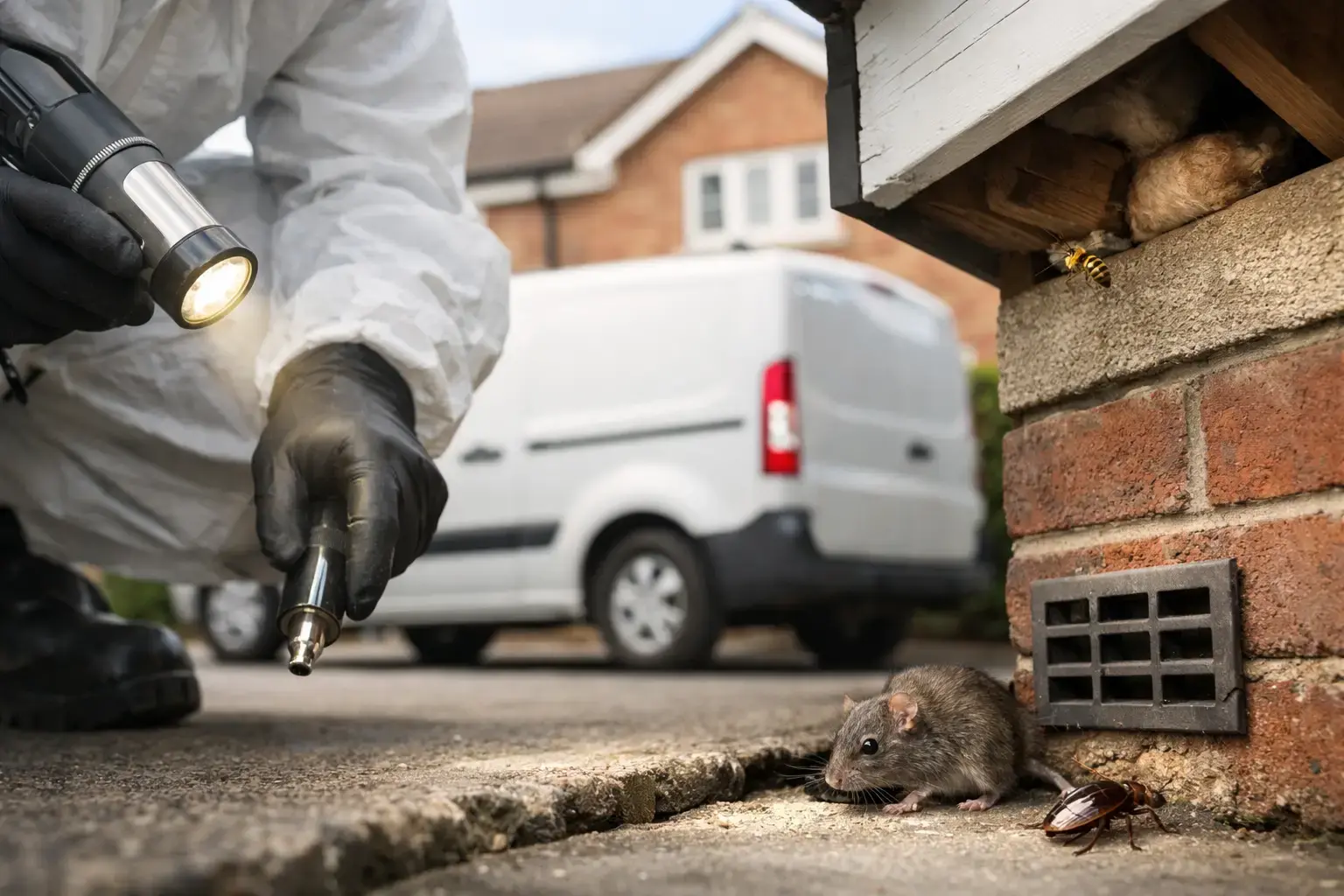
A rat does not need a gaping hole to get indoors. A mouse can work through a gap the width of a pencil, insects will exploit cracked seals and birds will return to the same ledge if nothing changes. That is why the best pest proofing entry points are not always the obvious ones. The weak spots are usually small, overlooked and close to everyday services like pipes, doors, vents and rooflines.
For homeowners, landlords and commercial operators, proper proofing is often the difference between a one-off issue and a repeat callout. Treatment removes the current problem. Proofing helps stop the next one. The challenge is knowing where pests are most likely to gain access and which gaps actually matter.
Why the best pest proofing entry points matter
Most pest activity starts at the edge of a building. Rodents follow walls, pipe runs and fence lines until they find a break in the structure. Crawling insects look for warmth, moisture and dark harbourage. Flying insects and birds are drawn to roof voids, soffits and damaged external fabric. If those routes stay open, pest pressure remains high even after treatment.
This is where many property owners lose time and money. They focus on what they can see indoors, such as droppings under a sink or flies near a window, but the true cause often sits outside. A small defect around a drainpipe, a broken air brick cover or a warped rear door can keep the problem going.
Good proofing also protects standards. In a home, it reduces stress and damage. In a business, it supports hygiene, reputation and compliance. It is especially important in food sites, managed properties, warehouses and older buildings where wear and tear creates more access points.
The best pest proofing entry points around most buildings
Pipe penetrations and service entry holes
Where cables, pipes and conduits pass through an external wall, there is often a gap left around the edge. These are some of the most common rodent access points. Kitchens, utility rooms, boiler cupboards and rear service areas are typical trouble spots.
The size of the gap matters, but so does the material around it. Expanding foam on its own is rarely enough for rodents because it can be chewed through. A proper repair usually needs a more durable finish suited to the opening and the surface. The right method depends on whether the issue is mice, rats or insects, and whether the wall is brick, cladding or render.
Door thresholds and gaps under doors
A badly fitting external door is an open invitation, particularly at ground level. Rear doors, bin store doors, roller shutters and side access doors often show wear first. You may not notice the issue until light is visible underneath or a draught starts coming through.
Rodents can exploit these gaps quickly, especially in commercial settings where doors are opened often. Insects also benefit from poor seals. Brush strips and rubber threshold seals can help, but they need to be fitted properly and checked over time. A damaged door frame can make a decent seal impossible, so sometimes the joinery problem needs fixing before pest proofing can work.
Air bricks, vents and extractor outlets
Airflow is necessary, but unprotected vents can become an entry route for mice, wasps and other insects. Low-level air bricks are a frequent access point in older properties. Soffit vents and extractor fan outlets can also be exploited if mesh is missing or damaged.
This is one of those areas where proofing must be balanced carefully. Blocking a vent outright can create damp and condensation issues. The better approach is to use suitable covers or mesh that maintain ventilation while reducing pest access. The detail matters here. If the mesh aperture is too wide, it will not stop smaller pests. If it is too restrictive, it may affect airflow.
Rooflines, soffits and fascia gaps
At roof level, small defects can lead to bigger internal problems. Birds look for sheltered nesting points under eaves and broken soffits. Wasps favour voids and cavities with reliable access. Rodents, particularly squirrels in some cases, can exploit lifted edges and weak sections around the roofline.
These faults are easy to miss from the ground. Dislodged tiles, cracked soffits and gaps at fascia joins may not stand out until pest activity becomes obvious. In larger premises or buildings with awkward access, a proper high-level inspection is often the only reliable way to identify all the vulnerable areas.
Drainage points and broken covers
Drains are a major route for rat activity, especially where covers are damaged, seals have failed or connecting points have deteriorated. External inspection chambers, gully surrounds and waste outlet points should never be ignored.
If rats are moving through the drainage system, surface proofing alone may not solve the issue. It depends where the defect sits and how the drainage network is laid out. In some properties, the problem is structural rather than cosmetic. A survey can show whether the point of entry is external, below ground or inside the building envelope.
Windows, frames and weep vents
Ground-floor windows and older frames can develop enough movement to leave usable entry gaps for insects and, in some cases, mice. Weep vents are designed to let moisture escape from window assemblies, but they can sometimes allow pest access if they are damaged or lack suitable protection.
Not every window defect is a pest issue, but recurring insect activity near one elevation can be a clue. If flies, cluster insects or ladybirds repeatedly gather around the same side of a building, the frame condition is worth checking.
Internal entry points still matter
External proofing should come first, but internal routes can help pests spread once they are in. Boxing around pipework, gaps behind kitchen units, suspended ceilings, risers, plant rooms and service voids all allow movement through a property.
In flats, HMOs and commercial premises, these routes are particularly important because pests may travel between units. Sealing one room while leaving adjoining service gaps open rarely solves the wider issue. The job needs to be approached as a full building problem, not just a single room problem.
Best pest proofing entry points for different pests
Mice usually exploit low-level wall gaps, door thresholds, utility entries and cluttered service voids. Rats are more often linked to drainage defects, larger structural gaps and damaged doors. Cockroaches and stored product insects take advantage of service penetrations, cracked seals and hidden harbourage near heat and food sources. Wasps and birds focus on roof-level access, vents and sheltered exterior voids.
That is why proofing should never be a one-size-fits-all exercise. The same gap may matter greatly for one pest and far less for another. Effective proofing starts with identifying the pest properly, then tracing how it is getting in, not guessing based on the first hole you spot.
Where DIY proofing goes wrong
The biggest mistake is sealing without investigating. If rodents are active indoors and the main route remains open, blocking random gaps inside can force movement elsewhere in the building. That can make the activity harder to track and sometimes worse for the occupier.
The second mistake is using the wrong material. Soft fillers, poorly fixed mesh and temporary patch repairs rarely stand up to rodent pressure or weather exposure. There is also the issue of access. High-level defects, roof edges and awkward service voids are difficult to inspect safely without the right equipment and experience.
For commercial premises, there is an added operational risk. A badly chosen proofing measure can interfere with ventilation, fire stopping, drainage access or cleaning routines. The fix has to work for the building as well as the pest problem.
A practical way to inspect your property
Start outside and work methodically at ground level before looking higher. Check pipe entry points, door bottoms, corners of extensions, air bricks, bins stores, drain covers and any area where different materials join. Then inspect rooflines, soffits, vents and external cladding. Inside, pay attention to service cupboards, under-sink areas, behind appliances and loft spaces.
Look for more than holes. Grease marks, rub lines, gnawing, insect casings, nesting material and repeated droppings all help narrow down the route. If activity appears in the same area despite cleaning or treatment, there is usually a missed access point nearby.
Older buildings in places such as Stockport often need a more careful eye because small structural shifts and past repair work can leave a patchwork of hidden entry routes. Newer properties are not immune either. Service penetrations and poorly finished utility entries can create problems from day one.
When professional pest proofing is the better option
If pest activity keeps returning, if access points are high or hard to reach, or if the building is shared or commercial, professional proofing is usually the faster and more reliable route. The value is not just in sealing a hole. It is in identifying the actual route, using suitable materials and making sure the repair supports long-term prevention.
That is especially relevant where treatment and proofing need to work together. Closing an entry point at the wrong stage can affect control measures already in place. Done properly, proofing forms part of a complete pest management plan rather than an isolated repair.
The best results come from treating proofing as part of building maintenance, not an afterthought. If you know where pests are most likely to enter and deal with those points early, you stand a far better chance of avoiding the disruption, damage and repeat costs that come with an established infestation. A careful inspection now is often far easier than dealing with what gets through later.