

Blog
Bell IQ Monitoring System Explained
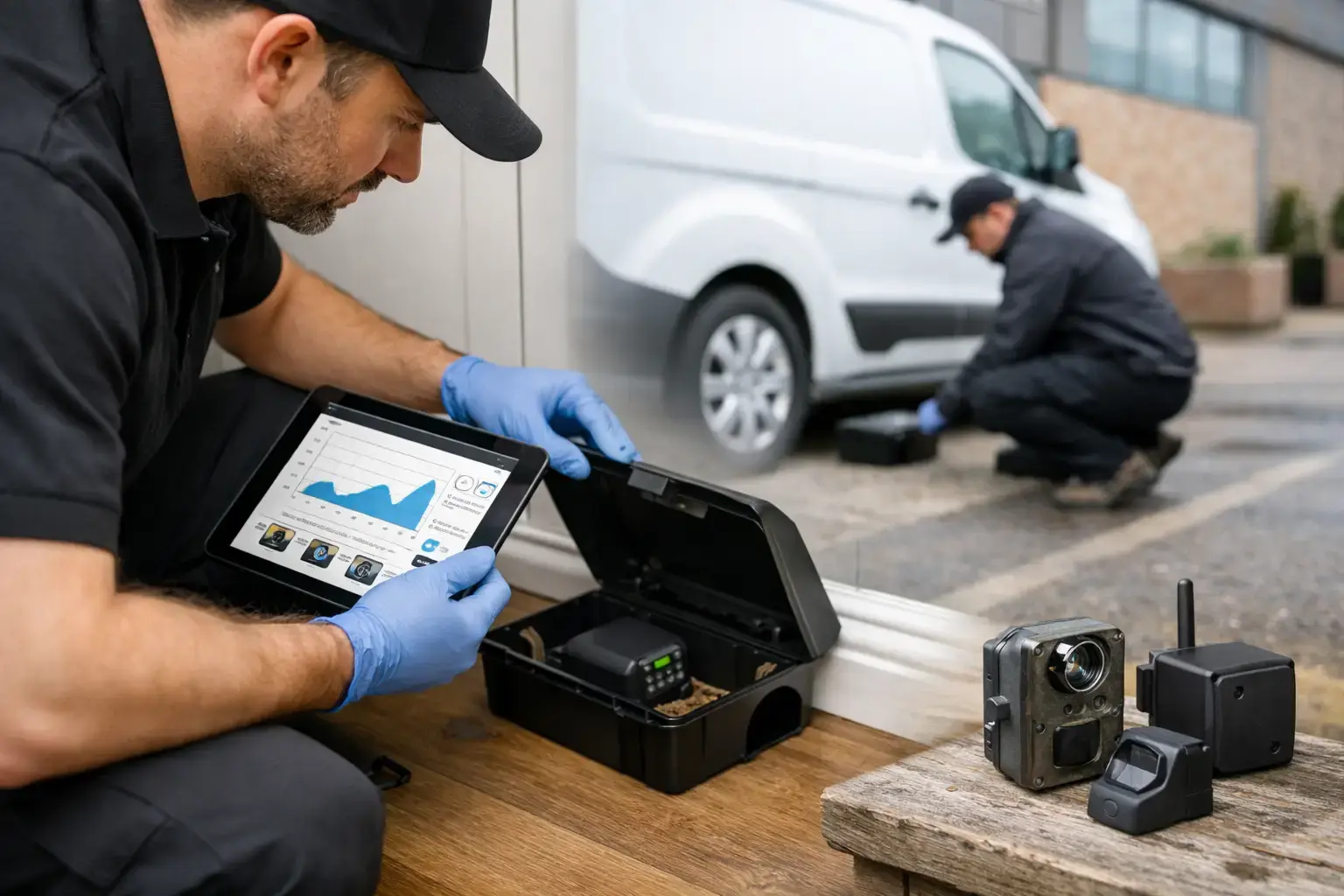
If you are responsible for a property, waiting until you actually see a rat or mouse is already too late. The bell iq monitoring system is designed to spot activity earlier, giving pest professionals better information before a minor issue becomes an expensive infestation.
For homeowners, landlords and businesses, that early warning matters. It can mean less damage, lower treatment costs and far less disruption. It also gives you something many older pest control methods cannot - clear, trackable data about what is happening on site.
What is a bell iq monitoring system?
A bell iq monitoring system is a digital pest monitoring setup used to detect rodent activity in and around buildings. Instead of relying only on routine visual checks, it uses connected monitoring devices to record activity and alert your pest controller when something changes.
That changes the way pest management works. Traditional inspections still have a place, but they depend heavily on timing. If there is no fresh evidence on the day of the visit, activity can be missed. With a monitored system in place, the site is being watched between visits as well, which improves the chances of catching problems early.
In practical terms, this means a pest technician can see where activity is taking place, how often it is happening and whether a treatment plan is working. It is not guesswork. It is evidence-led pest control.
Why the bell iq monitoring system matters
Rodent problems rarely stay small for long. A single point of entry in a loft, void, plant room or bin store can lead to repeated activity if it is not found and dealt with properly. The real value of a bell iq monitoring system is that it helps narrow down where to act and when to act.
For commercial sites, this has an obvious compliance benefit. If you operate in food handling, hospitality, warehousing, care, education or property management, you need more than a reactive approach. You need records, accountability and confidence that your pest control programme is doing what it should.
For domestic properties, the value is slightly different but just as important. If rodents are entering through hidden defects under kitchens, behind units, in cavity walls or roof spaces, monitoring can help confirm the pattern of activity. That makes treatment and proofing work more precise.
How a bell iq monitoring system works in practice
The system uses monitoring points placed in suitable locations around a property. These are usually selected based on survey findings, known risk areas and likely rodent runs. When activity is detected, the system records it and provides that information to the pest management provider.
That sounds simple, and it is. The important part is what happens next. Good pest control is not about fitting technology and walking away. The data has to be interpreted properly, then used to guide treatment, proofing and prevention.
If one area shows repeated hits while another stays quiet, the focus should shift accordingly. If activity drops after proofing work, that supports the view that the access point has been dealt with. If it continues, further investigation is needed. This is where an experienced pest controller makes the difference, because the system provides information, but the solution still depends on correct judgement in the field.
Bell IQ monitoring system for commercial premises
Commercial customers tend to see the strongest return from this kind of technology. Larger sites have more hiding places, more access points and more operational pressure. It is not always realistic to rely on manual checks alone, particularly where pest issues could affect audits, staff confidence or customer trust.
A bell iq monitoring system can support a more accountable pest management programme by improving response times and strengthening reporting. Instead of waiting for the next scheduled inspection to discover activity, a technician can prioritise the areas that need attention.
That does not remove the need for site visits, hygiene advice or proofing work. It makes those actions more targeted. In many commercial settings, that is the real benefit - less wasted time, better documentation and faster decisions.
There is also a reputational angle. Businesses often want pest control handled discreetly and professionally, with as little interruption as possible. Better monitoring supports that by helping contractors focus on the problem areas rather than carrying out broad, disruptive measures across the whole site.
Bell IQ monitoring system for homes and rental properties
Domestic customers do not always need digital monitoring, but there are situations where it is extremely useful. If you have recurring rodent issues, unclear sounds in loft spaces, signs of activity that appear and disappear, or a history of failed treatments, better monitoring can provide answers.
For landlords and managing agents, it can also help where access is limited or responsibility needs to be clearly evidenced. If tenants report noises at night but no obvious signs are found during a daytime visit, a monitored approach can help confirm whether there is genuine rodent activity and where it is centred.
That said, it depends on the property and the problem. In some homes, a thorough survey, proofing work and direct treatment are enough. In others, especially larger buildings or properties with repeated ingress issues, monitoring adds useful clarity.
The advantages over standard pest checks
The biggest advantage is speed. The sooner activity is identified, the sooner it can be dealt with. That reduces the risk of breeding, contamination and damage to insulation, wiring or stored goods.
The second advantage is accuracy. Pest control works best when it is based on real evidence, not assumptions. A bell iq monitoring system helps show where the pressure points are, which means treatment plans can be adjusted with more confidence.
The third advantage is reporting. For commercial clients in particular, records matter. Being able to show monitored activity, response actions and outcomes creates a clearer audit trail than relying only on handwritten site notes.
There is a trade-off, though. Technology should never be treated as a replacement for competent pest control. Monitoring supports a programme, but it does not seal a gap under cladding, identify a drainage defect or remove a wasp nest. It is one tool within a wider solution.
Where digital monitoring fits into a full pest control plan
The best results come when monitoring is combined with proper survey work, targeted treatment and proofing. If a property has easy access points, overflowing waste areas or poor housekeeping, no monitoring system will solve that on its own.
This is why a professional approach always starts with understanding the site. Entry points, harbourage, food sources and structural defects all need to be considered. Monitoring then helps track what is happening before and after corrective action.
In straightforward terms, digital monitoring helps answer three important questions. Is there activity? Where is it happening? Is the problem improving? Those answers allow a pest controller to work more efficiently and give the client clearer advice.
Is a bell iq monitoring system right for every site?
Not always. Some pest issues are obvious and can be resolved quickly through conventional treatment and proofing. In those cases, adding digital monitoring may not be necessary.
Where it tends to make the most sense is on higher-risk commercial premises, larger managed buildings, sites with repeated rodent pressure or properties where previous attempts have not fully resolved the issue. It is also useful where clients want stronger documentation and ongoing oversight rather than relying only on periodic inspections.
For a local specialist working across Stockport and surrounding areas, using systems like this is part of delivering a more modern, evidence-based service. It suits clients who want more than a basic visit and a bait box. They want to know what is happening, what is being done about it and whether the plan is working.
What to expect from a professional provider
If a bell iq monitoring system is recommended, it should be because it suits the property, not because it sounds impressive. A good provider will explain why it is being used, where devices should be placed and how the findings will shape the treatment plan.
You should also expect practical advice alongside the technology. That includes proofing recommendations, housekeeping guidance where relevant and honest feedback about the limits of monitoring alone. The system is there to improve decision-making, not to mask poor pest control practice.
For customers, the real benefit is peace of mind backed by evidence. Whether you manage a commercial site or need help with a difficult domestic issue, earlier detection and better reporting make it easier to stay ahead of the problem rather than chasing it after the damage is done.
If you are dealing with recurring rodent concerns or need a more accountable pest control approach, the right monitoring system can give you a clearer picture - and clearer answers usually lead to faster results.