

Blog
Bed Bug Treatment Stockport: What Works
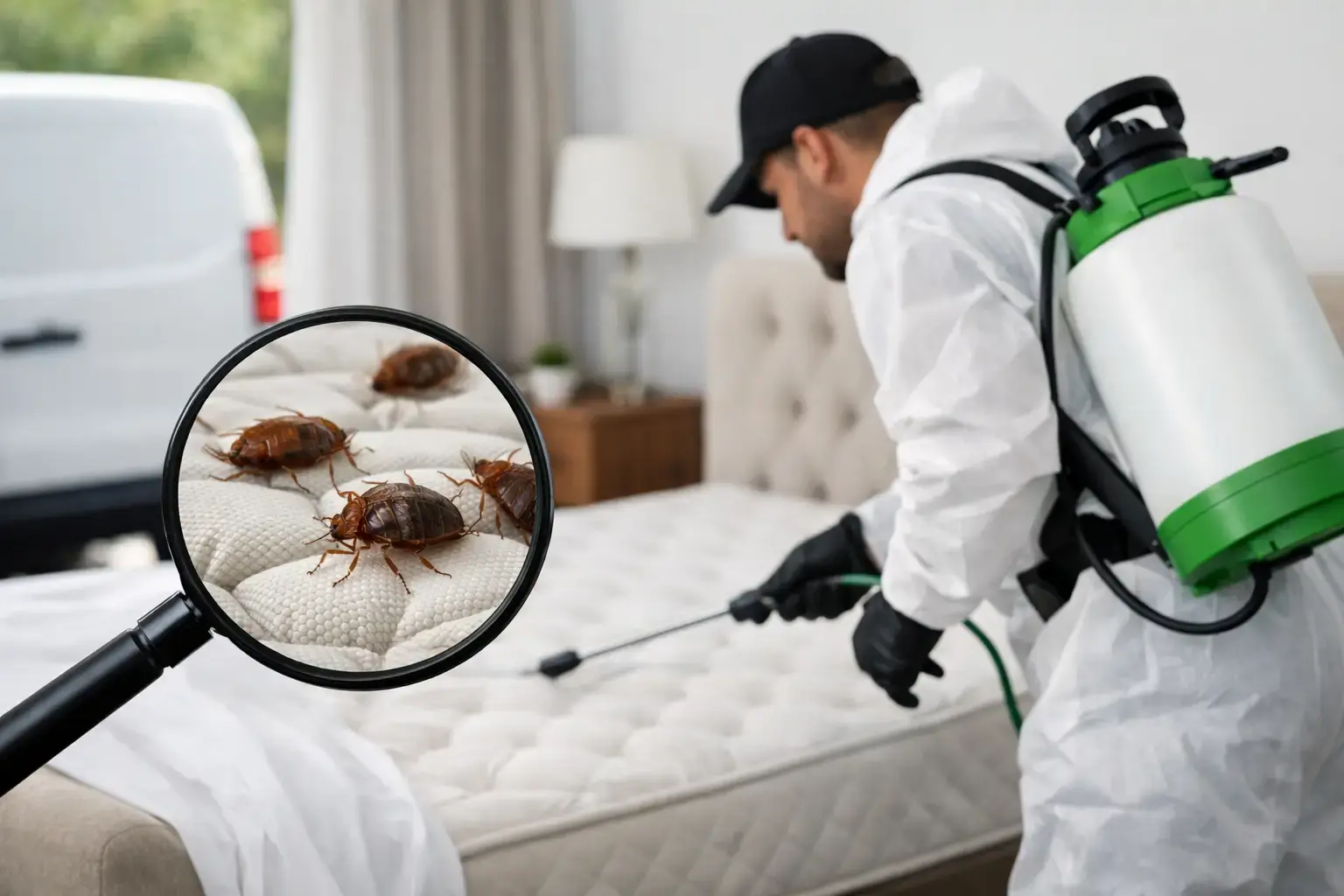
Waking up with bites is bad enough. Finding dark spotting on the mattress, shed skins around the bed frame or live insects in the seams turns suspicion into a real problem. If you need bed bug treatment Stockport property owners can rely on, speed matters - but so does getting the treatment right first time.
Bed bugs are one of the most disruptive pests to deal with in a home, rental property or accommodation setting. They are not a sign of poor hygiene, and that is often the first thing people get wrong. These insects travel in luggage, clothing, second-hand furniture and soft furnishings, then settle close to where people sleep. Once established, they spread quietly from room to room and can be very difficult to remove without a proper inspection and a tailored treatment plan.
Why bed bug treatment in Stockport needs a proper approach
The biggest mistake with bed bugs is assuming an aerosol from the supermarket will solve the problem. In light cases, DIY products may appear to reduce activity for a short time, but they rarely deal with the full infestation. Bed bugs hide in places most people miss - behind headboards, inside divan bases, beneath carpet edges, in bedside furniture, behind sockets and within cracks in the frame itself.
A rushed or partial treatment often makes things worse. Bed bugs may scatter into adjoining rooms, remain dormant in hidden harbourages or survive as eggs that hatch later. That is why professional bed bug treatment in Stockport should never be just a quick spray around the mattress. It needs to start with accurate identification, a clear assessment of spread and the right combination of treatment methods.
In family homes, there is also the issue of confidence. People want to know the infestation is being handled discreetly and safely. In rental properties and commercial premises, there is added pressure around complaints, reputational risk and preventing re-infestation. A no-nonsense service matters because delays cost more than treatment.
How bed bugs behave and why they are hard to eliminate
Bed bugs feed on blood, usually at night, and stay close to sleeping or resting areas. They are flat, small and highly effective at hiding. A room can have an active infestation long before the insects are seen in daylight. For some people, bites appear in clusters or lines. Others show little or no skin reaction at all. That makes visual inspection far more reliable than trying to judge the problem from bites alone.
Eggs are another reason treatment can fail if it is not carried out thoroughly. Even where adult activity drops quickly, eggs may remain in protected cracks and hatch afterwards. This is why follow-up visits are often part of an effective programme rather than a sign that the first treatment failed. Bed bug control is about breaking the lifecycle completely.
There is also a practical point that matters in real homes. Not every infestation is confined to the bed. Sofas, upholstered chairs and adjacent rooms may also be affected, especially if people have started sleeping elsewhere to avoid bites. That change in behaviour can spread the infestation rather than contain it.
Signs you should not ignore
Bed bugs leave clues, but they are easy to dismiss in the early stages. Small blood smears on bedding, dark faecal spotting on mattress seams, cast skins and tiny pale eggs are all common indicators. A sweet, unpleasant odour may be noticeable in heavier infestations, though not always.
If the property has had visitors staying over, recent travel, incoming furniture or repeated unexplained bites, it is worth arranging a professional inspection. The longer the infestation is left, the greater the chance it will spread into more rooms or neighbouring units.
For landlords and property managers, hesitation creates avoidable problems. Complaints can escalate quickly, especially in HMOs, serviced accommodation and rented homes where tenants are already distressed. Early intervention is usually the least disruptive option.
What professional bed bug treatment Stockport customers should expect
A proper service should begin with inspection, not guesswork. The goal is to confirm activity, identify the extent of the infestation and build a treatment plan around the property layout and level of spread. That may involve checking bedrooms, lounges, soft furnishings and surrounding areas where bed bugs can harbour.
Preparation is a key part of success. Occupants are usually asked to reduce clutter, bag and handle clothing or bedding correctly, and make certain areas accessible for treatment. This stage is important because even the best technician cannot treat hidden harbourages that cannot be reached. Clear preparation guidance helps avoid wasted visits and improves results.
Treatment itself depends on the circumstances. In some cases, targeted insecticidal applications are appropriate. In others, a broader integrated approach is needed, combining physical measures, residual products, monitoring and repeat attendance. What matters is not using the most aggressive method for the sake of it, but using the right one for the infestation.
A credible provider will also be realistic. Severe infestations, multi-room spread, heavily cluttered properties and repeat introductions from travel or furniture all affect the treatment plan. Good pest control is not about vague promises. It is about technical assessment, practical execution and clear aftercare.
Domestic bed bug problems are rarely just about the insects
For homeowners, bed bugs quickly become stressful. Sleep is affected, rooms feel unusable and people often start cleaning or moving items constantly in an effort to regain control. Unfortunately, panic tends to scatter evidence and sometimes spreads the infestation.
A calm, structured response works better. Once bed bugs are identified, the focus should be on containment and treatment rather than constant room switching, excessive use of shop-bought chemicals or throwing away furniture too early. Disposal is sometimes necessary, but often only after inspection confirms the item cannot be treated effectively.
Discretion matters too. Many customers want a service that protects their privacy, especially in residential streets or shared buildings. That is one reason local specialists with a discreet operating model are often the right fit for this kind of work.
Bed bug control for landlords and commercial premises
Commercial and managed properties have a different set of risks. In hospitality, care environments, supported housing and short-stay accommodation, a bed bug issue can affect reviews, occupancy and trust. In rented homes, delayed action can damage tenant relationships and increase treatment complexity.
The right response is prompt inspection, documented findings and a treatment plan that reflects the needs of the site. Some environments need careful scheduling to reduce disruption. Others need evidence of professional attendance and practical advice on prevention. Either way, a casual approach is rarely enough.
This is where experience counts. A specialist pest control company understands that treatment is only part of the job. Communication, discretion, compliance and follow-up all matter when people are relying on the outcome.
Prevention after treatment
No treatment is complete without reducing the chance of the problem returning. That does not mean living cautiously forever, but it does mean changing a few habits where the risk is obvious. Checking luggage after travel, being careful with second-hand beds or upholstered furniture, and responding quickly to fresh signs can make a real difference.
In flats, shared accommodation or high-turnover properties, prevention may also involve monitoring and prompt reporting. The earlier bed bugs are identified, the easier they are to contain. Waiting for the issue to become visible usually means the infestation is already established.
Professional advice here should be practical, not overcomplicated. Customers need to know what to look for, how to avoid reintroducing pests and when to call for another inspection. That is part of a complete service, not an extra.
Choosing a bed bug specialist
When selecting a provider, look for technical knowledge, clear communication and a treatment plan that is tailored to the property rather than copied from a script. You also want reassurance around discretion, safety and the ability to deal with difficult infestations properly.
It helps to choose a local specialist that understands the realities of treating occupied homes, rental properties and businesses across the Stockport area. A family-run company with recognised qualifications and practical field experience will usually offer more accountability than a generic one-size-fits-all service. Where a business also works across domestic and commercial sites, that breadth of experience can be useful, particularly when infestations are widespread or operational pressures are high.
AZ Environmental Service Pest Control is known locally for solving pest problems where other companies fail, with discreet service, qualified technicians and a strong focus on getting lasting results rather than short-term relief.
If you suspect bed bugs, the best move is not to wait for certainty or hope the problem burns out on its own. A professional inspection gives you a clear answer, a proper plan and the confidence that the infestation is being dealt with in a way that actually works.