

Blog
A Bed Bug Treatment Review for UK Properties
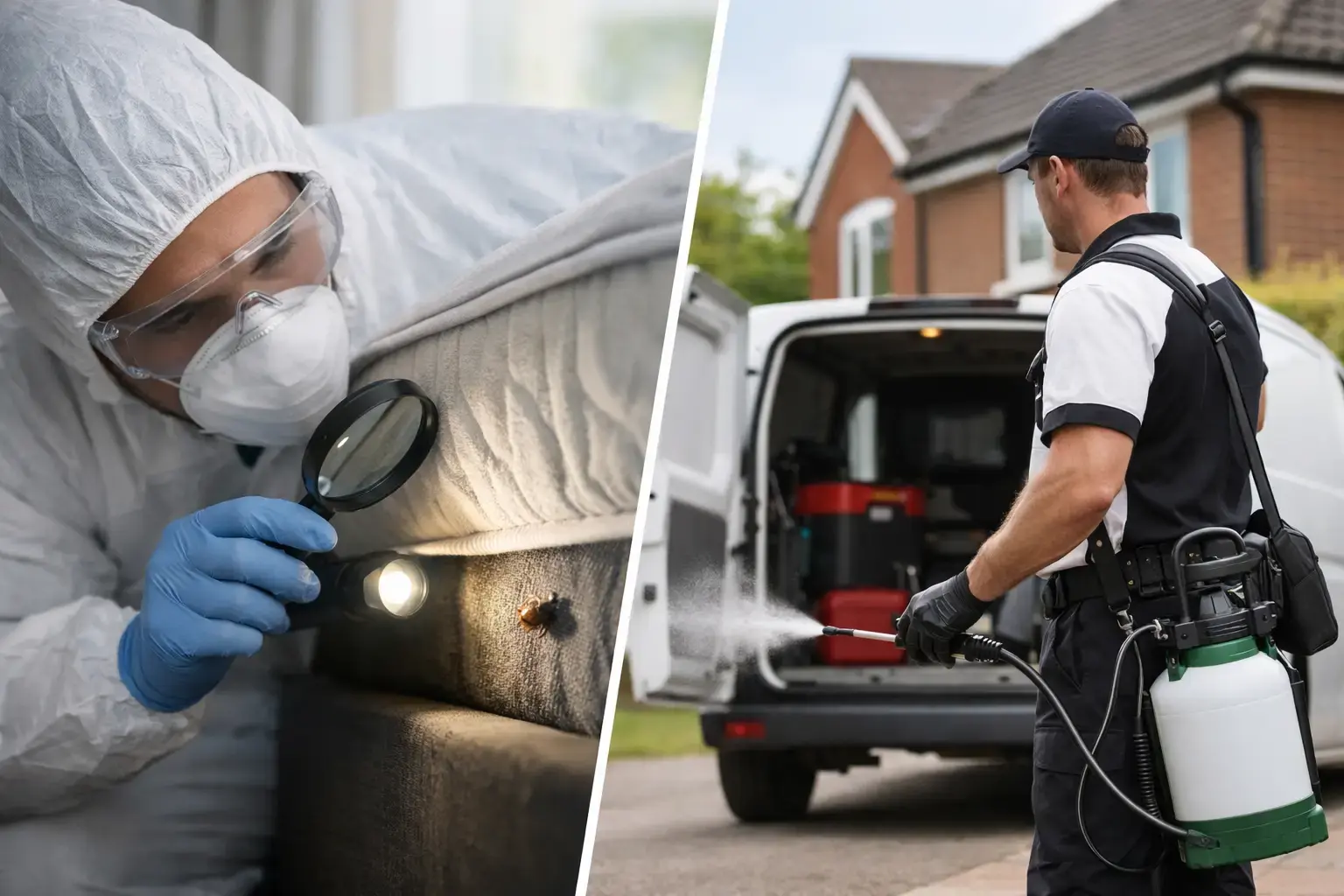
A bed bug infestation can begin with a few unexplained bites and quickly become a problem affecting bedrooms, furnishings, guest confidence and sleep. A useful bed bug treatment review should not promise a quick spray and a simple fix. It should explain what has been found, why the chosen method suits the property, and how the infestation will be stopped from returning.
For homeowners, landlords and businesses, the right treatment depends on the scale of activity, the type of property, how widely bed bugs have travelled and whether previous attempts have allowed the problem to persist. The best result comes from a professional inspection followed by a controlled treatment programme, not guesswork.
Bed Bug Treatment Review: The Methods That Work
There is no single treatment suitable for every bed bug infestation. Bed bugs hide in mattress seams, bed frames, skirting boards, bedside furniture, sofas, luggage, electrical fittings and cracks around the room. They can also move between adjoining rooms and, in some buildings, neighbouring flats. That is why treatment needs to address both visible activity and the places bed bugs are likely to be hiding.
Professional insecticide treatment
A professional insecticide programme remains an effective option for many domestic and commercial properties. It involves applying approved products precisely to identified harbourage areas rather than treating every surface indiscriminately. The aim is to target bed bugs as they move out to feed or return to their hiding places.
This method is often well suited to established infestations where a treatment can be carried out over scheduled visits. Follow-up work matters because eggs may survive the initial application and hatch afterwards. A competent provider will explain the revisit timetable, inspect for remaining activity and adjust the treatment if evidence shows bed bugs are still present.
The trade-off is that occupants must complete preparation properly and follow access guidance. Washing, heat-drying and bagging certain items may be required, while clutter around beds and furniture needs reducing so treatment can reach harbourage points. Cutting corners at this stage can reduce the effectiveness of an otherwise sound programme.
Heat treatment
Professional heat treatment raises the temperature within an affected area to a level lethal to bed bugs and their eggs. When planned and monitored correctly, it can provide rapid control because heat reaches life stages that some other approaches may not deal with immediately.
It can be particularly valuable in heavily affected rooms, accommodation settings and situations where a swift resolution is needed. However, it is not simply a matter of placing heaters in a room. Heat distribution must be measured throughout the space, sensitive items must be assessed, and furniture may need moving to prevent cold spots where bed bugs could survive.
Heat treatment is generally more intensive and may cost more than a conventional insecticide programme. It also does not remove the need for careful inspection. If bed bugs are present in other rooms, stored belongings or communal areas, treating one room alone may only provide temporary relief.
Integrated treatment programmes
For difficult, widespread or recurring infestations, an integrated programme is often the strongest option. This may combine detailed inspection, targeted insecticide application, heat where appropriate, physical removal of harbourage, monitoring and practical proofing advice.
This approach is designed around the building and the evidence found on site. A family home in Stockport with activity limited to one bedroom needs a different plan from a landlord managing several affected rooms, or a hotel trying to protect guest experience and operational continuity. The strength of an integrated programme is not that it uses more products. It is that each part of the work has a clear purpose.
What Separates Effective Treatment From a Poor Result
The treatment method matters, but the quality of the process matters just as much. Bed bugs are often misidentified, while bites alone are not proof of an infestation. Fleas, mosquitoes, skin conditions and other insects can cause similar marks. An inspection should look for physical evidence such as live insects, cast skins, eggs, dark spotting and harbourage around sleeping or resting areas.
A reliable provider should be clear about what has been found. If evidence is limited, they should explain the next sensible step rather than assuming every bite is caused by bed bugs. This protects customers from unnecessary treatment and ensures the correct pest problem is being addressed.
Preparation guidance is another clear test. Good instructions are specific and realistic. They should tell you what to do with bedding, clothes, soft furnishings, luggage and clutter, as well as what not to do. For example, moving untreated belongings from an affected room to another room can spread bed bugs. Using shop-bought foggers can also drive insects deeper into gaps and make professional control more difficult.
Discretion can be important too. For households, it protects privacy. For landlords, care homes, hotels and other commercial settings, it helps protect reputation while the issue is managed professionally. Unmarked vehicles and a calm, organised approach are practical service benefits, not cosmetic extras.
Questions to Ask During a Bed Bug Treatment Review
Before authorising treatment, ask whether the price includes inspection, treatment, return visits and monitoring. A low initial price can be misleading if it covers only one visit to an infestation that clearly requires a programme.
Ask how the provider will confirm success. Bed bugs can be difficult to see, so the answer should involve evidence-based follow-up rather than a vague assurance. The provider should also explain what happens if activity is found after treatment and whether additional work is included or chargeable.
It is sensible to ask about qualifications, product use and environmental responsibility. Professional pest control is not about applying the maximum amount of chemical. It is about using the right method, in the right location, at the right time, while protecting occupants, pets and the wider environment.
For rented properties and commercial premises, establish who is responsible for preparation, access and communication with occupants. Delays in gaining access to rooms or incomplete preparation can undermine the entire programme. Clear responsibilities prevent frustration and help treatment proceed without avoidable gaps.
Why DIY Bed Bug Treatments Often Fail
DIY products can sometimes kill individual bed bugs that come into direct contact with them. The problem is that an infestation is rarely limited to the insects you can see. Bed bugs are adept at hiding, and many over-the-counter products do not reach concealed areas or provide the residual control needed to deal with newly hatched insects.
Repeated spraying without a plan can create more disruption than progress. Furniture may be moved, rooms may be abandoned and insects may spread into adjoining areas. Home remedies, excessive cleaning and improvised chemical use also risk damaging furnishings or exposing occupants to products used incorrectly.
DIY action is most helpful when it supports professional treatment. Vacuuming carefully, bagging items as instructed, laundering bedding at the correct temperature and avoiding the movement of untreated belongings can all help. The key is to follow a plan based on the actual infestation rather than reacting to each new bite.
Choosing a Local Bed Bug Specialist
A local specialist should offer more than a booking slot. Look for a provider that carries out proper surveys, gives clear preparation advice, uses tailored treatment plans and schedules follow-up where the evidence requires it. Experience with both domestic and commercial premises is valuable because bed bug behaviour changes with the layout, occupancy and use of a building.
For customers across Stockport and the surrounding area, AZ Environmental Service Pest Control takes a practical, evidence-led approach to difficult pest problems. The focus should always be on finding the source, treating it thoroughly and reducing the conditions that allow it to continue.
If you suspect bed bugs, avoid moving bedding, furniture or luggage into unaffected rooms. Keep a note of where bites or signs have been noticed, retain any insect safely if possible, and arrange a professional inspection promptly. Early, well-managed action is usually less disruptive than waiting for a small problem to spread.