

Blog
Bed Bug Treatment Guide for Homes and Rentals
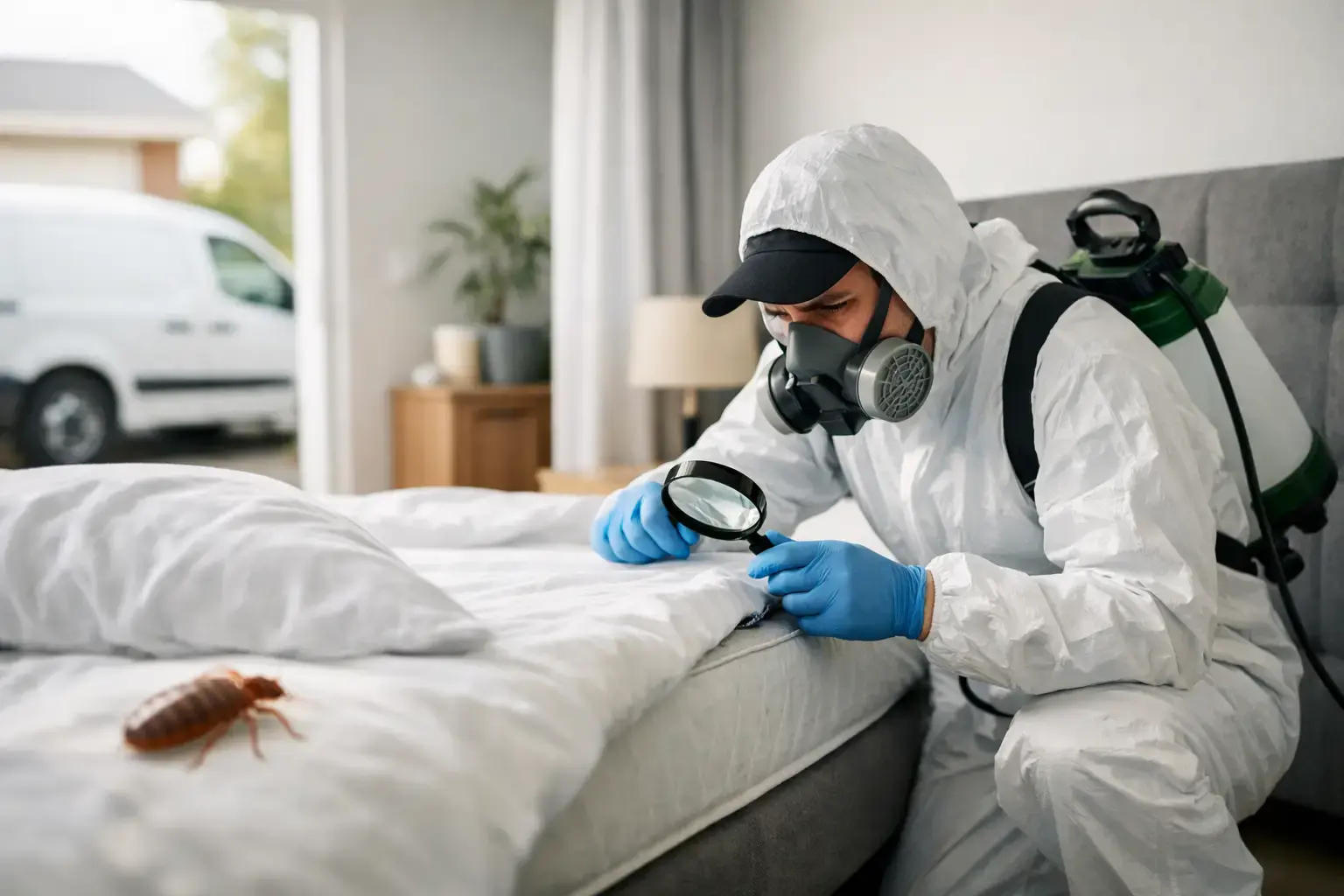
A bed bug problem rarely starts with a dramatic discovery. More often, it begins with unexplained bites, tiny dark marks around the bed or a concern that something was brought home after travelling. This bed bug treatment guide explains what to do next, why quick action matters and how a professional treatment plan stops an infestation from spreading through your property.
Bed bugs are not a sign of poor hygiene. They can be carried into clean homes, hotels, rented properties, care settings and workplaces in luggage, clothing, second-hand furniture or soft furnishings. What matters is acting on the evidence properly rather than relying on guesswork or products that only disturb the insects.
Identifying a Bed Bug Problem
Adult bed bugs are small, flat and reddish-brown, usually around the size of an apple seed. They hide during the day and feed mainly at night, which means occupants may experience bites before they ever see an insect.
Bites alone are not enough to confirm bed bugs. They can resemble reactions to fleas, mosquitoes, skin irritation or other causes. Look instead for a pattern of evidence around sleeping and resting areas. This may include small black spotting on mattress seams, bed frames, skirting boards or headboards, pale shed skins, tiny white eggs and live insects in crevices.
Check carefully around the bed rather than only looking at the mattress. Bed bugs can hide behind loose wallpaper, beneath bedside furniture, inside divan bases, along curtain hems, in sockets and in cracks around flooring. In more established infestations, they may move into sofas, chairs and adjoining rooms.
If you live in a flat or manage a multi-occupancy building, do not assume the issue is limited to one room. Bed bugs can move between neighbouring rooms and properties through service routes, gaps and shared structures. Early inspection is far less disruptive than waiting for activity to become widespread.
What Not to Do Before Treatment
The urge to strip the room, throw away the mattress or spray every surface is understandable. It can also make control harder. Bed bugs are excellent at finding alternative hiding places when they are disturbed.
Avoid moving bedding, furniture and belongings into other rooms unless instructed to do so. Carrying an infested item through the house can spread the problem to bedrooms, living areas and vehicles. Do not sleep in another room either, as this can encourage bed bugs to follow their food source.
Over-the-counter aerosols may kill insects that are directly hit, but they rarely reach hidden harbourages or eggs. Smoke bombs and foggers are particularly unreliable for bed bugs and can drive them deeper into walls, furniture and floor voids. They may also create unnecessary exposure risks if used incorrectly.
Discarding furniture is not automatically the answer. A professional inspection can establish whether an item can be treated. If disposal is necessary, it should be done responsibly and clearly marked or damaged so it cannot be taken away and spread the infestation elsewhere.
Bed Bug Treatment Guide: The Professional Process
Effective bed bug control is a programme, not a quick spray. The right method depends on the extent of activity, the layout of the property, the type of furniture present and whether there is a risk of spread to other rooms or neighbouring units.
1. Inspection and confirmation
A qualified technician starts by confirming the pest and identifying the main harbourages. This is where experience matters. Bed bug signs can be confused with those left by other insects, while a small amount of visible activity can conceal a much larger problem behind a headboard or within a divan base.
The survey should consider bedrooms, lounges where people sleep, guest rooms, nearby storage and potential transfer routes. For landlords and property managers, a clear assessment also helps establish sensible next steps without creating unnecessary disruption for tenants.
2. Preparation of the property
Preparation gives the treatment the best chance of success. You may be asked to bag clothing, bedding and washable fabrics from affected rooms, then wash them at the highest temperature the care label permits and dry thoroughly. Items should be placed into clean sealed bags after laundering so they are not re-exposed.
Vacuuming can help remove loose insects, skins and debris, particularly around bed frames and floor edges. Empty the vacuum outside the property immediately afterwards, seal the contents and dispose of them safely. Reducing clutter is also valuable because it removes hiding places and enables the technician to access treatment areas.
Preparation instructions should always be tailored to the property and treatment method. Follow them closely. Skipping key areas, leaving packed items against walls or returning belongings too early can undermine an otherwise effective visit.
3. Targeted treatment
Professional treatments are directed into known and likely harbourages, not simply sprayed across the room. Depending on the survey findings, this can involve carefully applied residual insecticides, insecticidal dust in suitable voids, steam treatment for particular surfaces or a combination of methods.
Heat can be highly effective when used correctly, but it is not suitable for every situation. Whole-room heat treatment requires specialist equipment, careful monitoring and preparation to protect heat-sensitive possessions. Localised steam may be useful on mattress seams, bed frames and upholstered furniture, though it must be applied methodically to reach the necessary temperature without scattering insects.
Chemical treatment also has limitations. Bed bugs and eggs may be concealed in inaccessible spaces, and some products have restricted use conditions. This is why a technician will advise when rooms can be re-entered, what can be cleaned afterwards and whether a follow-up treatment is needed.
4. Follow-up and monitoring
Bed bug eggs can survive an initial visit and hatch later. A follow-up inspection or treatment is therefore often part of a responsible control programme. The timing depends on the treatment used and the level of infestation, but it is designed to catch newly emerged insects before they can mature and reproduce.
During this period, continue to use the bed normally unless advised otherwise. Bed bugs need a host to feed on, and normal occupancy helps bring them into contact with treated areas. Keep bed linen clean, avoid moving possessions between rooms and report fresh evidence accurately rather than assuming every mark is a new bite.
Protecting Your Property After Treatment
Once treatment is complete, prevention is about reducing the chance of reintroduction and spotting activity early. Inspect second-hand beds, sofas and bedside furniture before bringing them indoors. When returning from travel, keep luggage off beds, check seams and empty cases directly into the wash where practical.
Mattress and pillow encasements can be useful as part of a wider plan. They make inspection easier and prevent any remaining insects within the mattress from feeding. However, they do not treat a bed frame, room edges or surrounding furniture, so they should not be treated as a stand-alone solution.
For landlords, hotel operators and businesses providing accommodation, prompt reporting procedures are essential. Staff and residents should know who to contact if they find suspected evidence. A discreet, documented response protects occupants and helps prevent a small incident becoming a wider operational issue.
When to Call a Bed Bug Specialist
Call for professional help as soon as you find live insects, repeated signs around a bed or bites combined with spotting and shed skins. It is also sensible to arrange an inspection if you have recently stayed in an affected property and are concerned about bringing bed bugs home.
A qualified local pest controller can identify the issue, explain the treatment options and provide practical preparation advice. For homes, rented properties and commercial premises across Stockport and the surrounding area, AZ Environmental Service Pest Control provides discreet treatment programmes designed to deal with the source of the infestation, not just the insects you can see.
The best time to deal with bed bugs is when the signs are small and contained. Keep evidence where you find it, avoid moving belongings around the property and get a proper assessment before a minor concern becomes a much larger disruption.